


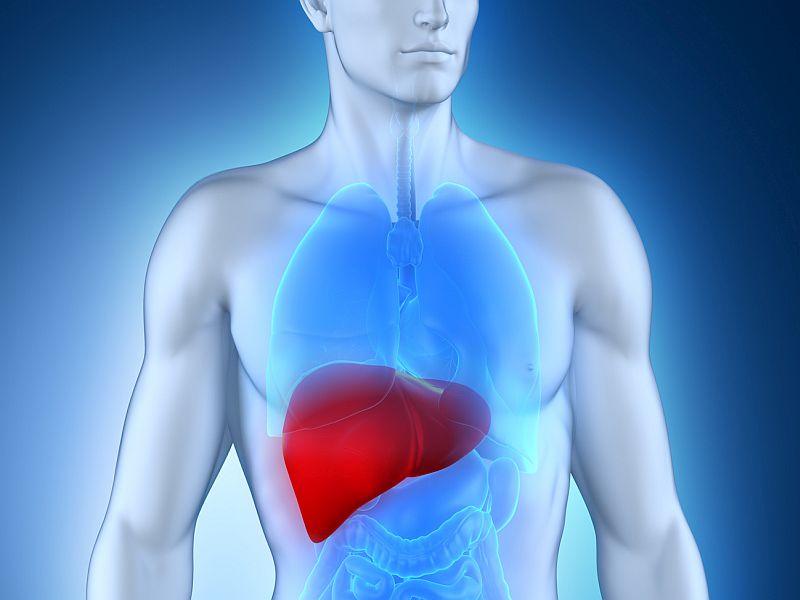
 Safe and effective for patients with prediabetes or type 2 diabetes and nonalcoholic steatohepatitis
TUESDAY, June 21, 2016 (HealthDay News) — For patients with prediabetes or type 2 diabetes mellitus (T2DM) and nonalcoholic steatohepatitis (NASH), long-term pioglitazone is safe and effective, according to a study published online June 21 in the Annals of Internal Medicine.
Kenneth Cusi, M.D., from the University of Florida and Malcom Randall Veterans Affairs Medical Center in Gainesville, and colleagues conducted a randomized trial involving 101 patients with prediabetes or T2DM and biopsy-proven NASH. Participants were prescribed a hypocaloric diet and randomized to pioglitazone or placebo for 18 months, followed by an 18-month open-label pioglitazone treatment phase.
The researchers found that 58 percent of patients randomized to pioglitazone achieved the primary outcome of a reduction of at least 2 points in the nonalcoholic fatty liver disease activity score, without worsening of fibrosis, and 51 percent had NASH resolution (both P < 0.001). Pioglitazone treatment correlated with improved histologic scores; reduced hepatic triglyceride content; and improved adipose tissue, hepatic, and muscle insulin sensitivity (P < 0.001 versus placebo). Over 36 months of therapy, all 18-month metabolic and histologic improvements persisted.
“These results suggest that NASH progression may be halted and the natural history of the disease may be modified with the use of pioglitazone in patients with prediabetes or T2DM,” the authors write.
One author disclosed financial ties to pharmaceutical companies, including Takeda, which provided the pioglitazone and placebo tablets for the study.
Full Text (subscription or payment may be required)
Editorial (subscription or payment may be required)
.jpg) Pregnancy Complications Linked to Subsequent Risk for Cardiometabolic-Renal Conditions
Pregnancy Complications Linked to Subsequent Risk for Cardiometabolic-Renal Conditions  GLP-1 Receptor Agonists, SGLT-2is Slow Renal Function Decline in T2D With Albuminuria
  Steatotic Liver Disease Risk Scores Compared for Predicting Cirrhosis
  Cirrhosis Can Recur After Liver Transplant
  Genetics, Diabetes Tied to MASLD-Associated Cirrhosis Before Age 50
  Increase Seen in Rates of Xenobiotic-Induced Liver Injury From 2020 to 2024
  Link Between Liver Fibrosis in MASLD, ASCVD Varies by Glycemic Status


.jpg)

