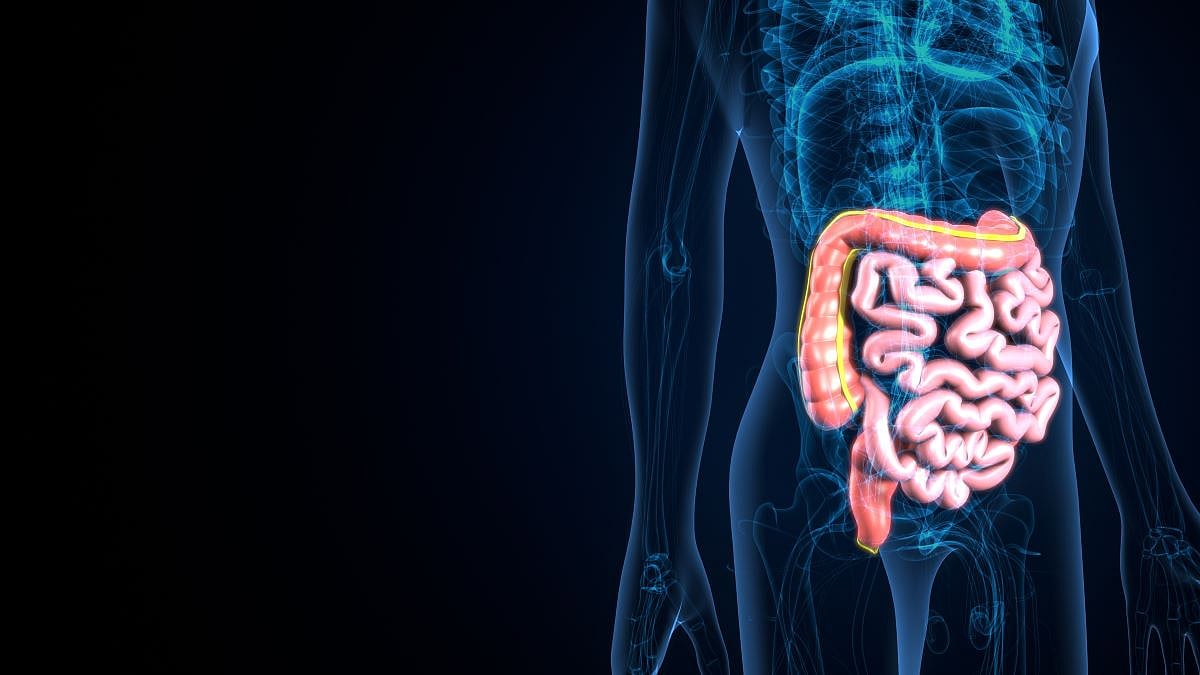
Classically non-enteric pathogens identified in gut microbiome, challenging origin of these infections
FRIDAY, Oct. 19, 2018 (HealthDay News) — A streamlined bioinformatics tool can match bloodstream pathogens to a candidate source, according to a study published online Oct. 15 in Nature Medicine.
Fiona B. Tamburini, from Stanford University in California, and colleagues developed and applied a streamlined bioinformatics tool to match bloodstream pathogens to a candidate source. The approach was then leveraged to interrogate the gut microbiome as a potential source of bloodstream pathogens among hematopoietic cell transplantation recipients.
The researchers found that patients with Escherichia coli and Klebsiella pneumoniae bloodstream infections had concomitant gut colonization with these organisms, indicating the gut as a potential source of these infections. In some cases, classically non-enteric pathogens, including Pseudomonas aeruginosa and Staphylococcus epidermidis, were found in the gut microbiome, challenging the idea that these infections originate from environmental or skin sources.
“Identifying the origins of bloodstream infections may influence how hospitals and health care providers can most effectively work to prevent infection,” the authors write. “With these powerful genomic tools, we anticipate that precision source identification and strain tracking will lead us to a new, sharpened model of infectious disease.”
Abstract/Full Text (subscription or payment may be required)
 Distinct Skin Microbiome Features Emerge Before Atopic Disease Onset in Infants
  H. Pylori Exposure May Contribute to Global Burden of Colorectal Cancer
  About 1 in 20 Hospitalized U.S. Adults With Firearm Injuries Develop Bacterial Infections
  Freshwater Swimming Tied to Stomach Bugs, Skin Conditions
  Considerable Global Disparities Found in Access to Dermatological Care
  Extreme Heat Linked to 33 Clinically Reportable Diagnoses
  Early-Life PFAS Exposure Tied to Intestinal Inflammation in Childhood
  High Levels of Light Exposure Linked to Lower Dementia Risk