Guideline addresses use of quantitative image analysis to interpret HER2 immunohistochemistry
FRIDAY, Feb. 1, 2019 (HealthDay News) — Recommendations have been developed to improve accuracy, precision, and reproducibility in the interpretation of human epidermal growth factor receptor 2 (HER2) immunohistochemistry (IHC) results for breast cancer with use of quantitative image analysis (QIA); the guideline was published online Jan. 15 in the Archives of Pathology & Laboratory Medicine.
Marilyn M. Bui, M.D., Ph.D., from the H. Lee Moffitt Cancer Center in Tampa, Florida, and colleagues developed evidence-based recommendations for the use of QIA in the interpretation of HER2 IHC for breast cancer. The recommendations were developed by a panel of pathologists, histotechnologists, and computer scientists after a systematic review of the literature.
The researchers drafted 11 recommendations: seven based on the College of American Pathologists laboratory accreditation requirements and four based on expert consensus opinions. One hundred eighty comments were received from more than 150 participants during a three-week open comment period. The recommendations include validation of QIA results for clinical use by comparing them to an alternative, validated method and ensuring results produced by a QIA system are reproducible within and between different batch analyses and between operators. Performance of QIA systems should be monitored and documented. Results obtained by QIA should be documented in the pathology report, and personnel involved in the process should be specially trained in use of the technology.
“The recommendations will aid laboratories to ensure that diagnoses are accurate and consistent, which is essential to each patient’s prognosis and treatment planning,” Bui said in a statement.
Several authors disclosed financial ties to the pharmaceutical and medical device industries.
 Exercise Intervention Linked to Improved Attention, Memory in Breast Cancer
  Dense Breast Notification Linked to Increase in Use of Supplemental Ultrasound
  Mammography Trials Yield Excess-Incidence Patterns Consistent With Low Overdiagnosis
  Lower Breast, Cervical Cancer Screening Seen for Adults With Disabilities
  Surveillance Colonoscopy at Five Years After Adenoma Removal Noninferior to Three Years
  Family History of CRC Increases CRC Risk Similarly in IBD, General Population
 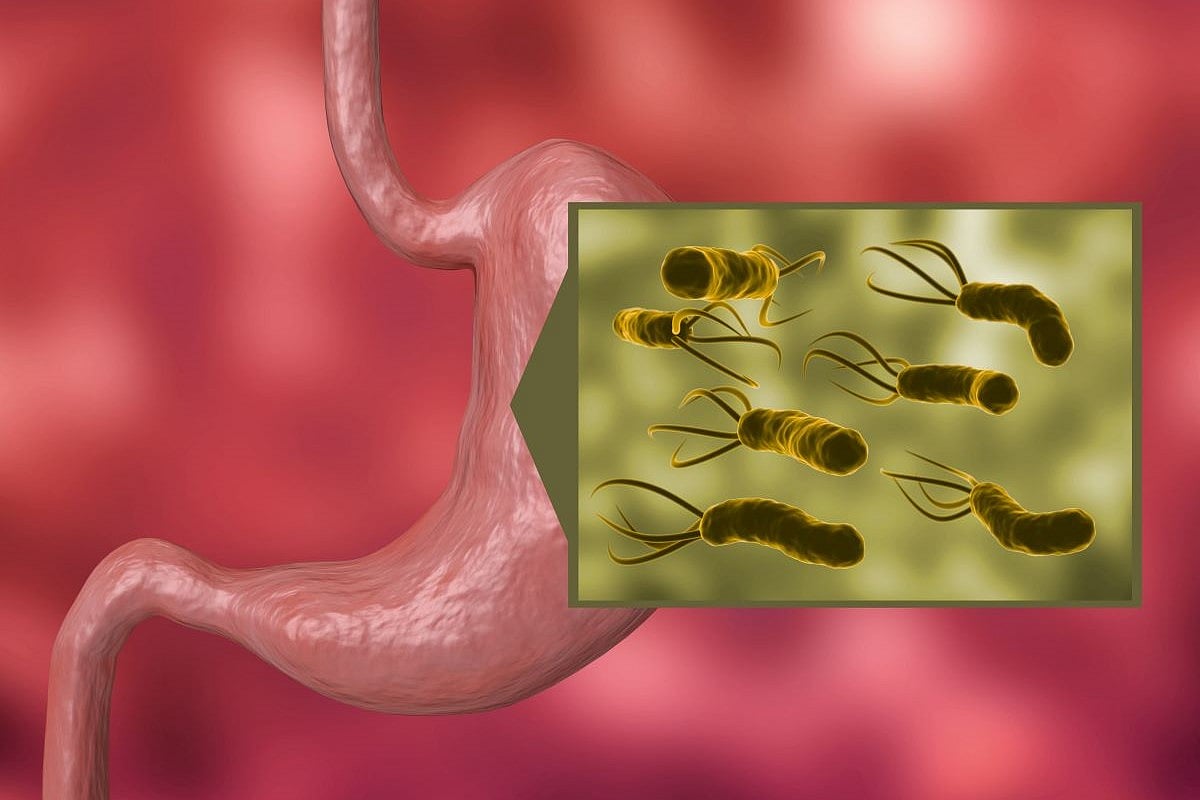 H. Pylori Exposure May Contribute to Global Burden of Colorectal Cancer
  Alcohol-Attributable Cancer Mortality Has Increased Significantly in the U.S.
 .jpg)