
Improvements seen in glycemic, blood pressure, lipid control within the population partly explain decrease in albuminuria
TUESDAY, Jan. 12, 2021 (HealthDay News) — From 1988 to 2018, there were reductions seen in the prevalence of albuminuria and improvements in glycemic, blood pressure, and lipid control among adults with newly diagnosed type 2 diabetes, according to a study published online Jan. 8 in Diabetes Care.
Michael Fang, Ph.D., and Elizabeth Selvin, M.P.H., Ph.D., from the Johns Hopkins Bloomberg School of Public Health in Baltimore, examined the prevalence of and trends in complications among 1,486 adults with newly diagnosed diabetes (diagnosed within the past two years) from the 1988 to 1994 and 1999 to 2018 National Health and Nutrition Examination Surveys. Trends in albuminuria, reduced estimated glomerular filtration rate (eGFR), retinopathy, and self-reported cardiovascular disease were estimated.
The researchers found a significant decrease in the prevalence of albuminuria from 1988-1994 to 2011-2018 (38.9 to 18.7 percent), but there were no significant changes in the prevalence of reduced eGFR, retinopathy, or self-reported cardiovascular disease. Within the population, there were improvements in glycemic, blood pressure, and lipid control, partly explaining the decrease in albuminuria. At the time of diabetes diagnosis, complications were more common for older, lower-income, less-educated, and obese adults.
“These results suggest that there have been improvements in diabetes screening and that we are diagnosing cases earlier in the disease process,” the authors write. “Nevertheless, the overall burden of complications and uncontrolled risk factors remains high.”
Abstract/Full Text (subscription or payment may be required)
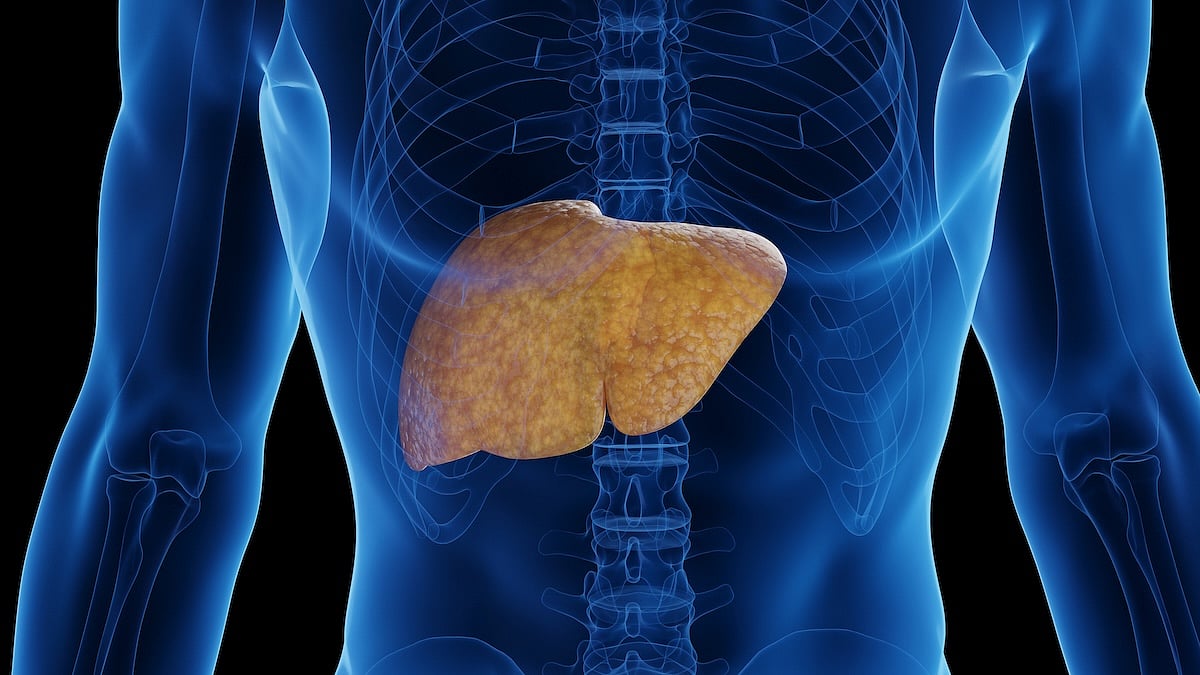 Genetics, Diabetes Tied to MASLD-Associated Cirrhosis Before Age 50
  Study IDs Risk Factors for Ketoacidosis in Adults With T2D Receiving SGLT2 Inhibitors
  Long-Term Medication Adherence Tied to Lower Cardiovascular Event Rate in Type 2 Diabetes
  Add-On Tirzepatide May Reduce MACE Risk in People With T2D, ASCVD
  Report Highlights Substance Use in Young Adults in U.S. in 2025
  Considerable Gaps Identified in LDL Cholesterol Control
 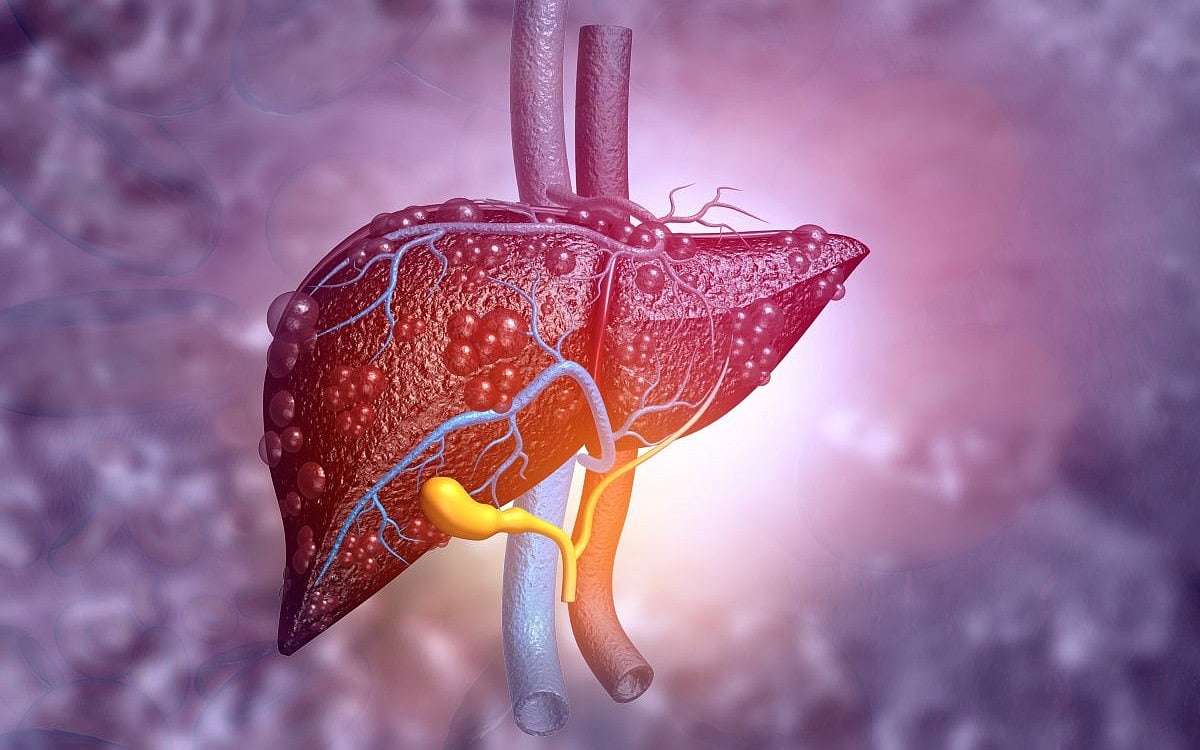 Link Between Liver Fibrosis in MASLD, ASCVD Varies by Glycemic Status
 .jpg) Semaglutide Not Linked to Higher Neovascular Age-Related Macular Degeneration Risk
Semaglutide Not Linked to Higher Neovascular Age-Related Macular Degeneration Risk 
.jpg)