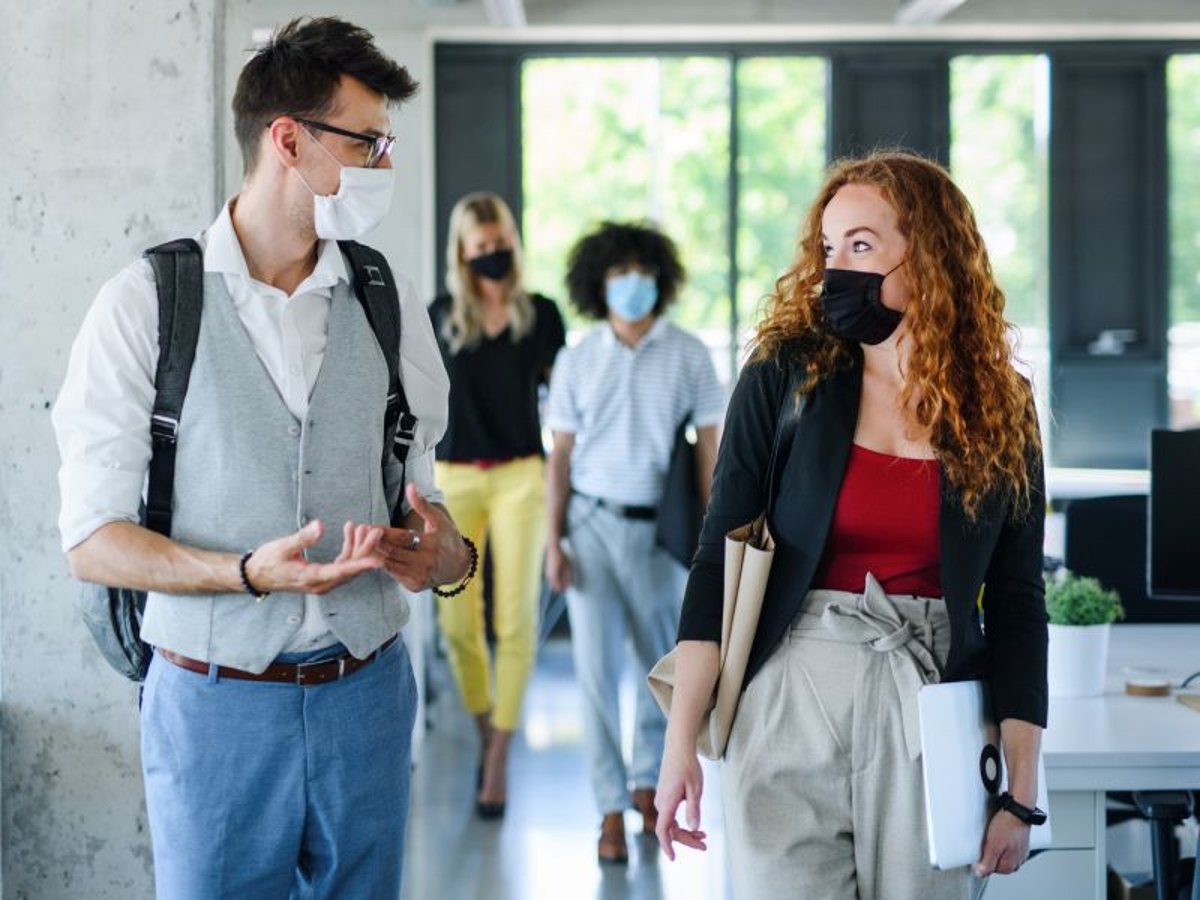
Colleges rapidly reduced the number of new infections, but many failed to control the spread beyond the campus
THURSDAY, Jan. 14, 2021 (HealthDay News) — College campuses are at risk for developing extreme incidence of COVID-19, which can spread beyond their campus, according to a study published online Jan. 13 in Computer Methods in Biomechanics and Biomedical Engineering.
Hannah Lu, from Stanford University in California, and colleagues integrated a classical mathematical epidemiology model and Bayesian learning to examine the dynamic reproduction number for 30 colleges from their daily case reports.
The researchers found that 14 of the 30 institutions displayed a spike of infections within the first two weeks of class; peak seven-day incidences were well above 1,000 per 100,000, which was an order of magnitude larger than the nationwide peaks of 70 and 150 during the first and second pandemic waves, respectively. Many colleges failed to control the spread of the virus beyond their own campuses, although most were able to rapidly reduce the number of new infections. Seventeen campus outbreaks translated directly into peaks of infection within their home counties within only two weeks.
“Our findings suggest that college campuses present a risk to initiate superspreading events, but, at the same time, should be applauded for their rapid responses to successfully manage local outbreaks,” the authors write.
 Socioeconomic Status Linked to Mortality After Acute Hip Fracture Surgery
  Childhood-Onset Epilepsy Tied to Lower Rate of Educational Attainment
  Non-U.S.-Born Physicians Make Up Nearly Half of Internal Medicine Workforce
  Patient Education Increases Skin Cancer Screening in Stem Cell Transplant Survivors
  Biomarkers Plus Kidney Donor Profile Index Improve Prediction of Concordant Allograft Outcomes
  Genomic Newborn Screening Could ID Cancer Predisposition Syndrome
  Female Emergency Medicine Physicians Order More Tests, Admit More Patients
  1 in 3 Women and 1 in 4 Men Engage in Intentional Outdoor Tanning