 Tumors from black women with invasive breast cancer have higher expression of the insulin receptor
MONDAY, June 1, 2020 (HealthDay News) — Insulin resistance is one factor mediating part of the association between race and poor prognosis in breast cancer, according to a study published online May 12 in Breast Cancer Research.
Emily J. Gallagher, M.D., from the Icahn School of Medicine at Mount Sinai in New York City, and colleagues evaluated whether insulin resistance mediates in part the association between race and breast cancer prognosis and if insulin receptor (IR) and insulin-like growth factor receptor (IGF-1R) expression differs between tumors from black and white women. The analysis included 515 women (83 percent white; 17 percent black) with newly diagnosed invasive breast cancer seen at 10 hospitals.
The researchers found that metabolic syndrome was more prevalent in black women than in white women (40 versus 20 percent), and the homeostatic model assessment of insulin resistance (HOMA-IR) was higher in black women than in white women. Additionally, poor breast cancer prognosis was more prevalent in black women than in white women (28 versus 15 percent). There was a positive association seen between the HOMA-IR and Nottingham Prognostic Index (NPI) score. When adjusting for age, the HOMA-IR significantly mediated the association between black race and poor prognosis. In tumors of black women, IR expression was higher than in those from white women (79 versus 52 percent), and a greater IR/IGF-1R ratio was also associated with a higher NPI score.
“Given that obesity and diabetes epidemics disproportionately affect minority populations, it is important to understand the relationship of hyperinsulinemia, insulin resistance, and increased IR signaling on the progression of breast cancer,” Gallagher said in a statement.
Several authors disclosed financial ties to the pharmaceutical industry.
 Dense Breast Notification Linked to Increase in Use of Supplemental Ultrasound
  Mammography Trials Yield Excess-Incidence Patterns Consistent With Low Overdiagnosis
  MHT Initiation May Reduce Cardiovascular Risk in Women With Vasomotor Symptoms
  Lower Breast, Cervical Cancer Screening Seen for Adults With Disabilities
  Surveillance Colonoscopy at Five Years After Adenoma Removal Noninferior to Three Years
  Family History of CRC Increases CRC Risk Similarly in IBD, General Population
 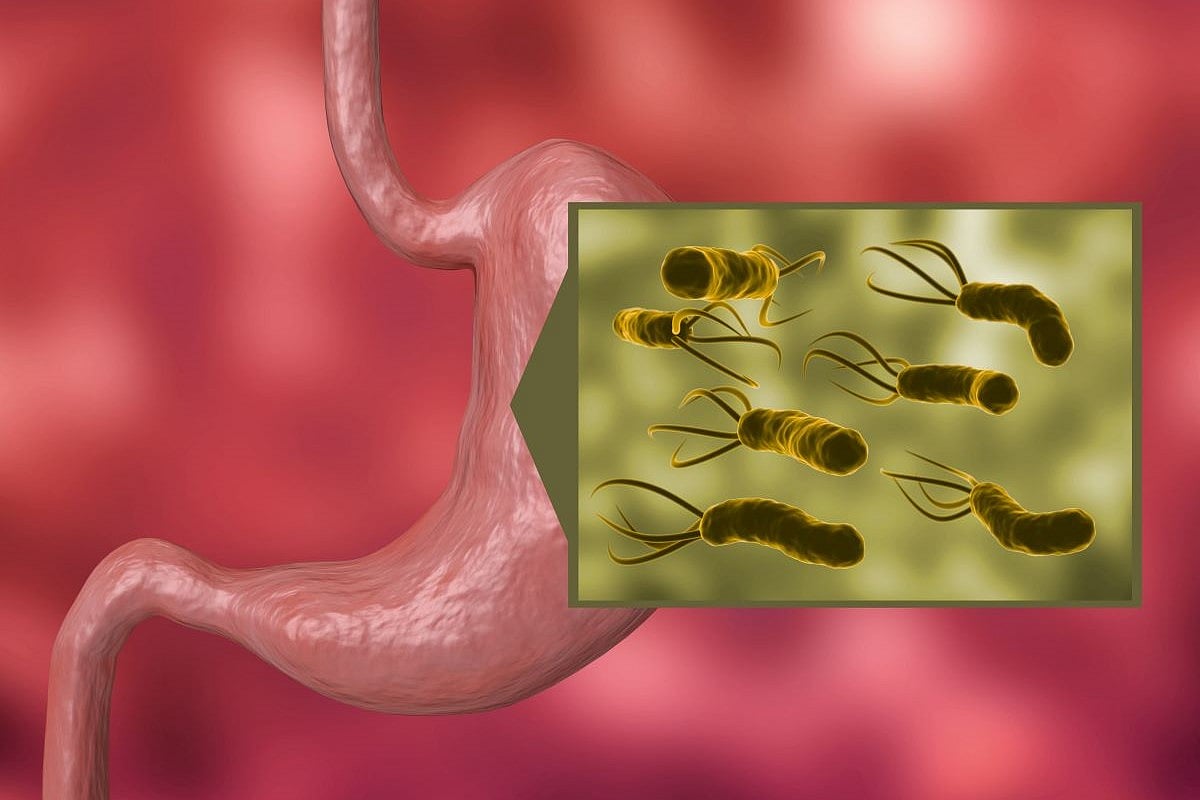 H. Pylori Exposure May Contribute to Global Burden of Colorectal Cancer
  Alcohol-Attributable Cancer Mortality Has Increased Significantly in the U.S.