 Chances of pregnancy no higher with frozen over fresh embryo transfer
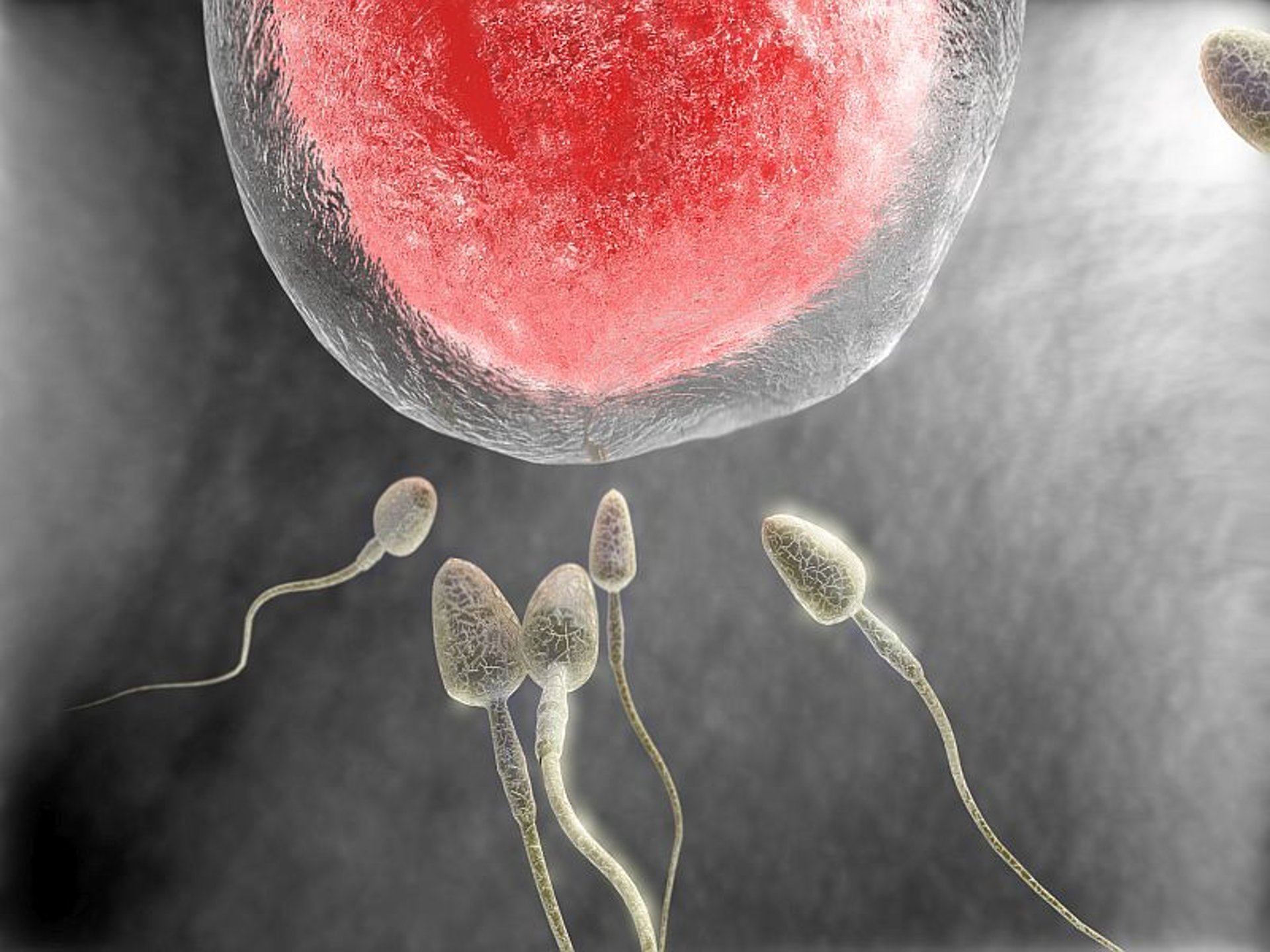
THURSDAY, Aug. 6, 2020 (HealthDay News) — Fresh embryo transfer should be the gold standard for assisted reproduction among women with no immediate risk for ovarian hyperstimulation syndrome, according to a study published online Aug. 5 in The BMJ.
Sacha Stormlund, M.D., Ph.D., from Hvidovre University Hospital in Copenhagen, Denmark, and colleagues compared the ongoing pregnancy rate between women randomly assigned to assisted reproductive technology treatment with a freeze-all strategy with gonadotropin releasing hormone agonist triggering or a fresh transfer strategy with human chorionic gonadotropin triggering. The 460 women (aged 18 to 39 years) had regular menstrual cycles and were treated at one of eight outpatient fertility clinics in Denmark, Sweden, and Spain.
The researchers found that the ongoing pregnancy rate did not differ significantly between the freeze-all and fresh transfer groups (27.8 versus 29.6 percent; risk ratio, 0.98; 95 percent confidence interval, 0.87 to 1.10; P = 0.76). There were also no significant differences between the groups for the live birth rate (risk ratio, 0.98; 95 percent confidence interval, 0.87 to 1.10; P = 0.83). Further, there were no significant differences noted between groups for positive human chorionic gonadotropin rate or pregnancy loss, and there were no risks for pregnancy-related, obstetric, or neonatal complications. However, there was a higher mean birth weight after frozen blastocyst transfer and an increased risk for prematurity after fresh blastocyst transfer. Lastly, time to pregnancy was longer in the freeze-all group.
“The findings warrant caution in applying a freeze-all strategy in the broad in vitro fertilization population when no apparent risk of ovarian hyperstimulation syndrome is present,” the authors write.
Several authors disclosed financial ties to the pharmaceutical industry.
 Effect of Preparation Techniques Before Embryo Transfer Appears to Be Limited
  Childhood Body Size Linked to Subsequent Reproductive Outcomes
  Primary Infertility Linked to Earlier Menopause
  Substantial Uptick Seen in Private Equity-Affiliated Fertility Clinics Since 2013
  Fertility Treatment at Older Ages Unlikely to Succeed With Patients" Eggs
  Wildfire Smoke Exposure Tied to Reduced Sperm Quality
  Few Women Return to Use Frozen Eggs
  Poverty, Social Disadvantage Linked to Lower Fecundability