 Risk higher for those with recent-onset T2DM and weight loss of 1 to 8 pounds, more than 8 pounds
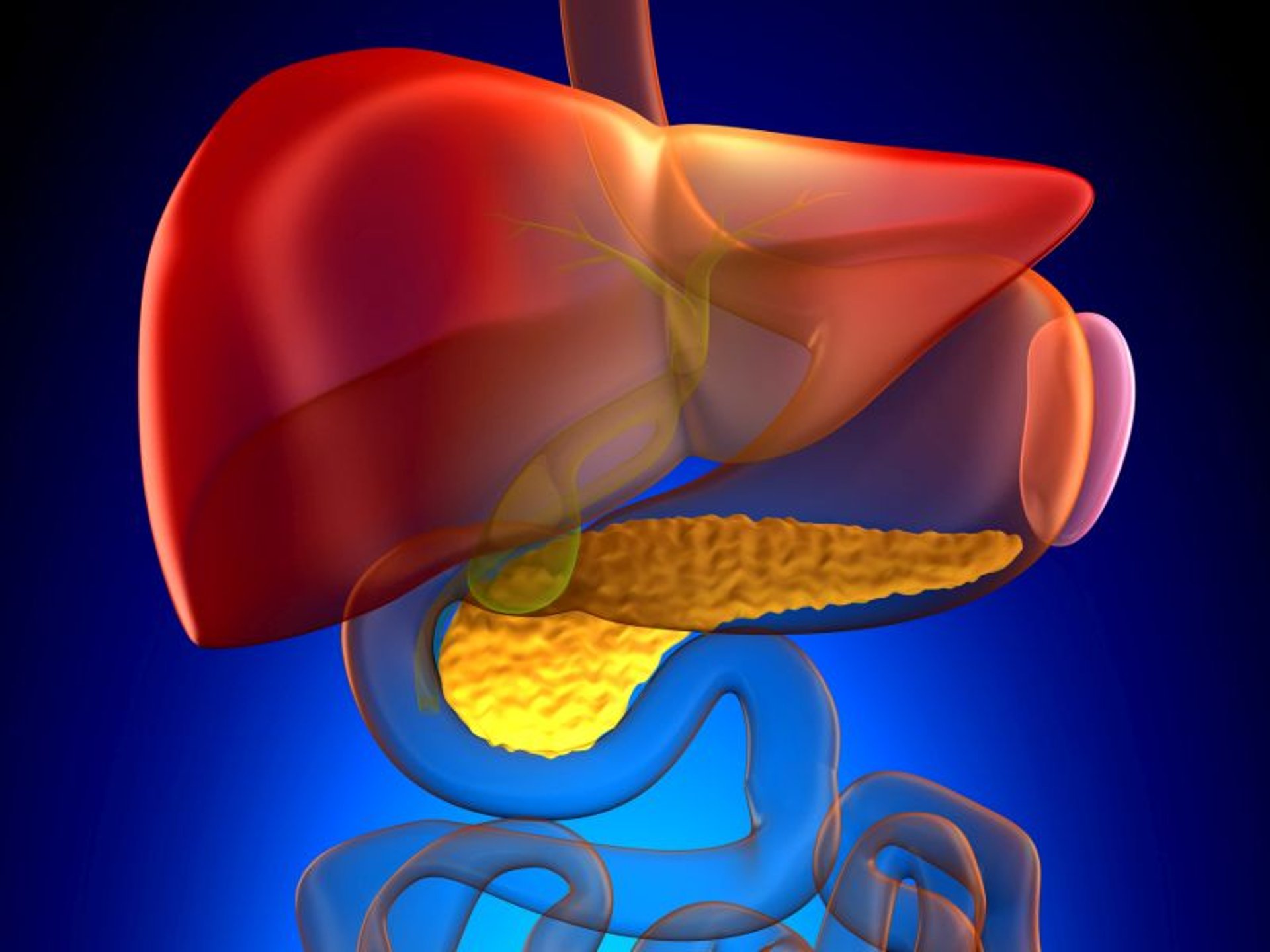
TUESDAY, Aug. 18, 2020 (HealthDay News) — Recent-onset diabetes accompanied by weight loss is associated with a substantially increased risk for developing pancreatic cancer, according to a study published online Aug. 13 in JAMA Oncology.
Chen Yuan, Sc.D., from Dana-Farber Cancer Institute in Boston, and colleagues used data from 112,818 women participating in the Nurses’ Health Study and 46,207 men participating in the Health Professionals Follow-Up Study to evaluate the association of diabetes duration and recent weight change with the subsequent risk for pancreatic cancer.
The researchers identified 1,116 incident cases of pancreatic cancer. Participants with recent-onset diabetes had a higher age-adjusted risk for pancreatic cancer (hazard ratio [HR], 2.97), as did those with long-standing diabetes (HR, 2.16), compared with participants without diabetes. Participants who reported 1 to 4 pounds of weight loss had a higher age-adjusted risk for pancreatic cancer (HR, 1.25), as did those with 5 to 8 pounds of weight loss (HR, 1.33) and those with more than an 8-pound weight loss (HR, 1.92) compared with those with no weight loss. Participants with recent-onset diabetes plus weight loss of 1 to 8 pounds had still higher risk (HR, 3.61), as did those with more than 8 pounds of weight loss (HR, 6.75) compared with those with neither exposure.
“Individuals with recent-onset diabetes accompanied by weight loss have a high risk for developing pancreatic cancer and may be a group for whom early detection strategies would be advantageous,” the authors write.
Several authors disclosed financial ties to the pharmaceutical industry.
Abstract/Full Text (subscription or payment may be required)
 GLP-1 Receptor Agonists, SGLT-2is Slow Renal Function Decline in T2D With Albuminuria
 .jpg) Composite Biomarker Helps ID Early-Stage Pancreatic Ductal Adenocarcinoma
Composite Biomarker Helps ID Early-Stage Pancreatic Ductal Adenocarcinoma  Genetics, Diabetes Tied to MASLD-Associated Cirrhosis Before Age 50
  Study IDs Risk Factors for Ketoacidosis in Adults With T2D Receiving SGLT2 Inhibitors
  Polypharmacy of Prescription Medications Increased for U.S. Older Adults
  Low Hydroxychloroquine Intake, Blood Levels Linked to ASCVD Risk in Lupus
  Blinatumomab Improves Event-Free Survival in Children With High-Risk B-Cell ALL
  Anifrolumab Tied to Lower Hospitalization, Infection Risk in Lupus
.jpg)