


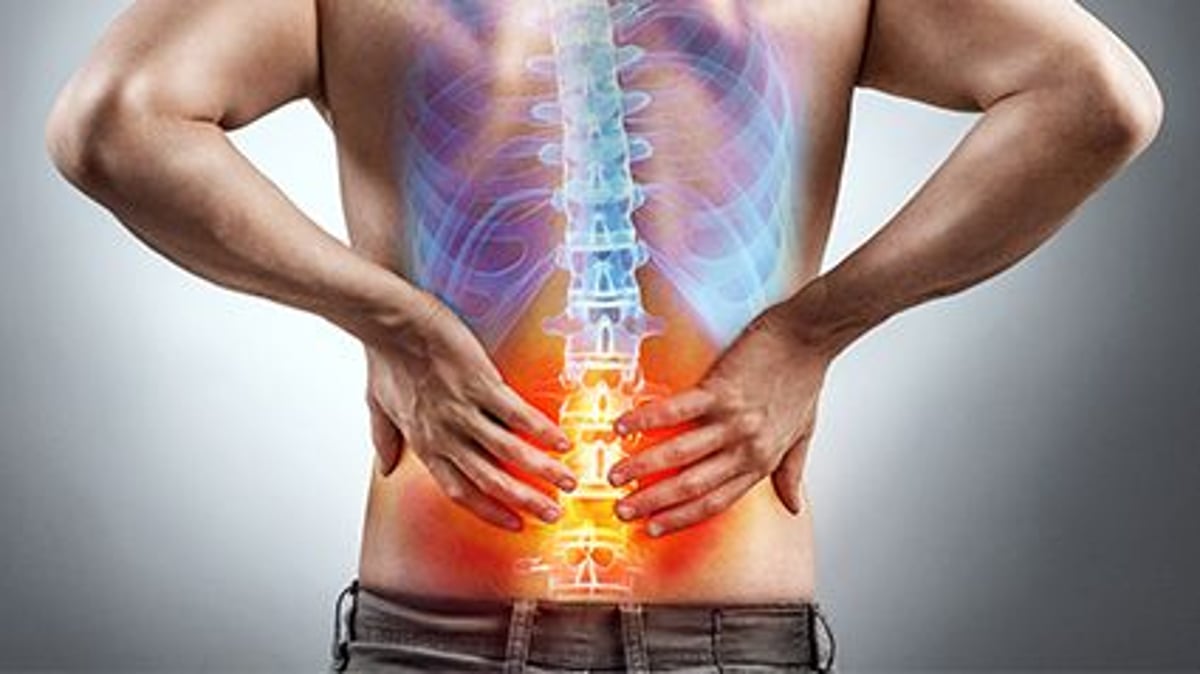
However, baseline coping strategies may impact electroacupuncture response
MONDAY, Nov. 2, 2020 (HealthDay News) — Certain patient factors may affect the clinical response to electroacupuncture treatment for low back pain, according to a study published online Oct. 27 in JAMA Network Open.
Jiang-Ti Kong, M.D., from the Stanford University School of Medicine in Palo Alto, California, and colleagues evaluated the effect of real electroacupuncture (59 patients) versus placebo (62 patients) on pain and disability among randomly assigned adults with chronic low back pain for at least six months.
The researchers found that after adjusting for baseline pain scores, there was no statistically significant difference observed between groups for change in National Institutes of Health PROMIS T-scores two weeks after completion of treatment. There was a significantly greater reduction noted in Roland Morris Disability Questionnaire (RMDQ) scores in the real electroacupuncture group versus the sham electroacupuncture group after adjusting for baseline RMDQ score. Effective coping at baseline was associated with greater RMDQ score reduction, while White race was associated with worse PROMIS and RMDQ scores — both within the real electroacupuncture group.
“If validated, these findings may help match people to treatment,” the authors write. “For example, low scores on the coping strategies questionnaire could identify individuals who may need psychological intervention alone or as an augmentation to electroacupuncture.”
 Press-Needle Therapy Shows Potential for Pediatric Allergic Rhinitis
  Swimming Program May Provide Short-Term Relief From Chronic Low Back Pain
  Acupuncture Alleviates Neurological Impairment After Stroke
  Electroacupuncture Accelerates Postprostatectomy Urinary Continence Recovery
  Urine Cell-Free RNA Shows Promise as Biomarker for Bladder Cancer
  Pre-Prostate Biopsy MRI Use Increased From 2017 to 2026
 .jpeg) Higher Intake of Saturated, Animal Fats May Increase Mortality in Prostate Cancer
Higher Intake of Saturated, Animal Fats May Increase Mortality in Prostate Cancer  Adverse Pathological Features Do Not Predict Benefit of Hormone Therapy in Prostate Cancer


.jpg)

