Benefits seen by eight weeks, but not sustained at 52 weeks
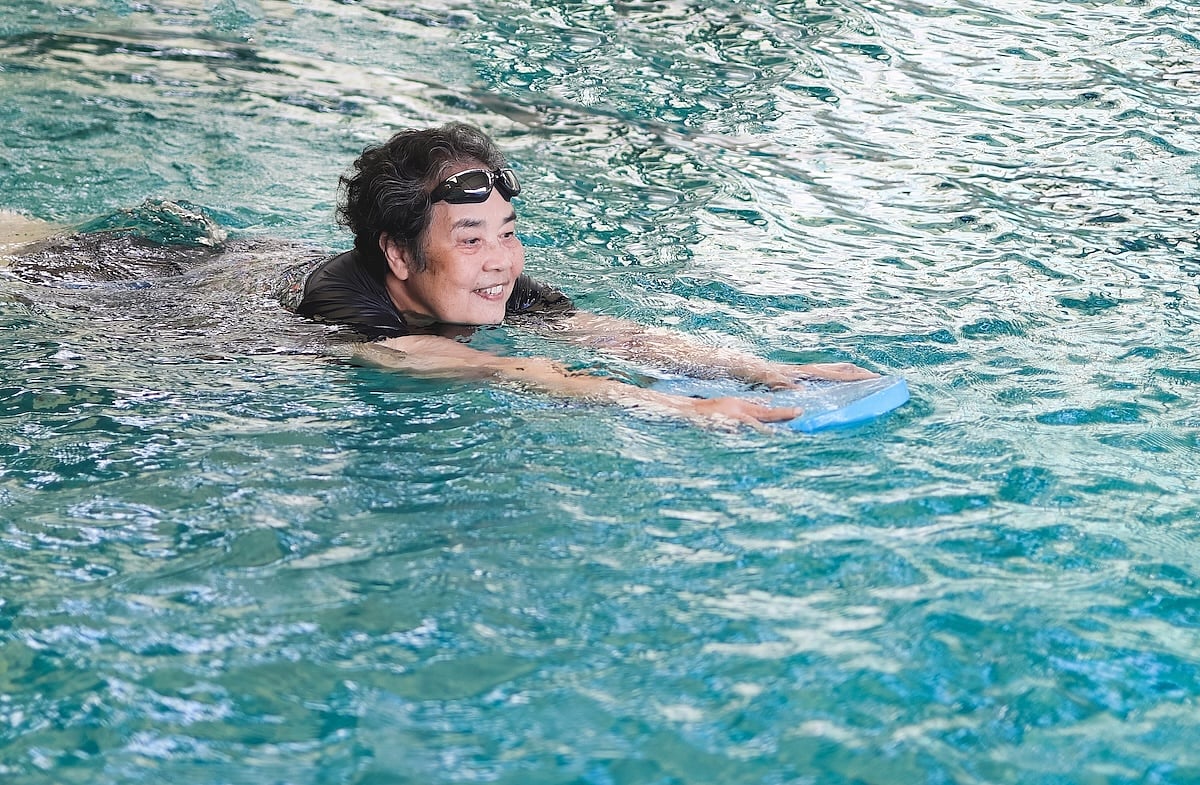
WEDNESDAY, July 29, 2026 (HealthDay News) — A swimming and education program may provide short-term improvement of chronic low back pain, according to a study published online July 21 in the British Journal of Sports Medicine.
Deborah M. Wareham, from Macquarie University in Sydney, and colleagues assessed the effectiveness of a swimming and education program versus education alone for patients with chronic low back pain. The analysis included 76 participants randomly assigned to swimming or control.
The researchers found that swimming and education together were more effective than education alone for disability at eight weeks (Roland Morris Disability Questionnaire mean difference [MD], −2.5; 95 percent confidence interval [CI], −4.5 to −0.5). However, this between-group difference was not sustained at 52 weeks. The intervention showed a small benefit at eight weeks for pain intensity that may not be clinically significant (MD, −0.7; 95 percent CI, −1.5 to 0.0). There was a pattern of early improvement across other secondary outcomes (patient-specific functional limitation, pain self-efficacy, fear of movement, patient-perceived global improvement) in the intervention group, which typically reduced over time. There were more adverse events in the intervention group, although almost all were not serious.
“Importantly, participants told us swimming built their confidence to start exercising and engage with other meaningful physical activities — some continued to swim after the program, while others transitioned to other forms of exercise,” senior author Mark Hancock, Ph.D., also from Macquarie University, said in a statement. “Now we have the evidence to support the recommendation — swimming is a suitable exercise for people with back pain, and it helps.”
Two authors disclosed financial ties to the biopharmaceutical industry.
 Air Pollution Does Not Impair Benefits of Walking in Reducing COPD Exacerbation Rate
  Physical Activity Linked to Slower Cognitive, Motor Progression in Parkinson Disease
  Exercise Intervention Linked to Improved Attention, Memory in Breast Cancer
  Isometric Exercise Training Three Times a Week Preserves Cardiovascular Benefits
  Exercise-Based Cardiac Rehab Beneficial for Coronary Heart Disease
  Strength Training Not Tied to Ventricular Arrhythmia in Those With Arrhythmogenic Cardiomyopathy
  Eating More Whole Grains Daily Linked to Cardiometabolic Benefits
  Combo of Step Count and Step Pace Tied to Lower Risk for Early Death


.jpg)