High physical activity level (7.5 to <15 MET hours/week) linked to lower risks for all-cause mortality, ESRD, MACE
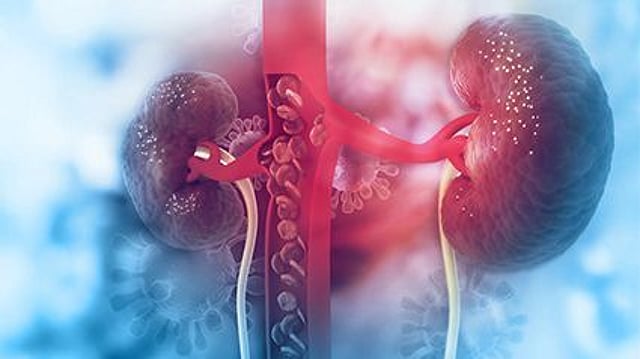
THURSDAY, March 11, 2021 (HealthDay News) — For individuals with chronic kidney disease (CKD), physical activity of 7.5 to <15 metabolic equivalent (MET) hours per week is associated with a reduction in adverse cardiorenal outcomes, according to a study published online March 10 in the European Journal of Preventive Cardiology.
Chou-Pin Kuo, from Taipei Veterans General Hospital in Taiwan, and colleagues examined the dose-response effects of physical activity on mortality and major cardiorenal events in a longitudinal cohort of 4,508 Taiwanese CKD patients between 2004 and 2017. Participants were classified into highly active (≥7.5 MET hours per week), low-active (0.1 to <7.5 MET hours/week), or inactive (0 MET hours/week) groups.
The researchers identified 739 deaths, 1,059 end-stage renal disease (ESRD) events, and 521 major adverse cardiovascular events (MACE) during a median follow-up of 686 days. For all study outcomes, the highly active group had the lowest chance, followed by the low-active and inactive groups. Compared with the inactive group, only the highly active group was independently associated with lower risks for all-cause mortality, ESRD, and MACE (hazard ratios, 0.62, 0.83, and 0.63, respectively). There was no further decrease noted in the risks for MACE once physical activity exceeded 15 MET hours/week, suggesting a U-shaped association. In a subgroup analysis and sensitivity analyses, the results were consistent.
“Our results suggest that physical activity should be integrated into the clinical care of patients with kidney disease,” a coauthor said in a statement.
 Structured Exercise Should Be Considered as Adjunct Therapy for Cancer
  Strength Training Not Tied to Ventricular Arrhythmia in Those With Arrhythmogenic Cardiomyopathy
 .jpg) Recommendations Updated for Management of Anemia in CKD
Recommendations Updated for Management of Anemia in CKD  Combo of Step Count and Step Pace Tied to Lower Risk for Early Death
  Aerobic Training, Behavioral Interventions Both Clinically Improve Asthma Control
  Smartwatches Significantly Overestimate How Many Calories Are Burned
  Aircrew Face Higher Odds of Radiation-Related Cancer Deaths
  Stair Climbing Associated With Reduction in Cardiovascular, All-Cause Mortality