


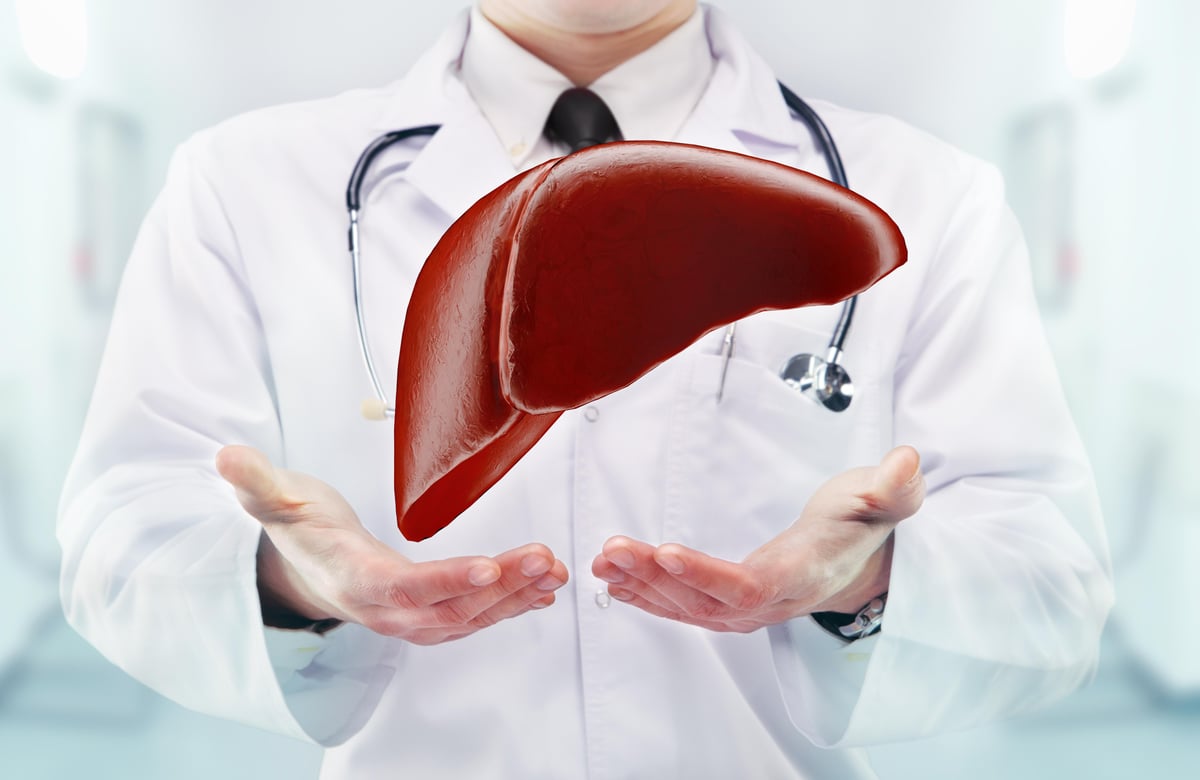
NAFLD, atherosclerotic cardiovascular disease (ASCVD) have common risk factors; NAFLD can be considered a risk enhancer for ASCVD
THURSDAY, April 14, 2022 (HealthDay News) — More than one in four adults worldwide are thought to have nonalcoholic fatty liver disease (NAFLD), which is often undiagnosed, according to a scientific statement issued by the American Heart Association and published online April 14 in the Atherosclerosis, Thrombosis, and Vascular Biology.
P. Barton Duell, M.D., from the Oregon Health & Science University in Portland, and colleagues reviewed the underlying risk factors and pathophysiology of NAFLD and its associations with atherosclerotic cardiovascular disease (ASCVD).
The authors note that NAFLD occurs in more than 25 percent of individuals worldwide, with rates increasing in association with obesity and metabolic syndrome. Most patients with NAFLD are undiagnosed; due to poor sensitivity and specificity, measurements of aspartate aminotransferase and alanine aminotransferase are not useful for diagnosing NAFLD. Liver biopsy is the gold standard for diagnosis, but it is expensive and has an increased risk for complications. It is difficult to identify those patients with hepatic steatosis who will progress to develop nonalcoholic steatohepatitis (NASH), cirrhosis, or hepatocellular carcinoma; imaging studies are essential for monitoring severity and progression of disease. Genetic factors modulate the risk for NAFLD development and NASH progression. NASH contributes to and is a marker for an increased risk for ASCVD; NAFLD and ASCVD have many common risk factors. When ASCVD risk is assessed, NAFLD can be considered a risk enhancer. For patients with NAFLD, lifestyle intervention is the key therapeutic intervention. Weight loss of 5 to 10 percent of body weight can reverse hepatic steatosis and stabilize or reduce NASH, but this goal can be difficult to achieve.
“The lack of awareness of the high prevalence of NAFLD contributes to underdiagnosis,” Duell said in a statement. “Individuals with risk factors for NAFLD warrant more careful screening.”
Two authors and one reviewer disclosed financial ties to the pharmaceutical industry.
 Steatotic Liver Disease Risk Scores Compared for Predicting Cirrhosis
  Cirrhosis Can Recur After Liver Transplant
  Increase Seen in Rates of Xenobiotic-Induced Liver Injury From 2020 to 2024
  Impact of Alcohol Intake on Fibrosis Risk Varies by Sex, Liver Disease
  Link Between Liver Fibrosis in MASLD, ASCVD Varies by Glycemic Status
  Higher Coffee Consumption Linked to Favorable Indicators of Liver Health
  Stepped Alcohol Treatment Via Telehealth Reduces Alcohol Use
  New Model Performs Well for Detecting Alcohol-Associated Liver Disease


.jpg)

