Findings seen versus nonsurgical care among individuals with severe obesity and nonalcoholic fatty liver disease
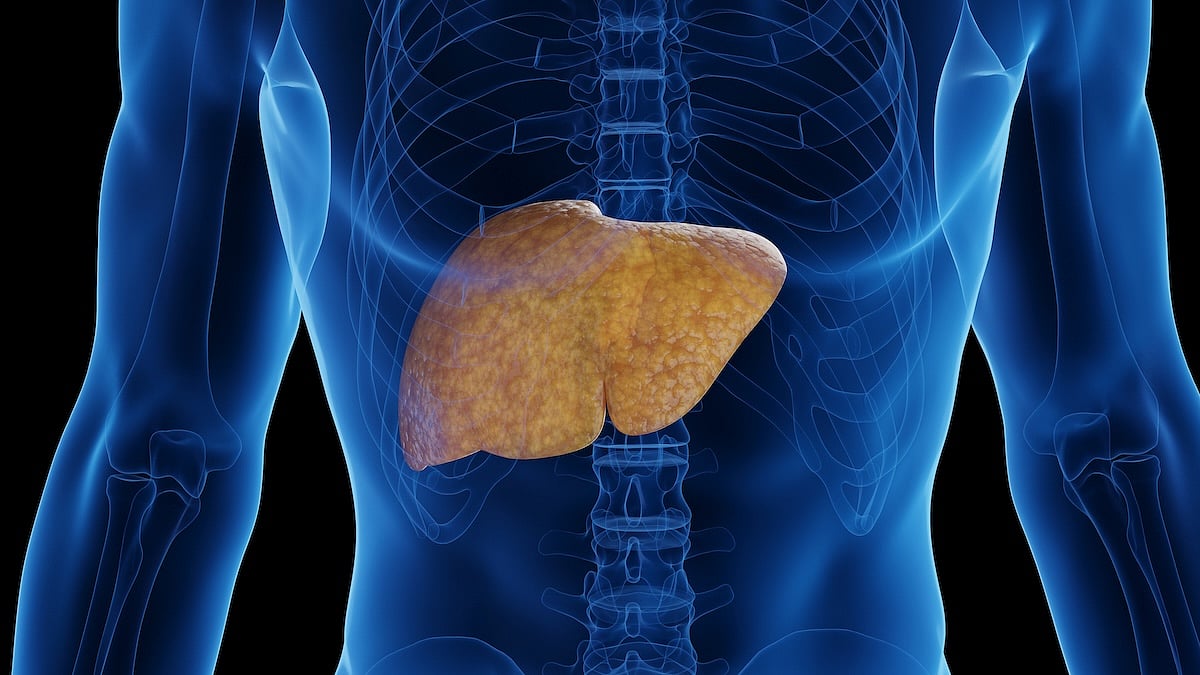
WEDNESDAY, Nov. 23, 2022 (HealthDay News) — Bariatric surgery is associated with a significant reduction in cardiovascular disease (CVD) risk among individuals with severe obesity and nonalcoholic fatty liver disease (NAFLD), according to a study published online Oct. 7 in JAMA Network Open.
Mohamed I. Elsaid, Ph.D., from The Ohio State University in Columbus, and colleagues examined the association between bariatric surgery and CVD risk in individuals with severe obesity and NAFLD. The analysis included 86,964 adults (aged 18 to 64 years) with NAFLD and severe obesity identified from the MarketScan Commercial Claims and Encounters database (2007 through 2017).
The researchers found that 34.8 percent underwent bariatric surgery and 65.2 percent received nonsurgical care. The surgical group had a lower incidence of CVD (incidence rate difference, 4.8 per 100 person-years). Bariatric surgery was associated with a lower risk for CVD at the end of the study (adjusted hazard ratio, 0.51) versus nonsurgical care. In individuals with surgery, there was lower risk for primary composite CVD outcomes (adjusted hazard ratio, 0.53) and risk for secondary composite CVD outcomes (adjusted hazard ratio, 0.50) versus individuals without surgery.
“Although bariatric surgery is a more aggressive approach than lifestyle modifications, it may be associated with other benefits, such as improved quality of life and decreased long-term health care burden,” the authors write.
 Calorie Restriction and Mediterranean-Style Diet Yield Similar Weight Loss
  Strength Training May Cut GDM Risk in Pregnant Women With Overweight, Obesity
  Most Metabolic and Bariatric Surgery Candidates Meet Criteria for Clinical Obesity
  Increase Seen in Rates of Xenobiotic-Induced Liver Injury From 2020 to 2024
  Impact of Alcohol Intake on Fibrosis Risk Varies by Sex, Liver Disease
  Link Between Liver Fibrosis in MASLD, ASCVD Varies by Glycemic Status
  Higher Coffee Consumption Linked to Favorable Indicators of Liver Health
  Stepped Alcohol Treatment Via Telehealth Reduces Alcohol Use