Clinical practice guidelines can help detect IBI in infants aged 8 to 60 days with high sensitivity but low specificity
FRIDAY, Dec. 30, 2022 (HealthDay News) — The American Academy of Pediatrics (AAP) clinical practice guideline (CPG) for management of well-appearing, febrile infants can help detect invasive bacterial infections (IBI) without using C-reactive protein (CRP) and procalcitonin (PCT) with high sensitivity but low specificity, according to a study published online Dec. 9 in Pediatrics.
Tran H. P. Nguyen, M.D., from Kaiser Permanente Northern California in Roseville, and colleagues conducted a retrospective cohort study of infants aged 8 to 60 days presenting at emergency departments between 2010 and 2019 with temperatures ≥38 degrees Celsius who met the inclusion criteria for the AAP CPG. The infants underwent complete blood counts, blood cultures, and urinalysis.
The researchers identified 57 bacteremia and nine bacterial meningitis cases among 1,433 eligible infants (4.0 and 0.6 percent, respectively). Three infants (5 percent) with IBI were misidentified using absolute neutrophil count >5,200/mm3 and temperature >38.5 degrees Celsius as inflammatory markers. For each age group, the sensitivities and specificities for detecting infants with IBIs were 100 and 0 percent, respectively, for 8 to 21 days; 88.9 and 40.4 percent, respectively, for 22 to 28 days; and 93.3 and 32.1 percent, respectively, for 29 to 60 days. For infants aged 8 to 21, 22 to 28, and 29 to 60 days, invasive interventions were recommended for 100, 58 to 100, and 0 to 69 percent, respectively.
“Compared with some other protocols not utilizing CRP and PCT, the AAP CPG may recommend more invasive interventions while detecting IBI with similar sensitivity,” the authors write. “Further studies may inform best practices to reduce unnecessary interventions.”
Abstract/Full Text (subscription or payment may be required)
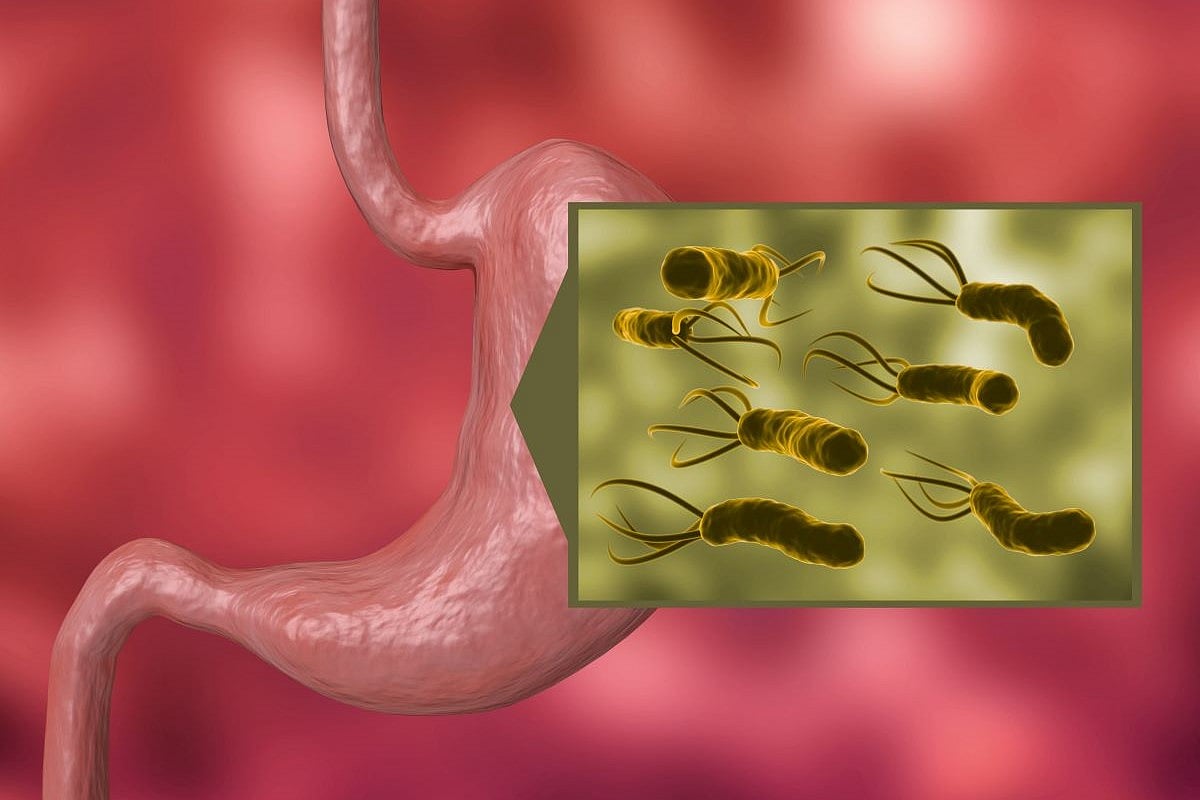 H. Pylori Exposure May Contribute to Global Burden of Colorectal Cancer
  Distinct Skin Microbiome Features Emerge Before Atopic Disease Onset in Infants
  About 1 in 20 Hospitalized U.S. Adults With Firearm Injuries Develop Bacterial Infections
  Freshwater Swimming Tied to Stomach Bugs, Skin Conditions
 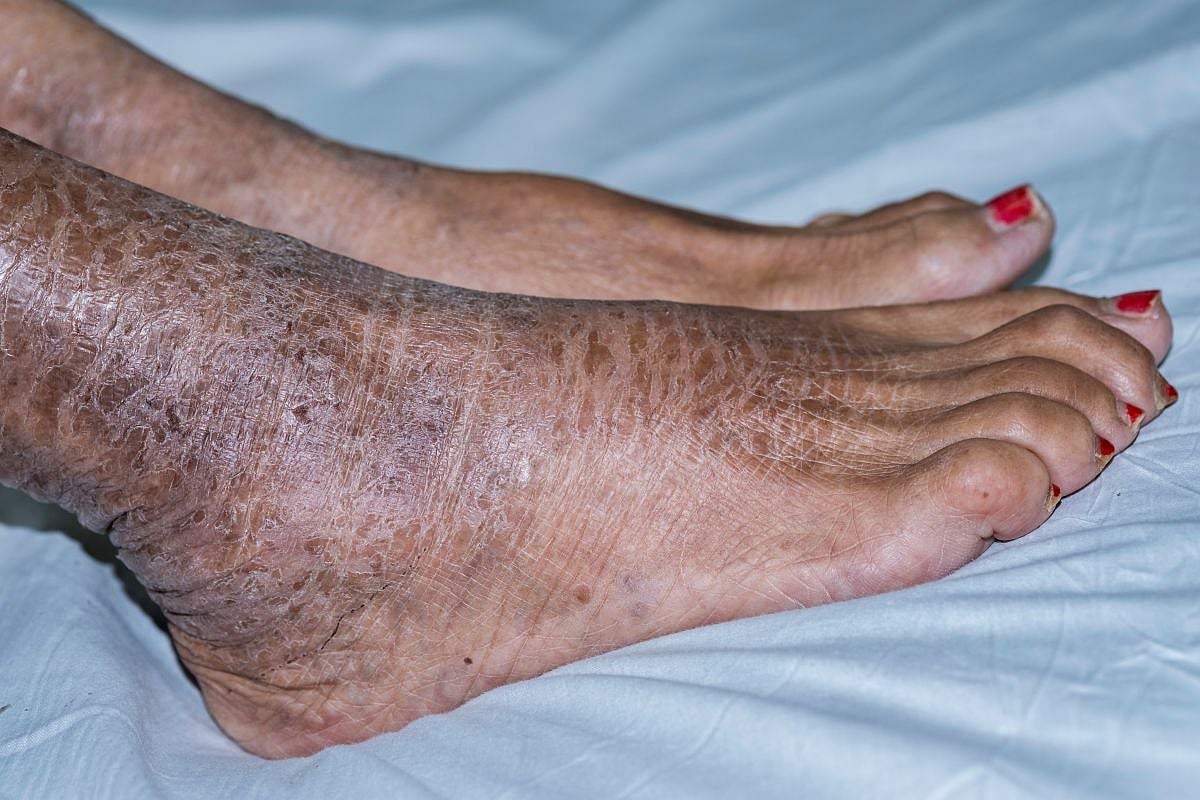 Congenital Ichthyosis Linked to Allergic Disorders
  Considerable Global Disparities Found in Access to Dermatological Care
  Extreme Heat Linked to 33 Clinically Reportable Diagnoses
  Early-Life PFAS Exposure Tied to Intestinal Inflammation in Childhood