


In childhood acute lymphoblastic leukemia, genomic subtype, aneuploidy linked to risk for relapse
THURSDAY, Aug. 22, 2024 (HealthDay News) — Genetic subtype, aneuploidy patterns, and genomic alterations are associated with the risk for relapse in childhood acute lymphoblastic leukemia (ALL), according to a study published online Aug. 9 in the Journal of Clinical Oncology.
Ti-Cheng Chang, Ph.D., from St. Jude Children”s Research Hospital in Memphis, Tennessee, and colleagues performed genome and transcriptome sequencing of diagnostic and remission samples of children with standard-risk (SR; 1,381 children) or high-risk B-progenitor ALL with favorable cytogenetic features (115 children) to identify genomic determinants of relapse. The case-control study design analyzed 439 children who relapsed and 1,057 who remained in complete remission for five years or longer.
The researchers found an association for genomic subtype with relapse, which occurred in approximately 50 percent of the cases with PAX5-altered ALL (odds ratio [OR], 3.31). Favorable survival was seen in association with gain of chromosome 10 with disomy of chromosome 7 (OR, 0.27; St. Jude Children”s Research Hospital validation cohort: OR, 0.22), while disomy of chromosomes 10 and 17 with gain of chromosome 6 was associated with relapse (OR, 7.16; validation cohort OR, 21.32) within high-hyperdiploid ALL. Genomic alterations were associated with relapse in a subtype-dependent manner and were also associated with presence of minimal residual disease.
“As discussions about deintensification of therapy are underway, it is essential to comprehensively genotype newly diagnosed patients with SR ALL to accurately tailor the intensity of therapy to minimize the toxicity without increasing the risk of relapse,” the authors write.
Several authors disclosed ties to relevant organizations.
 Childhood Cancer Survivors Often Have Mental Distress in Adulthood
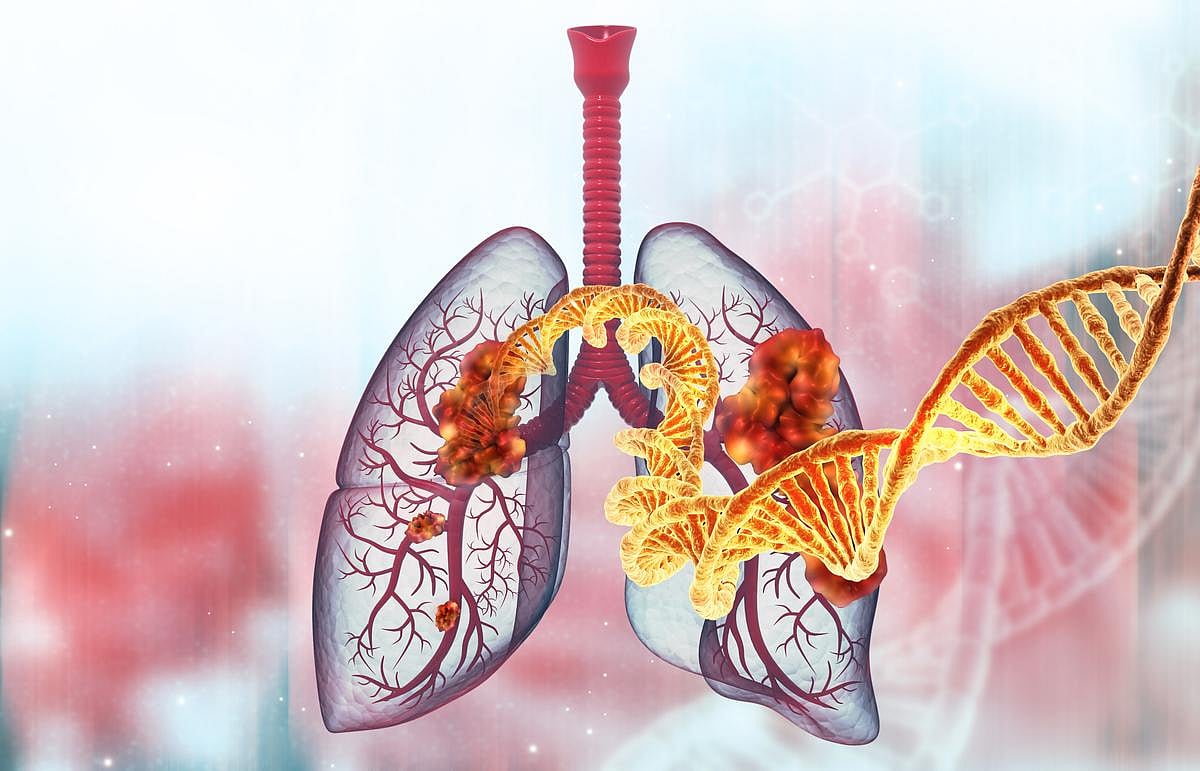 Gene Mutation Identified That Increases Lung Cancer Risk
 Blinatumomab Improves Event-Free Survival in Children With High-Risk B-Cell ALL
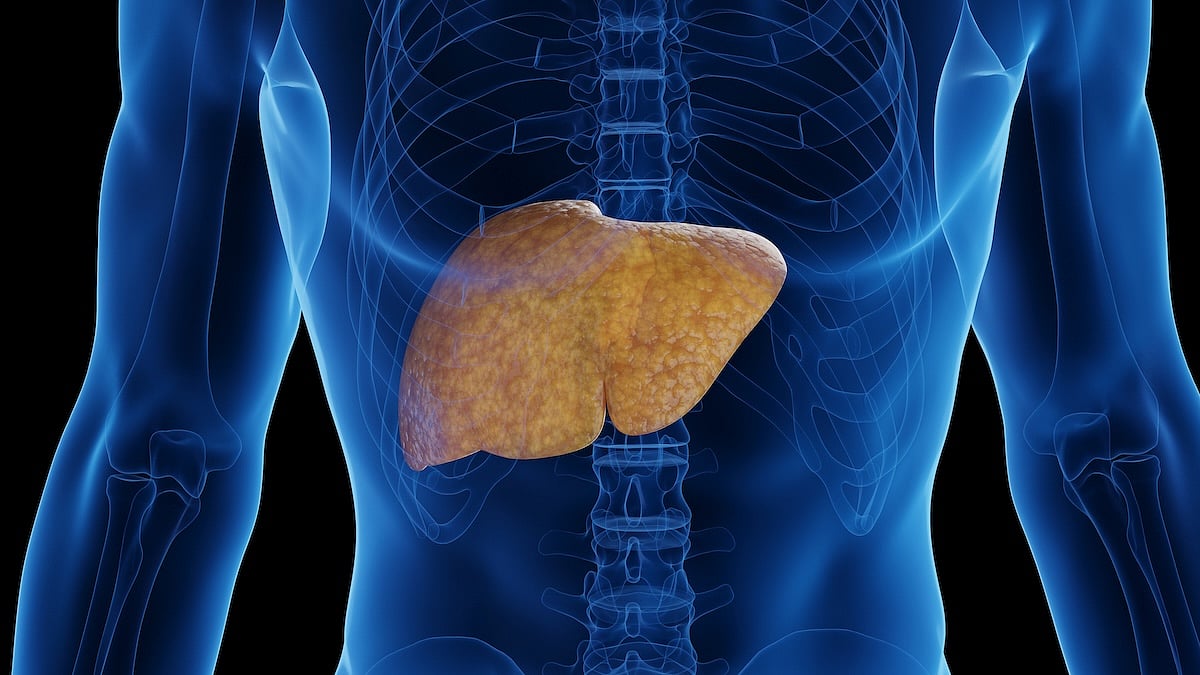 Genetics, Diabetes Tied to MASLD-Associated Cirrhosis Before Age 50
 GLP-1 Receptor Agonists, SGLT-2is Slow Renal Function Decline in T2D With Albuminuria
 Steatotic Liver Disease Risk Scores Compared for Predicting Cirrhosis
 Cirrhosis Can Recur After Liver Transplant
 Family History of CRC Increases CRC Risk Similarly in IBD, General Population



.jpg)

