


Authors say large, multisite study should provide reassurance for short-term risk
WEDNESDAY, Jan. 22, 2025 (HealthDay News) — Glucagon-like peptide 1 receptor agonist (GLP-1 RA) use is not associated with an increased risk for thyroid cancer over the short term, according to a study published online Jan. 16 in Thyroid.
Sarah M. Baxter, from Queen’s University Belfast in Northern Ireland, and colleagues investigated if GLP-1 RA use compared to use of dipeptidyl peptidase-4 inhibitors (DPP-4is) was associated with thyroid cancer risk in patients with type 2 diabetes. The analysis included 98,147 GLP-1 RA users and approximately 2.49 million DPP-4i users, with a median follow-up ranging from 1.8 to 3.0 years.
The researchers found that GLP-1 RA use was not associated with an increased risk for thyroid cancer (pooled weighted hazard ratio, 0.81; 95 percent confidence interval, 0.59 to 1.12) compared with use of DPP-4i. Among GLP-1 RA ever-users, there was no increased risk in thyroid cancer with an increasing cumulative dose of GLP-1 RA.
“In this large multisite study, utilizing data from six population-based databases, we found no evidence that GLP-1 RA use is associated with an increased risk of thyroid cancer with follow-up ranging from 1.8 to 3.0 years, providing some reassurance to patients and clinicians about the short-term safety of these drugs,” the authors write. “Nevertheless, evidence was insufficient to rule out excess risk with long-term use, due to the short follow-up.”
Several authors disclosed ties to the pharmaceutical industry.
 Long-Term Medication Adherence Tied to Lower Cardiovascular Event Rate in Type 2 Diabetes
 .jpg) Semaglutide Not Linked to Higher Neovascular Age-Related Macular Degeneration Risk
Semaglutide Not Linked to Higher Neovascular Age-Related Macular Degeneration Risk  GLP-1 Receptor Agonist Use Does Not Increase Insulin Discontinuation With Type 2 Diabetes
  GLP-1 Receptor Agonist Use Linked to Higher Risk for Ischemic Optic Neuropathy
  GLP-1 Receptor Agonists, SGLT-2is Slow Renal Function Decline in T2D With Albuminuria
 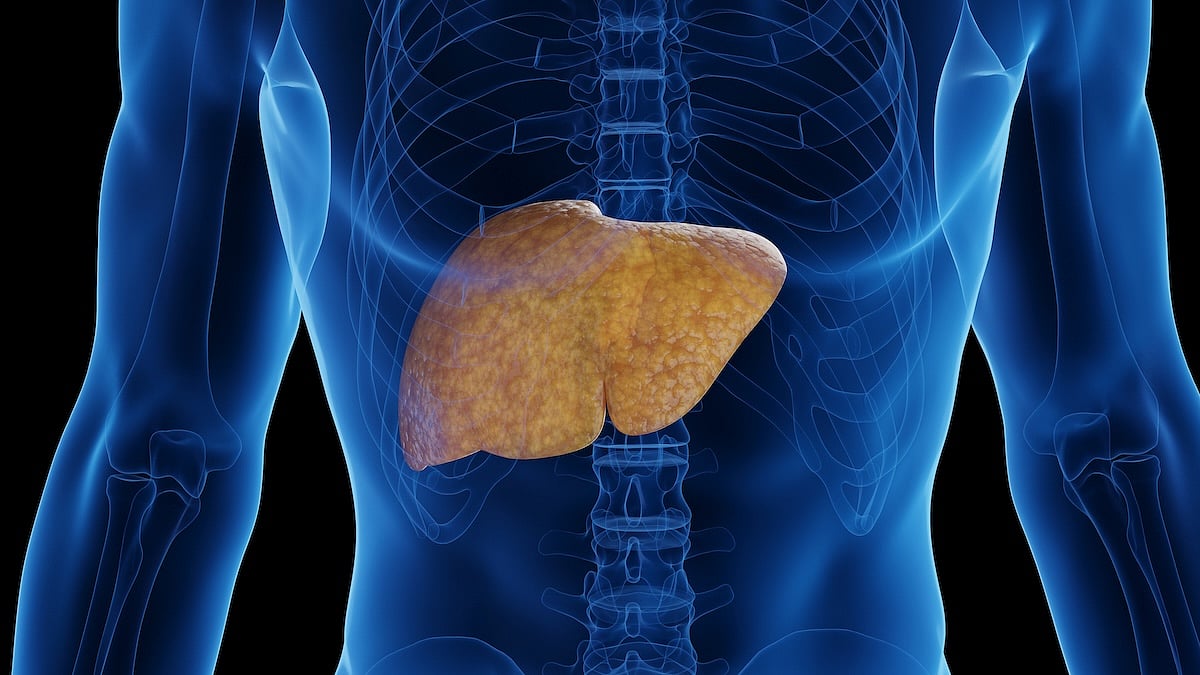 Genetics, Diabetes Tied to MASLD-Associated Cirrhosis Before Age 50
  Study IDs Risk Factors for Ketoacidosis in Adults With T2D Receiving SGLT2 Inhibitors


.jpg)

