Decrease seen in patients” mean systolic and diastolic BP and increase reported in number of patients with hypertension control
WEDNESDAY, July 8, 2026 (HealthDay News) — Field-based homeless health care programs can improve hypertension control among people experiencing homelessness, according to a study published online June 25 in the Journal of General Internal Medicine.
Sae Takada, M.D., Ph.D., from the David Geffen School of Medicine at UCLA, and colleagues extracted electronic health record data for patients aged 18 years or older who had encounters with the UCLA Health Homeless Healthcare Collaborative (HHC) between January 2022 and November 2025. Patients were included if they had a diagnosis of hypertension, were prescribed antihypertensives, or had a systolic blood pressure ≥140 mmHg or a diastolic blood pressure ≥90 mmHg (887 adults; mean age, 55.1 years).
The hypertension cohort had a median of five encounters with HHC and was followed for a median of 238 days. The researchers found that patients” mean systolic blood pressure decreased from 146.2 to 141.0 mmHg, while mean diastolic blood pressure decreased from 87.4 to 84.6 mmHg. There was an increase in the number of patients with hypertension control from 308 to 402 (34.7 to 45.3 percent). Similar results were seen in sensitivity analyses among patients prescribed antihypertensives.
“Our findings show that field-based homeless health care can improve management of high blood pressure, which is a major cause of death and disability among this population,” Takada said in a statement.
 9 of 10 Leading Causes of Death Unchanged From 2023 to 2024
  IBD Not Linked to Risk for Hypertensive Disorders of Pregnancy Overall
  Mortality in Injured Children Linked to Higher SBP Thresholds Than Those That Define Hypotension
  Eating More Whole Grains Daily Linked to Cardiometabolic Benefits
 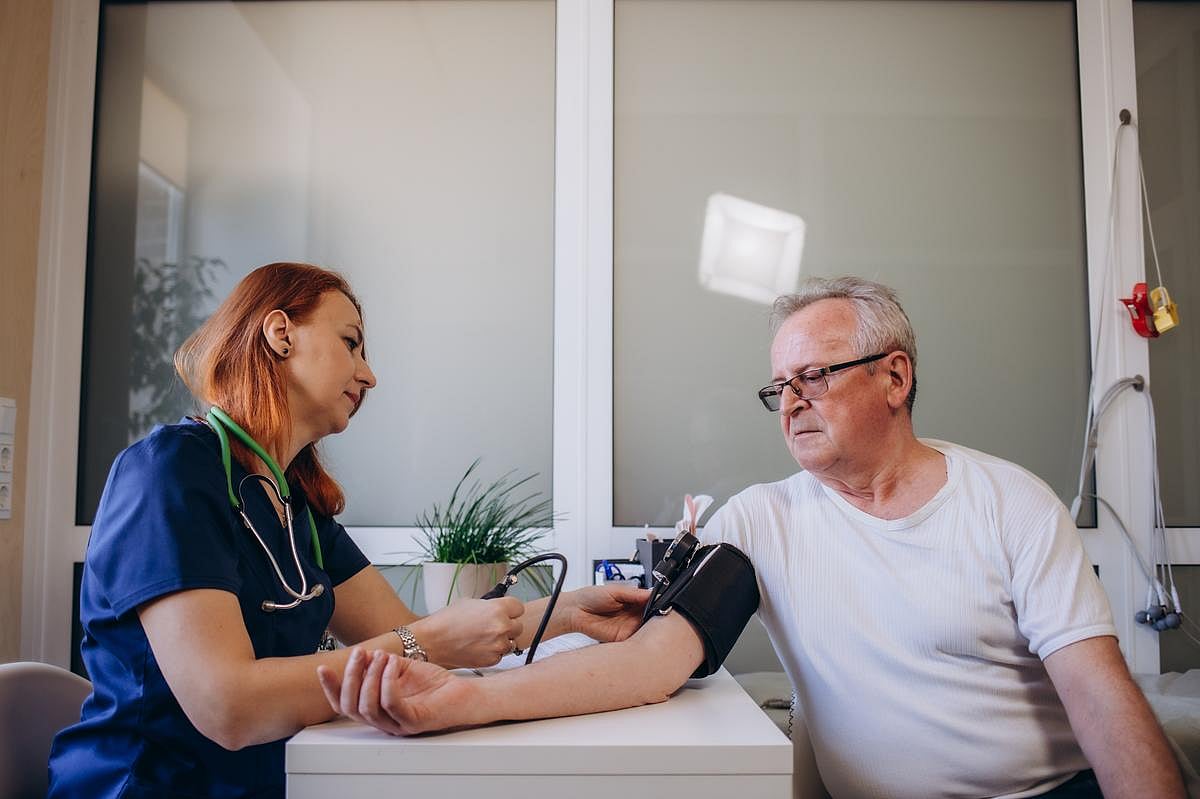 Intensive BP Lowering Reduces Recurrent Stroke After Intracerebral Hemorrhage
  Onset of Mortality, Morbidity Delayed for Offspring of Centenarians
  Vascular Burden in Midlife Linked to Increased Risk for Dementia, Death
  28 Percent of U.S. Adults With HTN Eligible for Treatment Under New Guidelines