



At 12 months, adults with insulin-treated diabetes had significant improvements in HbA1c and hospitalizations
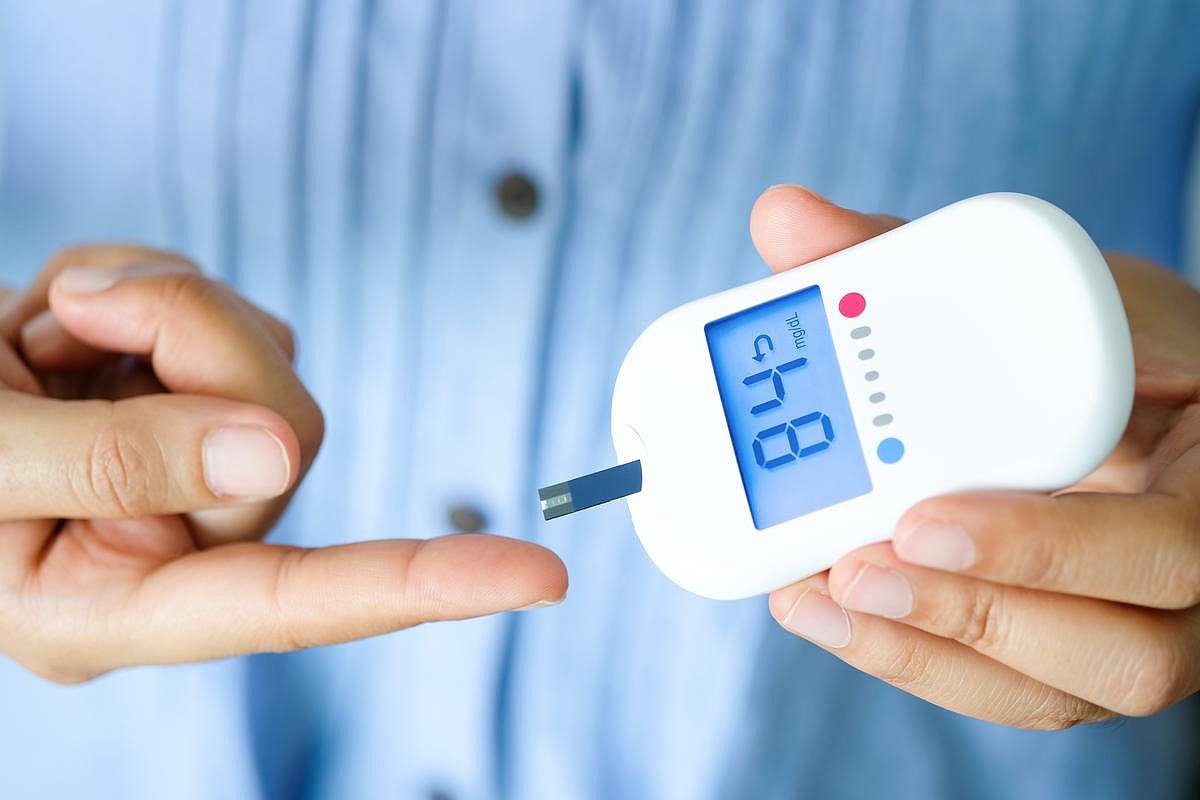
TUESDAY, July 14, 2026 (HealthDay News) — Among adults with insulin-treated diabetes, initiation of continuous glucose monitoring (CGM) by primary care clinicians is associated with clinically meaningful improvements in hemoglobin A1c (HbA1c) and significant reductions in recurrent hospitalizations, according to a study published online July 6 in JAMA Network Open.
Jovan Milosavljevic, M.D., from the Albert Einstein College of Medicine in Bronx, New York, and colleagues examined whether CGM initiation by primary care clinicians improves glycemic outcomes and reduces acute health care utilization. The analysis included 8,502 insulin-treated CGM-naive adult patients with diabetes treated at 18 primary care clinics within a large safety-net health system.
The researchers found that 28.1 percent of patients were prescribed CGM by primary care clinicians. Those who initiated CGM were younger, were more often English-speaking and commercially insured, and had higher baseline HbA1c levels and more microvascular complications. At 12 months, in patients who initiated CGM, HbA1c levels decreased by 0.66 percentage points (pp) versus 0.17 pp in those who did not. Additionally, CGM initiation was associated with a lower risk for recurrent hospitalizations (hazard ratio, 0.87) and emergency department visits (hazard ratio, 0.82).
“As an endocrinologist, I have seen firsthand the positive impacts of CGMs, and with people visiting their primary care doctors much more often, we have an incredible opportunity to empower primary care teams and our patients in this setting,” Milosavljevic said in a statement.
 Continuous Glucose Patterns May ID Cardiometabolic Risk Without Diabetes
  Model IDs Inpatients at Risk for Hypoglycemia Within 24 Hours
  Drop in Greenhouse Gas Emissions Seen With Effective Prevention, Management of T2DM
  Surgery Beats Medical Therapy in T2D, Regardless of Social Deprivation
  GLP-1 Receptor Agonists, SGLT-2is Slow Renal Function Decline in T2D With Albuminuria
  Study IDs Risk Factors for Ketoacidosis in Adults With T2D Receiving SGLT2 Inhibitors
  Genetics, Diabetes Tied to MASLD-Associated Cirrhosis Before Age 50
  Very Low-Carb Diet Shows Greater Cardiometabolic Benefits Than Other Diets


.jpg)

