
Higher prevalence seen for range of conditions years after military separation
WEDNESDAY, Sept. 23, 2026 (HealthDay News) — High-level blast (HLB) exposure during military service is associated with a higher prevalence of a range of neurological and non-neurological clinical conditions years after separation from service, according to a study published online Sept. 16 in Neurology.
Sarah L. Martindale, Ph.D., from the Salisbury VA Health Care System in North Carolina, and colleagues examined the relationship between HLB exposure during military service and subsequent chronic medical diagnoses among U.S. veterans. The analysis included 36,641 veterans receiving Veterans Health Administration care for at least two years after military service.
The researchers found that after adjusting for factors such as age, sex, and total number of days deployed, HLB exposure was associated with an increased likelihood of several incident diagnoses, including hepatitis B (adjusted prevalence ratio [APR], 1.46), hepatitis C (APR, 1.89), diabetes (APR, 1.28), hypercholesterolemia (APR, 1.31), hyperlipidemia (APR, 1.12), obesity (APR, 1.07), seizures (APR, 1.79), angina (APR, 1.43), hypertension (APR, 1.08), other heart condition (APR, 1.15), stroke (APR, 1.35), chronic bronchitis (APR, 1.28), emphysema (APR, 1.26), sinusitis (APR, 1.13), neuropathy (APR, 1.38), and bladder infection (APR, 1.54).
“Blast exposure is often viewed through the lens of acute injury and brain health, but our findings reinforce that blast exposure is a whole-body problem with health implications that extend well beyond the time of exposure,” Martindale said in a statement.
Abstract/Full Text (subscription or payment may be required)
 Mortality in Injured Children Linked to Higher SBP Thresholds Than Those That Define Hypotension
  Women With Cerebral Palsy Receive Less Preventive Gynecological Care
  People With ADHD Experience 50 Percent More GI Symptoms
  Extreme Heat Linked to 33 Clinically Reportable Diagnoses
 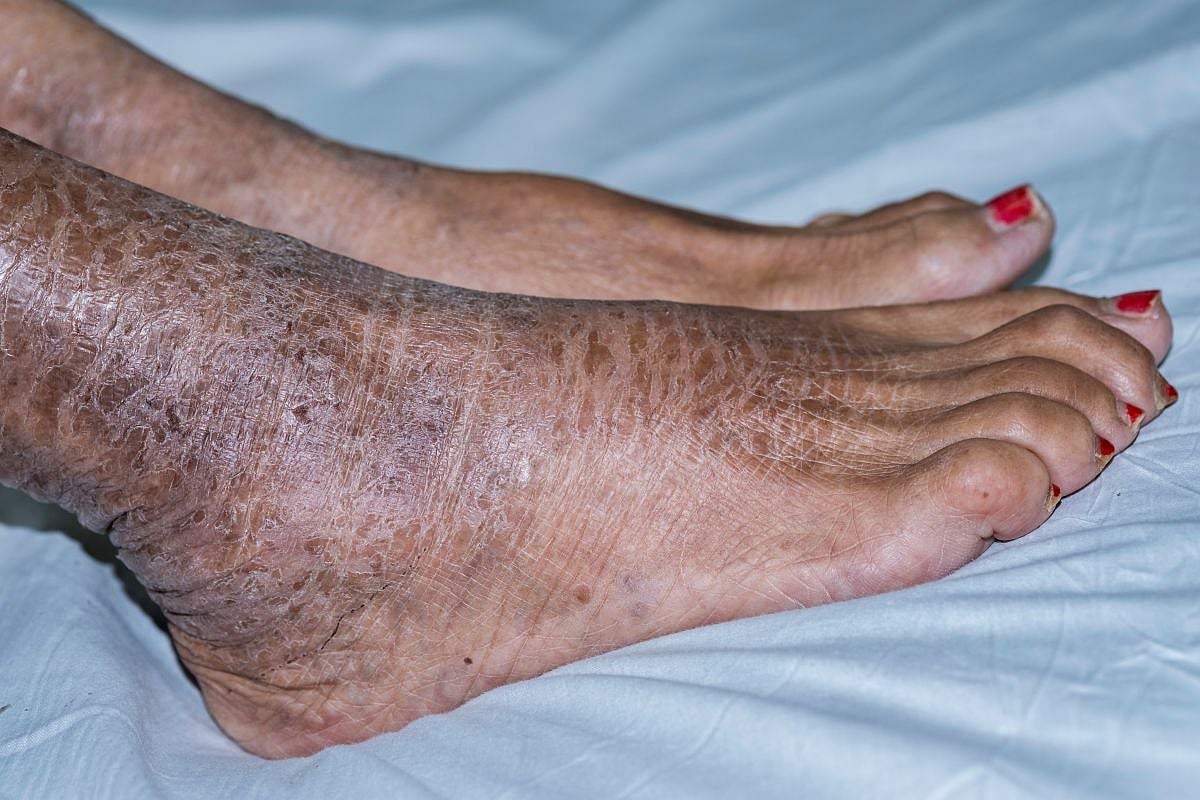 Congenital Ichthyosis Linked to Allergic Disorders
  Air Pollution Tied to Higher Risk for Suicide
  Psychiatrists Only Agree 55 Percent of the Time on Diagnoses
 .jpg) Recommendations Updated for Management of Anemia in CKD
Recommendations Updated for Management of Anemia in CKD