
Negative correlation seen for IOP with ambient temperature, while positive correlation seen with mean blood pressure
FRIDAY, Oct. 2, 2026 (HealthDay News) — For patients with stable primary open-angle glaucoma (POAG) under medical treatment, ambient temperature is associated with intraocular pressure (IOP), according to a study published online Sept. 29 in the British Journal of Ophthalmology.
Toru Ikushima, M.D., from the Kyoto Prefectural University of Medicine in Japan, and colleagues conducted a retrospective study to examine the effects of ambient temperature on IOP in patients with stable POAG under medical treatment. The analysis included 2,655 IOP measurements from 154 eyes of 77 patients.
The researchers observed a negative correlation for IOP with ambient temperature (estimate, −0.029), while a positive correlation was seen with mean blood pressure (estimate, 0.021). There tended to be an association for central corneal thickness with IOP. A significant effect on IOP fluctuation was seen for the number of eye drops used, glaucoma type, and time of day, while season also tended to have an effect.
“This study revealed that ambient temperature was one of the independent factors with a significant negative correlation with IOP in patients with stable POAG under medical treatment, and that the responsiveness of IOP to ambient temperature is greater in patients with severe-stage glaucoma, which should be considered in a comprehensive POAG treatment strategy,” the authors write.
Several authors disclosed ties to the pharmaceutical and vision industries.
 Dexamethasone Eye Drops Can Reduce Progression to ROP Requiring Treatment
 .jpg) Tadalafil Linked to Glaucoma in Men With Lower Urinary Tract Symptoms
Tadalafil Linked to Glaucoma in Men With Lower Urinary Tract Symptoms 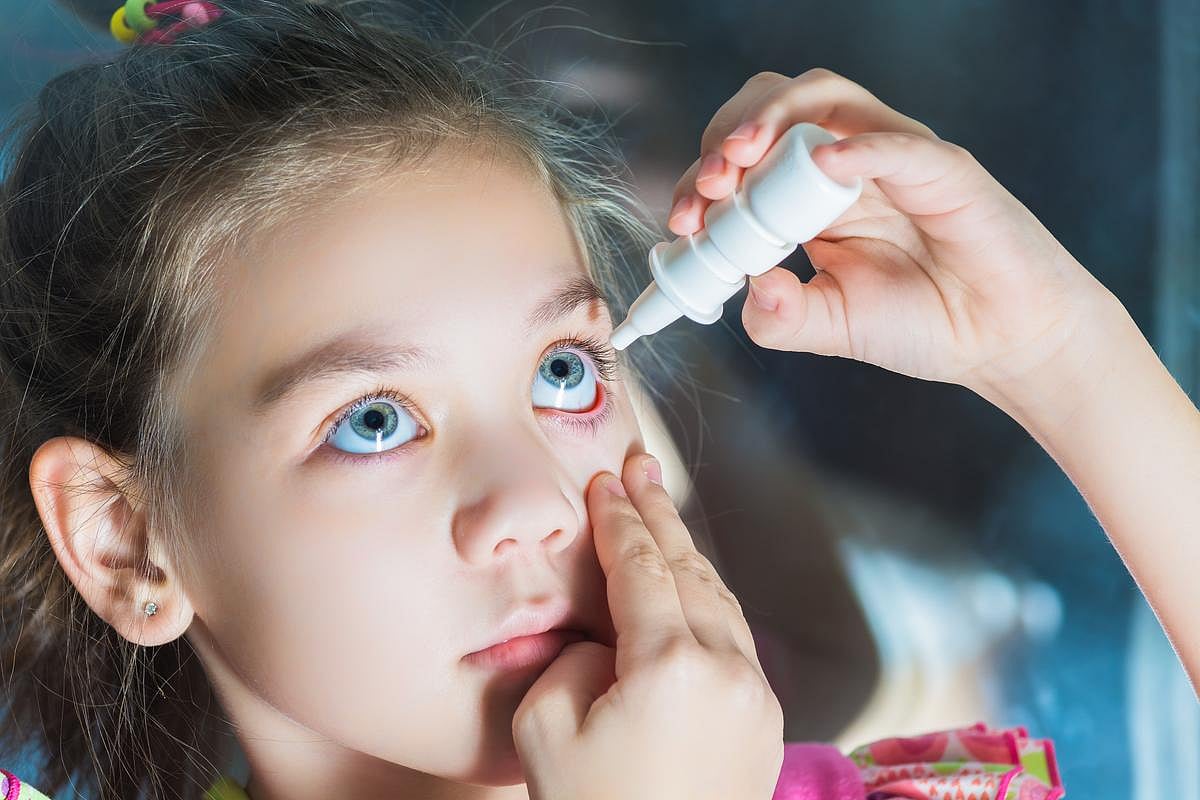 Atropine Eye Drops Reduce Myopia Progression in Children
  High Pillow Position Linked to Increased IOP in Glaucoma
  Clinicians Use Intraocular Pressure as Continuous Risk Factor for Glaucoma Management
  Pooled Cohort Equations CV Risk Score Stratifies Risk for Ocular Disease
 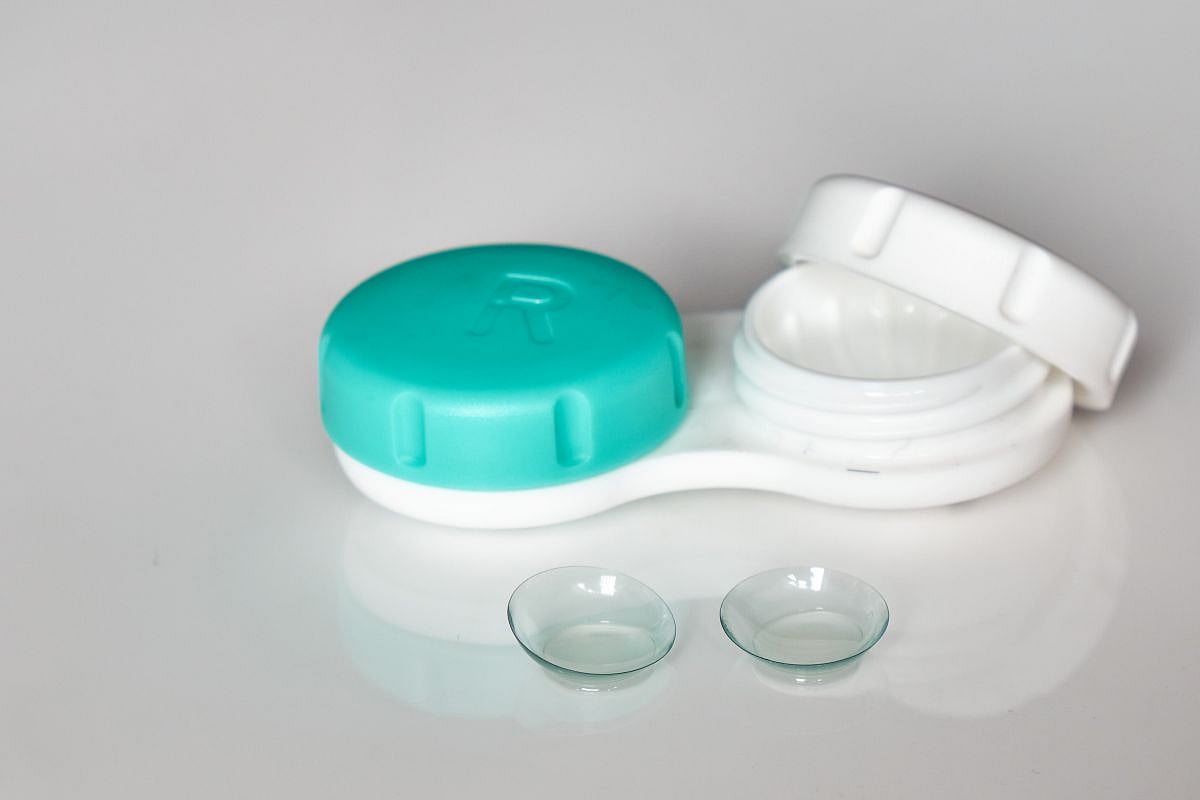 Gas-Permeable Lenses Beneficial After Congenital Glaucoma Surgery
  NRTI Use Linked to Risk for Primary Open-Angle Glaucoma