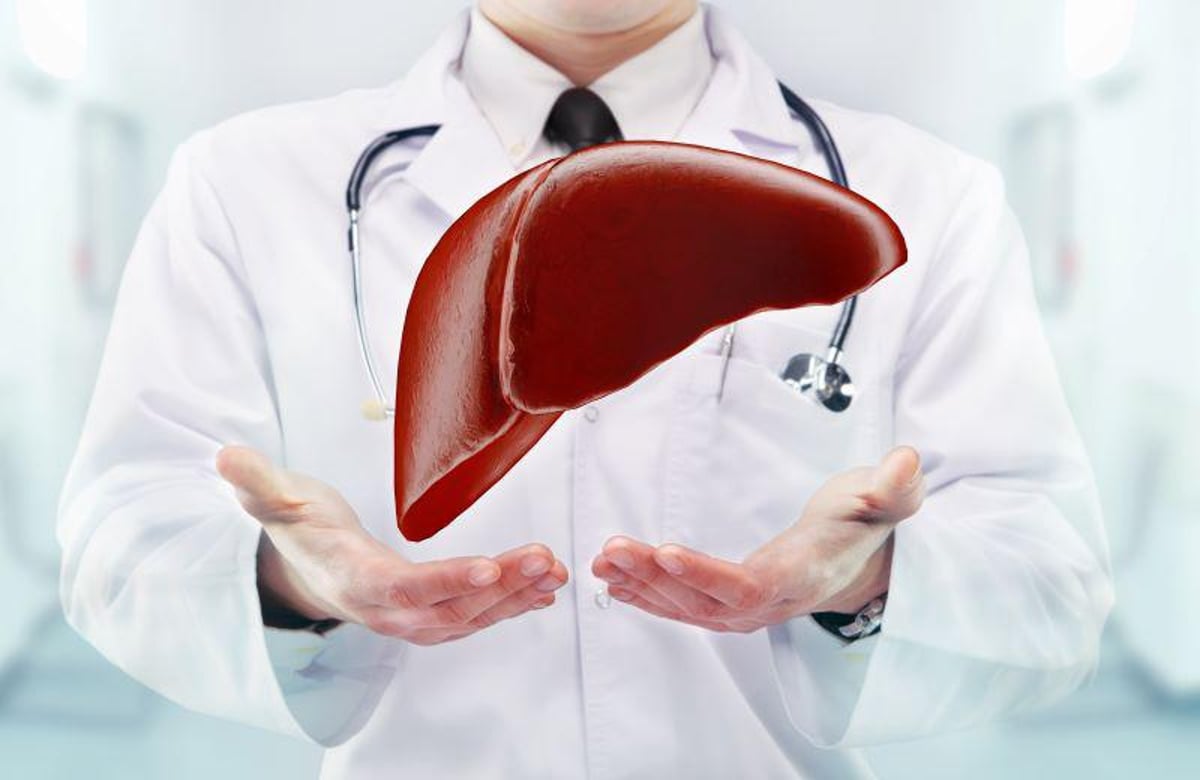
Preferred approach described for managing ACLF, now emerging as a major cause of mortality in patients with cirrhosis, chronic liver disease
WEDNESDAY, Jan. 26, 2022 (HealthDay News) — In clinical guidelines issued by the American College of Gastroenterology and published online Jan. 10 in the American Journal of Gastroenterology, recommendations are presented for the management of acute-on-chronic liver failure (ACLF).
Jasmohan S. Bajaj, M.D., from Virginia Commonwealth University in Richmond, and colleagues examined the preferred approach to management of patients with ACLF, defined as a potentially reversible condition in patients with chronic liver disease with or without cirrhosis that is associated with the potential for multiple organ failure and mortality within three months.
The authors note that prognostic markers that predict ACLF outcome should be differentiated from diagnostic markers that confirm the presence of ACLF. With further validation, microbial composition and microbial-origin metabolites can be used as biomarkers for development and prognosis of ACLF. The diagnosis of ACLF is supported by the presence of kidney, lung, circulatory, or brain failure. Albumin is recommended in addition to antibiotics to prevent AKI and subsequent organ failure in patients with cirrhosis and spontaneous bacterial peritonitis. Assessment for infection is recommended in hospitalized decompensated cirrhotic patients because infection is associated with development of ACLF and increased mortality. Management strategies include a recommendation against daily albumin infusion to maintain serum albumin levels in hospitalized patients with cirrhosis as a means to improve mortality or to prevent renal dysfunction or infection.
“When exercising clinical judgment, particularly when treatments pose significant risks, health care providers should incorporate this guideline in addition to patient-specific medical comorbidities, health status, and preferences to arrive at a patient-centered care approach,” the authors write.
 Steatotic Liver Disease Risk Scores Compared for Predicting Cirrhosis
  Cirrhosis Can Recur After Liver Transplant
  Increase Seen in Rates of Xenobiotic-Induced Liver Injury From 2020 to 2024
  Impact of Alcohol Intake on Fibrosis Risk Varies by Sex, Liver Disease
  Link Between Liver Fibrosis in MASLD, ASCVD Varies by Glycemic Status
  Higher Coffee Consumption Linked to Favorable Indicators of Liver Health
  Stepped Alcohol Treatment Via Telehealth Reduces Alcohol Use
  New Model Performs Well for Detecting Alcohol-Associated Liver Disease



.jpg)