


For mild CHD, adequate-plus versus intermediate prenatal care linked to lower probability of delivery at a cardiac center
FRIDAY, Nov. 14, 2025 (HealthDay News) — For cases of mild congenital heart defects (CHDs), more prenatal visits are associated with lower probability of delivery at a cardiac center, according to a study published online Nov. 9 in JAMA Network Open to coincide with the American Heart Association Scientific Sessions 2025, held from Nov. 7 to 10 in New Orleans.
Christina Laternser, Ph.D., from the Ann & Robert H. Lurie Children”s Hospital of Chicago, and colleagues examined the associations between prenatal care adequacy and the likelihood of delivery at a pediatric cardiac center. Participants included neonates born with CHDs in Illinois from 2013 to 2021; of 12,113 neonates with CHD, 3,076 (25.4 percent) were born at a cardiac center and 1,579 (13.0 percent) had severe CHD.
Overall, 2.3 and 13.4 percent had no prenatal care and inadequate prenatal care, respectively; 10.8, 34.8, and 38.8 percent had intermediate, adequate, and adequate-plus prenatal care, respectively. The researchers observed an association for prenatal care initiation, with a 10.5 and 30.2 percentage point higher probability of delivery at a cardiac center for fetuses with mild CHD and severe CHD, respectively. For mild CHD, compared with intermediate prenatal care, adequate-plus prenatal care was associated with a 6.7 percentage point lower probability of delivery at a cardiac center. For severe CHD, prenatal visit frequency was not associated with delivery at a cardiac center.
“Prenatal care ensures that babies with congenital heart defects are born at the right location with the appropriate intensity of care based on their clinical needs,” senior author Joyce Woo, M.D., also from Ann & Robert H. Lurie Children”s Hospital, said in a statement.
 Low Levels of Placental Growth Factor in Pregnancy Linked to Subsequent ADHD in Offspring
  Recommendations Issued for Use of Incretin-Based Meds in Pregnancy
 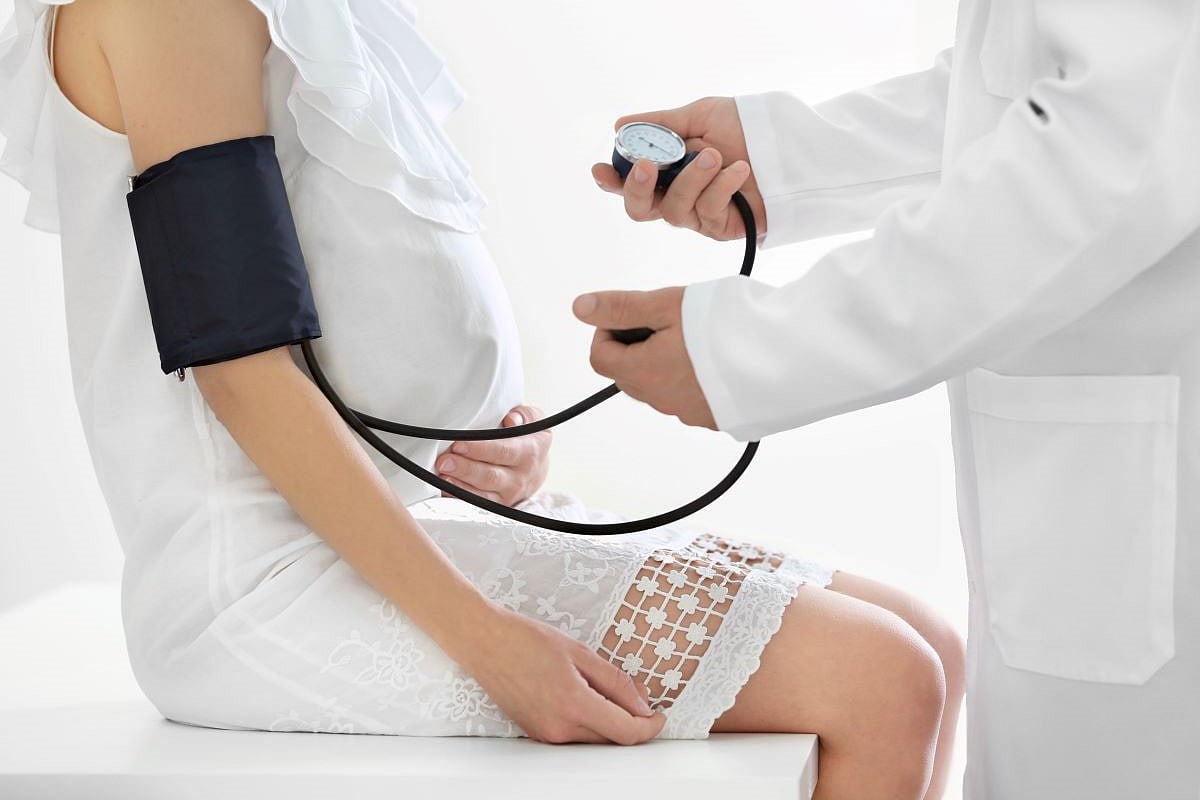 IBD Not Linked to Risk for Hypertensive Disorders of Pregnancy Overall
  Maternal Vitamin D Status Linked to Preterm Delivery
  Serum 25(OH)D May Serve as Biomarker of Disease Activity in IBD
 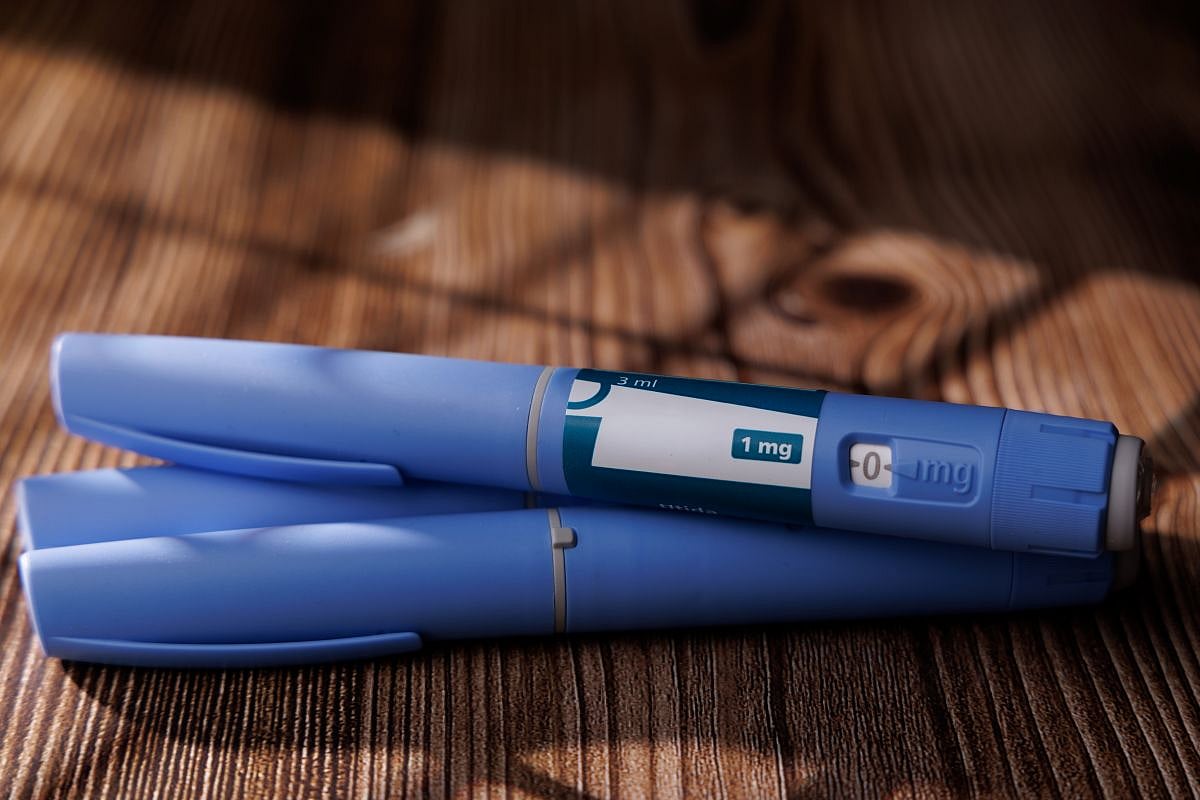 Nutritional Deficiencies Seen in Youth Taking GLP-1 Receptor Agonists
  Mom"s Poor Sleep in Late Pregnancy Linked to Offspring"s Obesity Risk in Early Childhood



.jpg)
