Software improvements show high sensitivity across skin cancer types, including melanoma
FRIDAY, Nov. 3, 2023 (HealthDay News) — Artificial intelligence (AI) is increasingly accurate in detecting skin cancer, according to a study presented at the annual meeting of the European Academy of Dermatology and Venereology, held from Oct. 11 to 14 in Berlin.
Kashini Andrew, M.B.B.S., from the University Hospitals Birmingham NHS Foundation Trust in the United Kingdom, and colleagues examined improvement in the sensitivity of the detection of skin cancers with continued improvement of the AI algorithm (upgraded twice since May 2020) using previously collected data (22,356 patients assessed over 2.6 years).
The researchers found that the latest version of AI software was highly sensitive in detecting all skin cancers (99.5 percent), precancers (92.5 percent), and melanoma (100 percent), with improved sensitivity observed over time. Out of 190 cancers, AI missed one cancer diagnosis — a basal cell carcinoma identified at the second read by the safety-net dermatologist. The latest algorithm also showed a high specificity in identifying benign lesions (75.3 percent). Compared with version 1, the researchers note a slight drop in specificity for benign lesions, a potential trade-off for increased sensitivity for malignant lesions. The rate of overturn of the diagnosis from benign to skin cancer was 0.1 percent, which was a significant improvement from version 1. The investigators estimated that the latest version prevented more than 2,000 face-to-face appointments in secondary care.
“The role of AI in dermatology and the most appropriate pathway are debated,” Andrew said in a statement. “Further research with appropriate clinical oversight may allow the deployment of AI as a triage tool. However, any pathway must demonstrate cost-effectiveness, and AI is currently not a standalone tool in dermatology. Our data shows the great promise of AI in future provision of health care.”
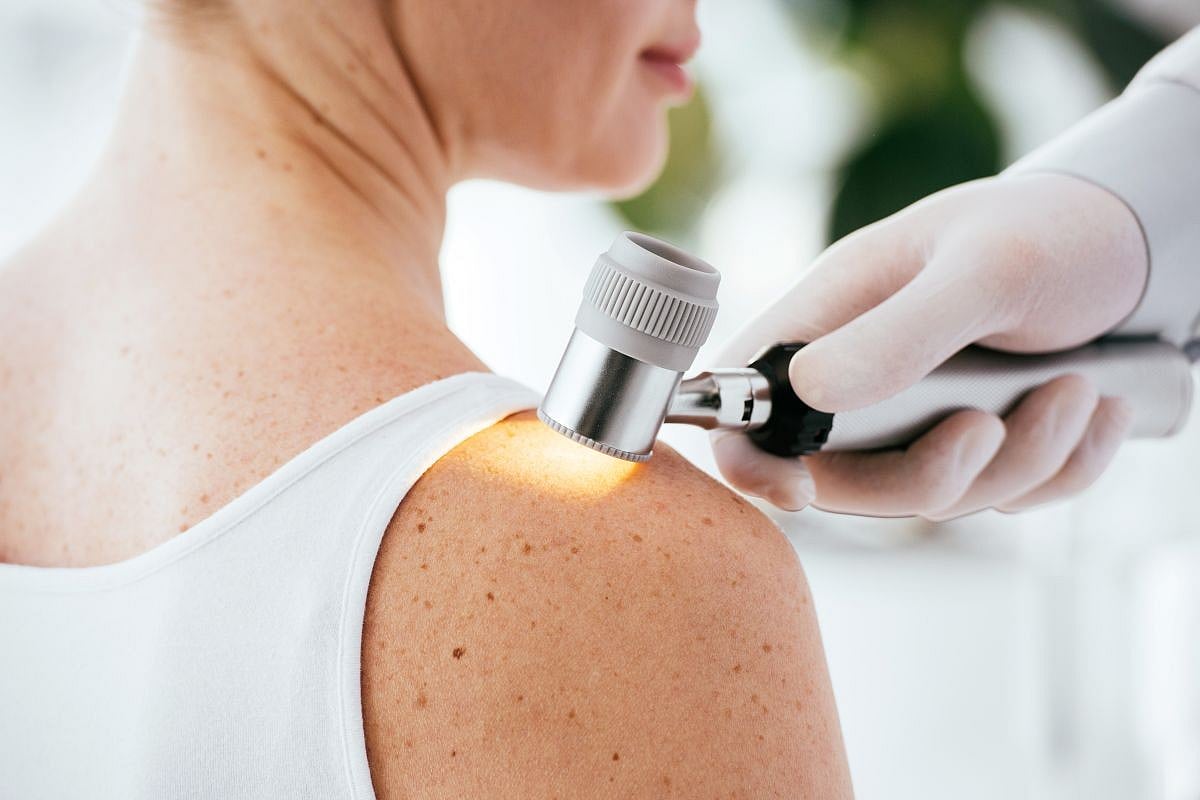 Patient Education Increases Skin Cancer Screening in Stem Cell Transplant Survivors
  1 in 3 Women and 1 in 4 Men Engage in Intentional Outdoor Tanning
 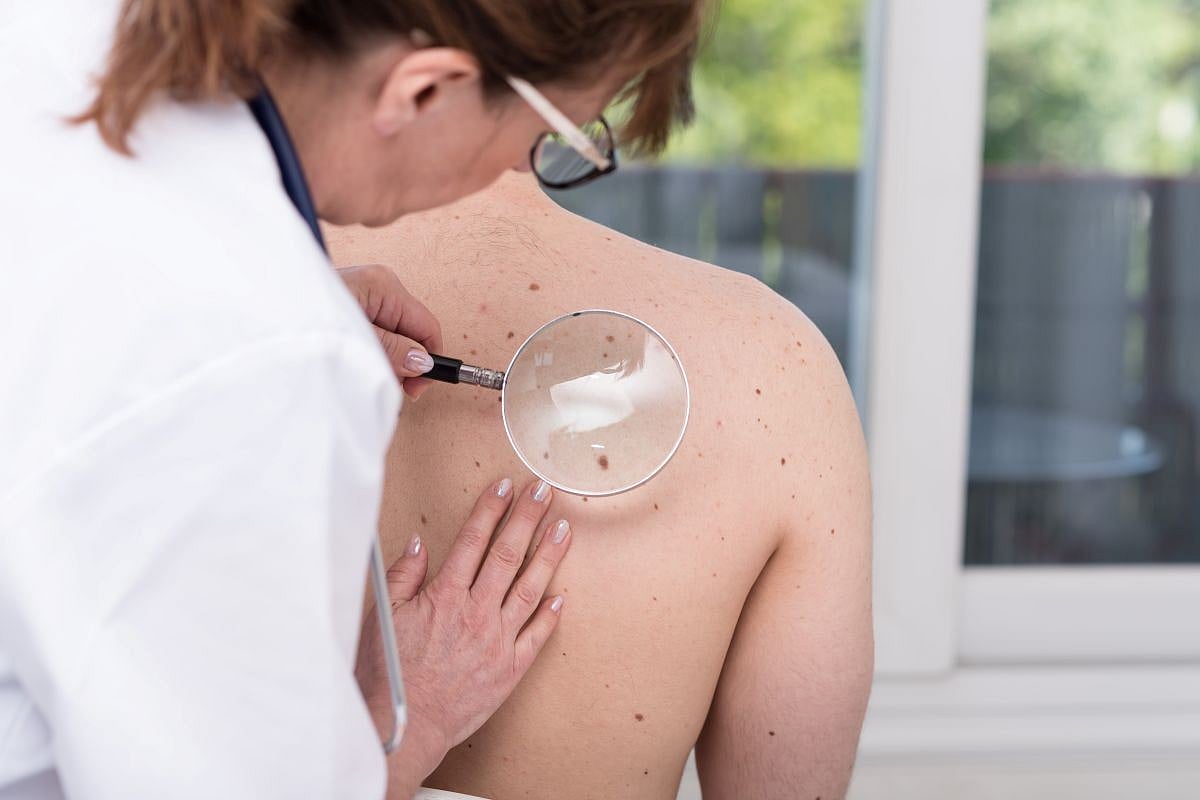 Melanoma Incidence and Deaths Disproportionately Impact Men
 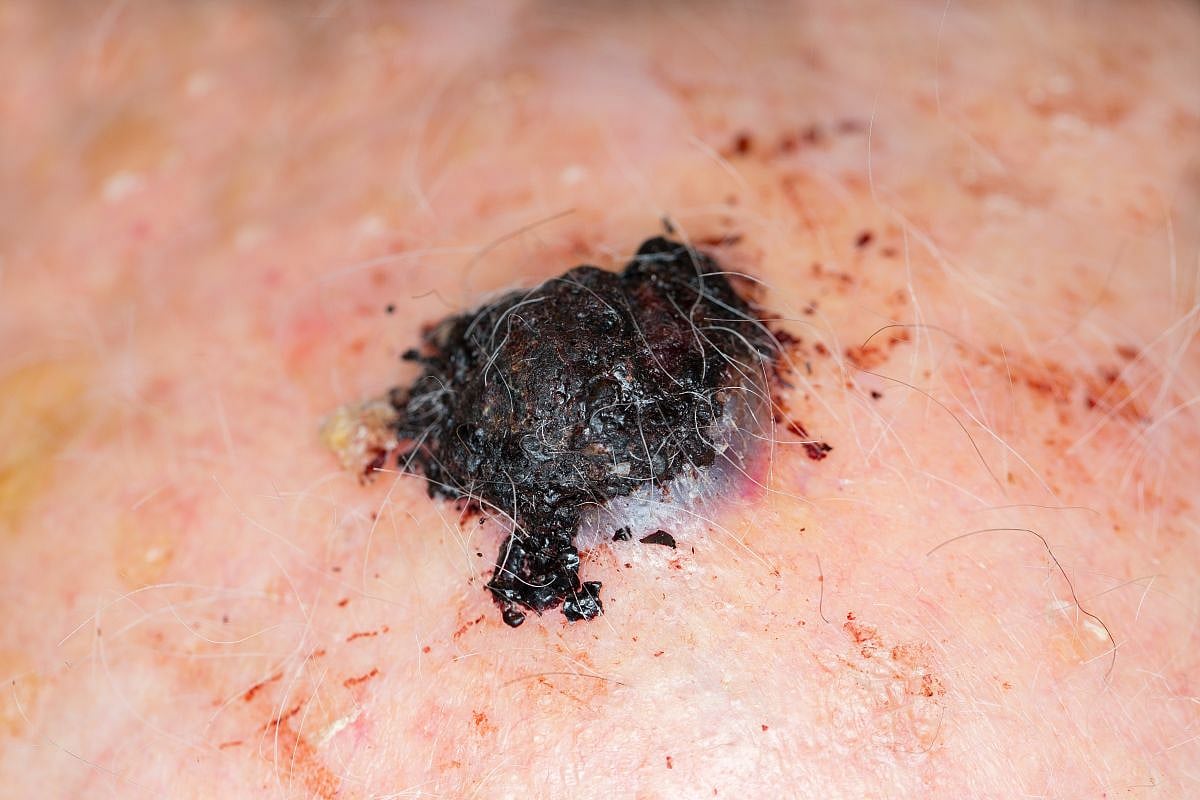 Deep Learning Ensemble Shows Potential for Identifying Melanoma
  Genomic Newborn Screening Could ID Cancer Predisposition Syndrome
  Female Emergency Medicine Physicians Order More Tests, Admit More Patients
  Greater Physician Knowledge Linked to Lower Use of Low-Value Services
  Risk-Based Strategies Superior to USPSTF Criteria for Lung Cancer Screening