


Findings strongest for a walking regimen and in the posttreatment setting
TUESDAY, Jan. 13, 2026 (HealthDay News) — Regular physical activity can significantly reduce cancer-related fatigue and improve quality of life in people with colorectal cancer, according to a study presented at the American Society of Clinical Oncology annual Gastrointestinal Cancers Symposium, held from Jan. 8 to 10 in San Francisco.
Louisa Liu, M.D., from Cedars-Sinai Medical Center in Los Angeles, and colleagues assessed what impact different levels of physical activity could have on cancer-related fatigue during the two-year period immediately after a colorectal cancer diagnosis. The analysis included 1,718 patients participating in the international ColoCare study.
The researchers found that among patients with nonmetastatic colorectal cancer, those who reported walking as an exercise regimen six to 12 months after their diagnosis saw the most benefit, with lower cancer-related fatigue scores and higher quality-of-life scores reported two years after diagnosis (fatigue scores of 32.5 at diagnosis, 29.0 at 12 months, and 26.8 at 24 months). A similar nonsignificant trend was seen in patients with metastatic disease (40.7, 37.1, and 36.4 at diagnosis, 12 months, and 24 months, respectively). Physical activity levels at the time of diagnosis did not reliably predict long-term fatigue and quality-of-life outcomes, while activity levels maintained between diagnosis and one-year follow-up were the strongest predictor of better outcomes.
“Fatigue is one of the most common struggles that cancer survivors face,” Joel Saltzman, M.D., from the Cleveland Clinic, said in a statement. “This longitudinal study provides clear evidence that increased levels of physical activity in colon cancer survivors with early-stage disease can lead to improved quality of life.”
 Air Pollution Does Not Impair Benefits of Walking in Reducing COPD Exacerbation Rate
  Childhood Cancer Survivors Often Have Mental Distress in Adulthood
  Mindfulness, Tai Chi May Benefit Cancer Survivors
  Surveillance Colonoscopy at Five Years After Adenoma Removal Noninferior to Three Years
  Family History of CRC Increases CRC Risk Similarly in IBD, General Population
 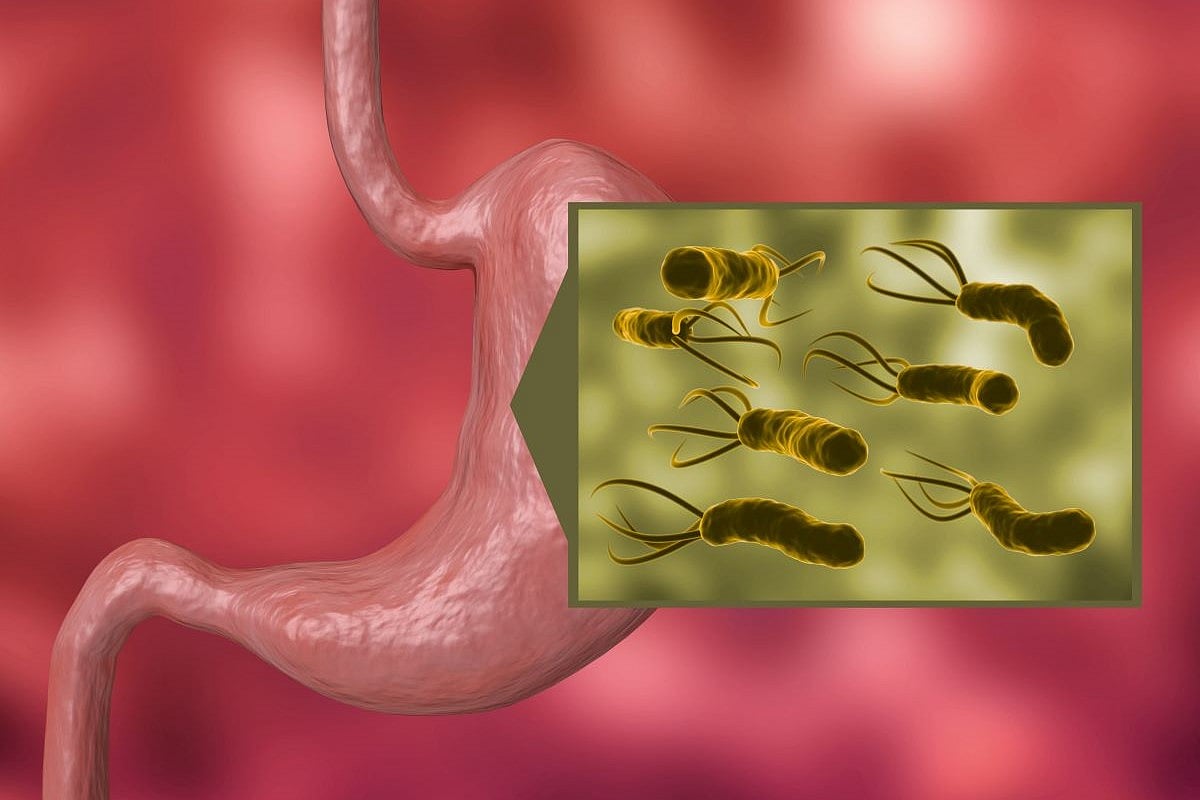 H. Pylori Exposure May Contribute to Global Burden of Colorectal Cancer
  Couples" Coping Skills Help Reduce Depression in GI Cancer Survivors
 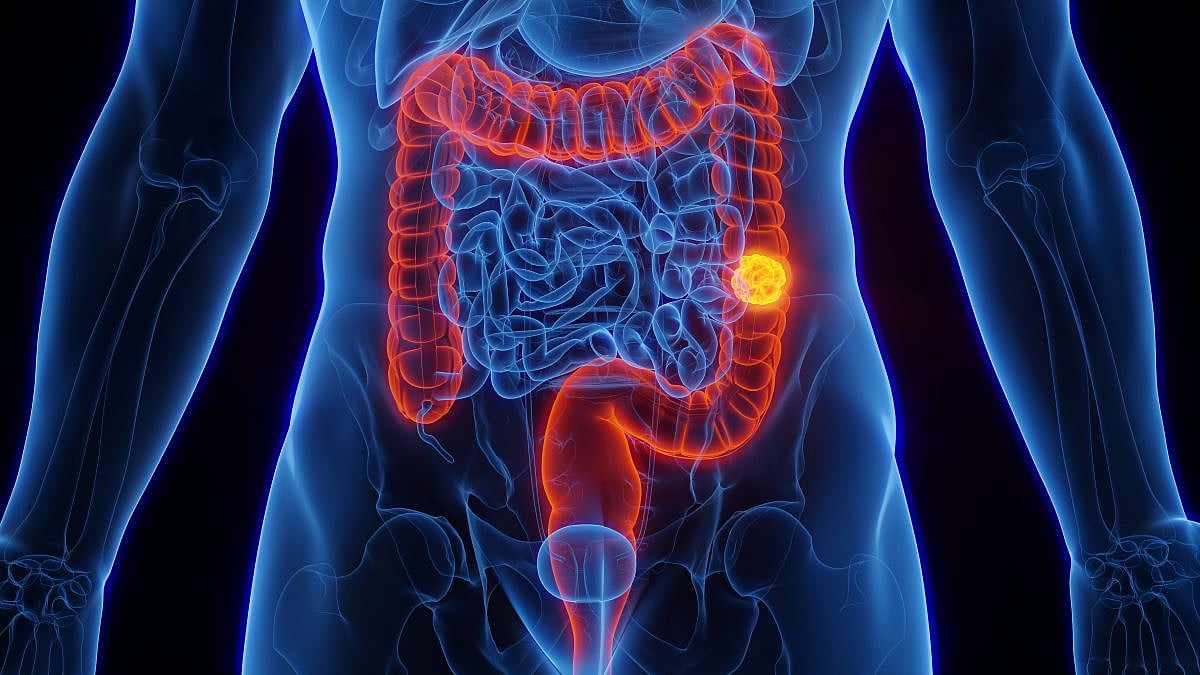 Organized, Biennial FIT-Based Screening Linked to Lower Colorectal Cancer Mortality


.jpg)

