


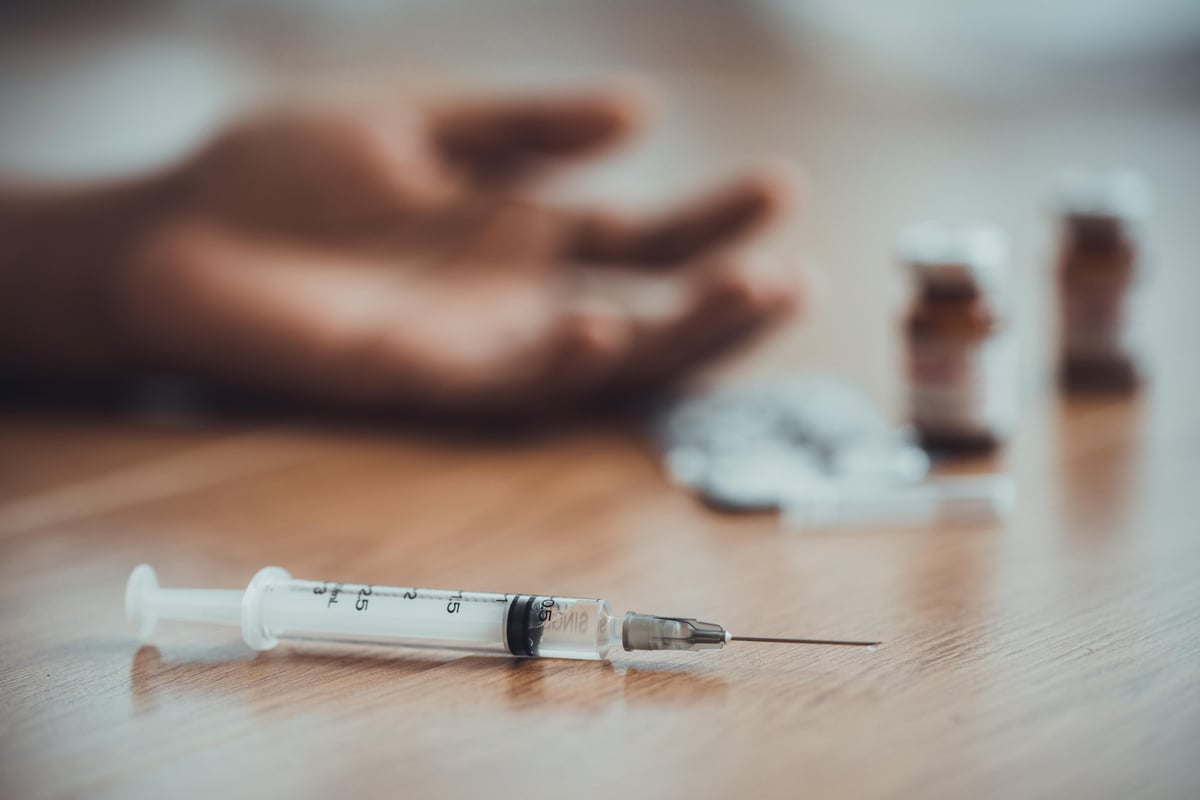
Yet, study shows buprenorphine is effective in protecting against overdose in this population
THURSDAY, May 12, 2022 (HealthDay News) — Individuals with opioid use disorder (OUD) and polysubstance use are less likely to initiate buprenorphine and naltrexone than individuals with OUD without polysubstance use, according to a study published online May 10 in JAMA Network Open.
Kevin Y. Xu, M.D., from the Washington University School of Medicine in St. Louis, and colleagues evaluated the distribution of buprenorphine and naltrexone initiation among individuals with OUD with and without cooccurring substance use disorder (SUD). The analysis included insurance claims from the IBM MarketScan databases (2011 to 2016) for treatment-seeking individuals (aged 12 to 64 years; 179,280 individuals) with a primary diagnosis of OUD.
The researchers found that overall, 57.4 percent of individuals with OUD received psychosocial treatment without medications for OUD (MOUD; 70.4 percent with cooccurring SUDs did not receive MOUD versus 52.7 percent without cooccurring SUDs). There were decreased odds of initiating buprenorphine among those with cooccurring SUD (risk ratio, 0.55) but increased odds of initiating naltrexone (extended release: risk ratio, 1.12; oral: risk ratio, 1.95). For individuals initiating MOUD who experienced at least one drug-related poisoning during the study period, there was an association observed between buprenorphine treatment days and decreased poisonings compared with days without MOUD for individuals with cooccurring SUD (odds ratio, 0.56) and individuals without cooccurring SUD (odds ratio, 0.57).
“These findings suggest that individuals with cooccurring SUDs were less likely to receive buprenorphine despite buprenorphine’s association with protecting against overdose in this population,” the authors write.
One author disclosed financial ties to the pharmaceutical industry.
.jpg) Most Specialty Oral Anticancer Meds for Blood Cancers Are Initially Rejected by Insurers
Most Specialty Oral Anticancer Meds for Blood Cancers Are Initially Rejected by Insurers  Drug Interactions Reducing Contraceptive Effectiveness Common in Epilepsy
  Withdrawal From Medetomidine Increasingly Seen in ICUs
  Financial Incentives Boost Tobacco Abstinence in Underserved Adults
  2016 to 2024 Saw Increase in Patients Using Medical Cannabis
  ED Visits for Gambling Disorder Spike After Canada Liberalizes Online Gambling
  Aerobic Training, Behavioral Interventions Both Clinically Improve Asthma Control
  Social Media Warnings Could Discourage Use Among Teens, Young Adults




