



Rare genetic variants occur more frequently in severe, extremely treatment-resistant schizophrenia versus typical schizophrenia
MONDAY, Dec. 13, 2021 (HealthDay News) — Individuals with severe, extremely treatment-resistant schizophrenia have an increased burden of high-impact rare genetic variants, according to a study published in the Dec. 21 issue of the Proceedings of the National Academy of Sciences.
Anthony W. Zoghbi, M.D., from the Baylor College of Medicine in Houston, and colleagues conducted sequencing among 112 individuals with severe, extremely treatment-resistant schizophrenia, 218 individuals with typical schizophrenia, and 4,929 controls. They compared the burden of rare damaging missense and loss-of-function variants between these groups across intolerant genes depleted of functional variation in the general population.
The researchers found that the burden of rare loss-of-function and damaging missense variants in intolerant genes was high among individuals with severe, extremely treatment-resistant schizophrenia (odds ratios, 1.91 and 2.90, respectively). At least one rare damaging missense or loss-of-function variant in intolerant genes was carried by 48.2 percent of individuals with severe, extremely treatment-resistant schizophrenia compared with 29.8 percent of those with typical schizophrenia (odds ratio, 2.18) and 25.4 percent of controls (odds ratio, 2.74).
“Given that roughly 30 percent of individuals with schizophrenia do not respond to antipsychotic treatment, understanding the genetic mechanisms of treatment resistance and poor prognosis would be of substantial benefit to all individuals with schizophrenia,” the authors write.
Several authors disclosed financial ties to the biopharmaceutical industry.
Abstract/Full Text (subscription or payment may be required)
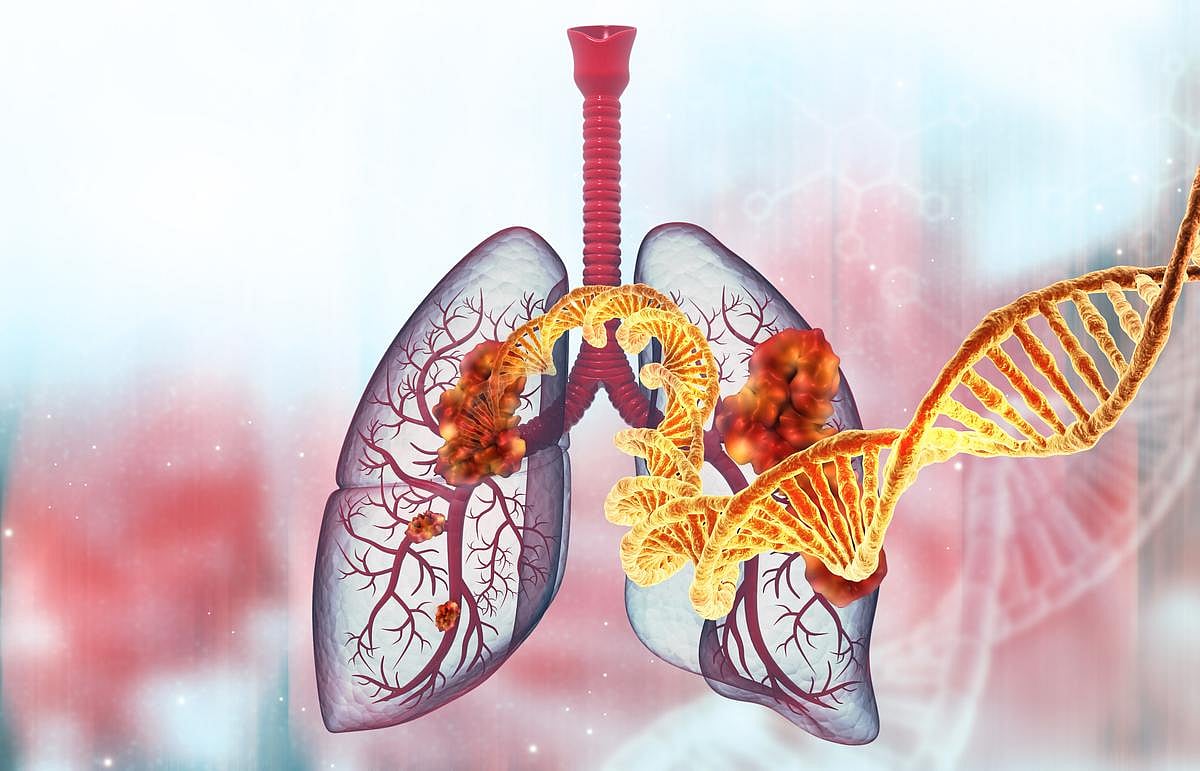 Gene Mutation Identified That Increases Lung Cancer Risk
  Nighttime Light Exposure Linked to Sleep Parameters in Schizophrenia
 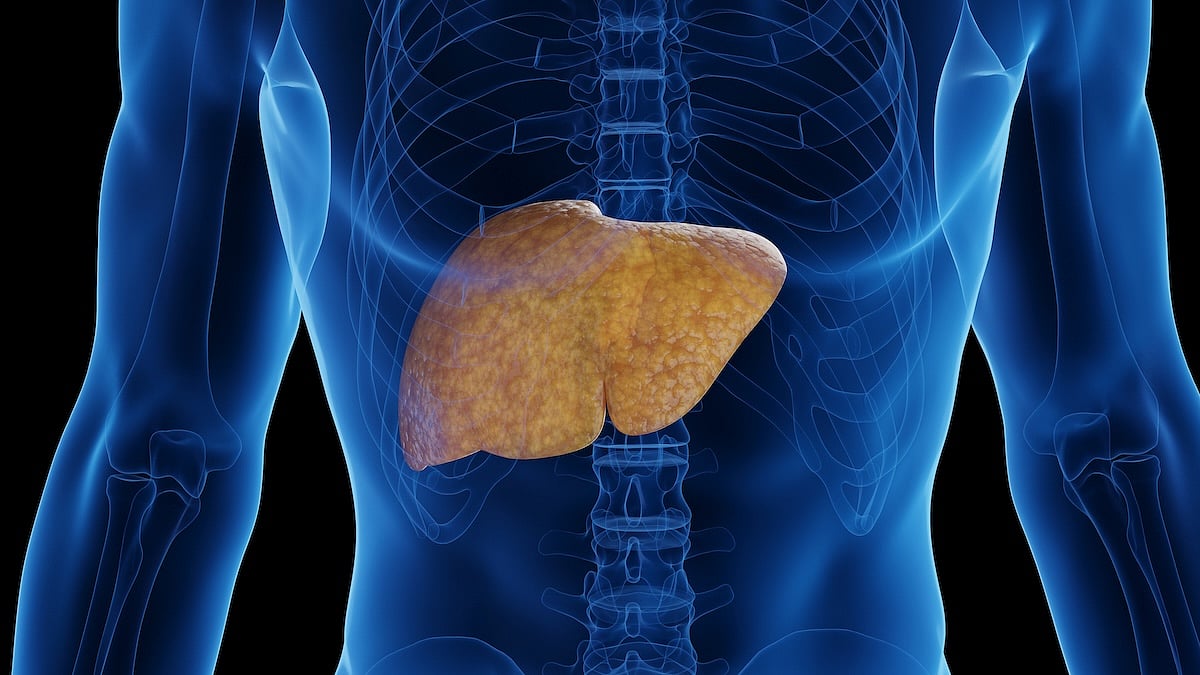 Genetics, Diabetes Tied to MASLD-Associated Cirrhosis Before Age 50
  Family History of CRC Increases CRC Risk Similarly in IBD, General Population
  Personalized Support Boosts Families" Genetic Testing for Hereditary Cancers
  Serum 25(OH)D May Serve as Biomarker of Disease Activity in IBD
  Surveillance Colonoscopy at Five Years After Adenoma Removal Noninferior to Three Years
  Relapse Rare After Appendiceal Adenocarcinoma Resection


.jpg)

