.jpeg)
Intervention participants were more likely to complete screening and to have detection of advanced colorectal neoplasia
WEDNESDAY, Dec. 4, 2024 (HealthDay News) — A centralized colorectal cancer (CRC) screening outreach intervention involving mailed fecal immunochemical tests (FITs) is effective for increasing screening completion and detection of advanced colorectal neoplasia, according to a study published online Nov. 25 in JAMA Network Open.
Daniel S. Reuland, M.D., M.P.H., from the University of North Carolina at Chapel Hill, and colleagues examined the effectiveness of a centralized CRC screening outreach intervention involving mailed FIT outreach and patient navigation to colonoscopy after abnormal FIT results. Patients were enrolled and randomly assigned to usual care alone (control group) or intervention (2,001 participants per group). Intervention participants received mailed screening outreach materials including an introductory letter, FIT kit packet with instructions and return postage, and two reminder letters if necessary, in addition to usual care. Navigation to facilitate follow-up colonoscopy was offered to intervention participants with positive results of mailed FIT.
The researchers found that intervention participants were more likely than controls to complete screening within six months of randomization (30.0 versus 9.7 percent). The intervention was found to be effective in all insurance types. Overall, 68.8 percent of the 48 participants with positive FIT results in the intervention arm completed follow-up colonoscopy within six months compared with 44.4 percent of 18 participants in the control arm. Advanced colorectal neoplasia was detected in 1.4 and 0.7 percent of intervention and control participants, respectively.
“We found that a centralized mailed FIT outreach intervention and patient navigation effectively increased CRC screening among diverse populations served by independent federally qualified health centers,” the authors write.
Several authors disclosed ties to the biopharmaceutical industry.
 Surveillance Colonoscopy at Five Years After Adenoma Removal Noninferior to Three Years
 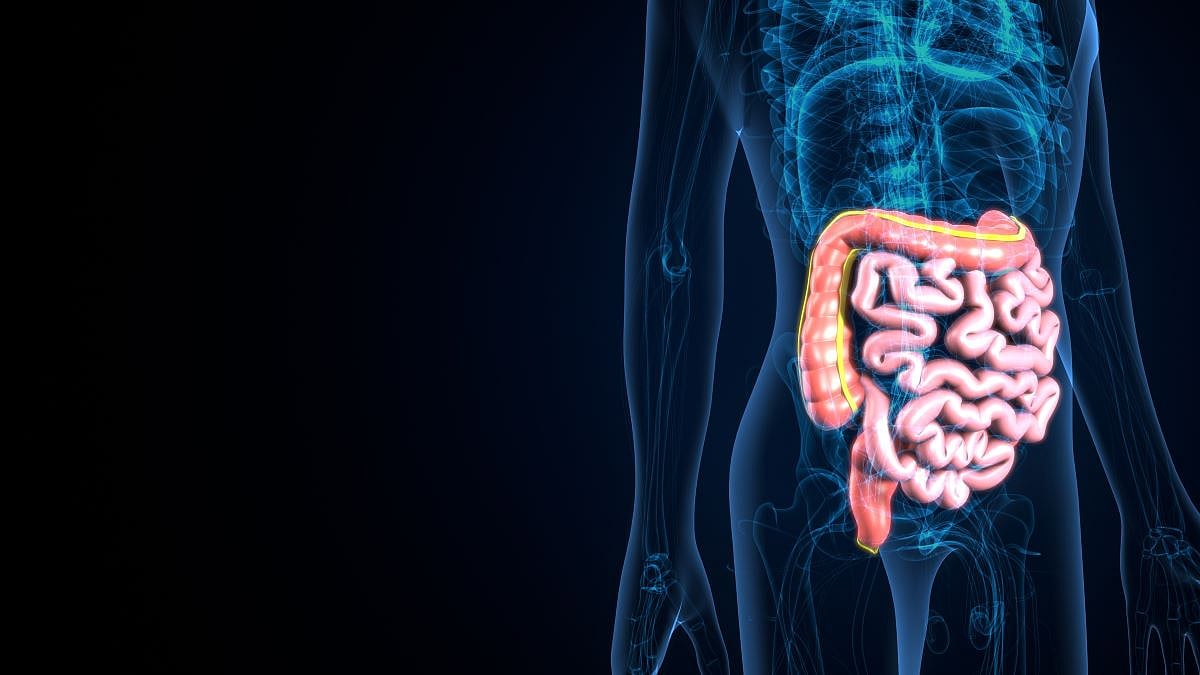 Family History of CRC Increases CRC Risk Similarly in IBD, General Population
  Retinal Imaging Can ID Atrial Fibrillation Years Before Diagnosis
  U.S. Adults May Not Understand Their Risk for Vascular Disease
 .jpg) Mortality Lowest at Hemoglobin Concentrations Above WHO Thresholds
Mortality Lowest at Hemoglobin Concentrations Above WHO Thresholds  Autism Spectrum Disorder Diagnoses Increased for Females Since 2020
  Machine Learning Model IDs Heart Failure With Reduced Ejection Fraction Using Routine Lab Indicators
  Onset of Mortality, Morbidity Delayed for Offspring of Centenarians