


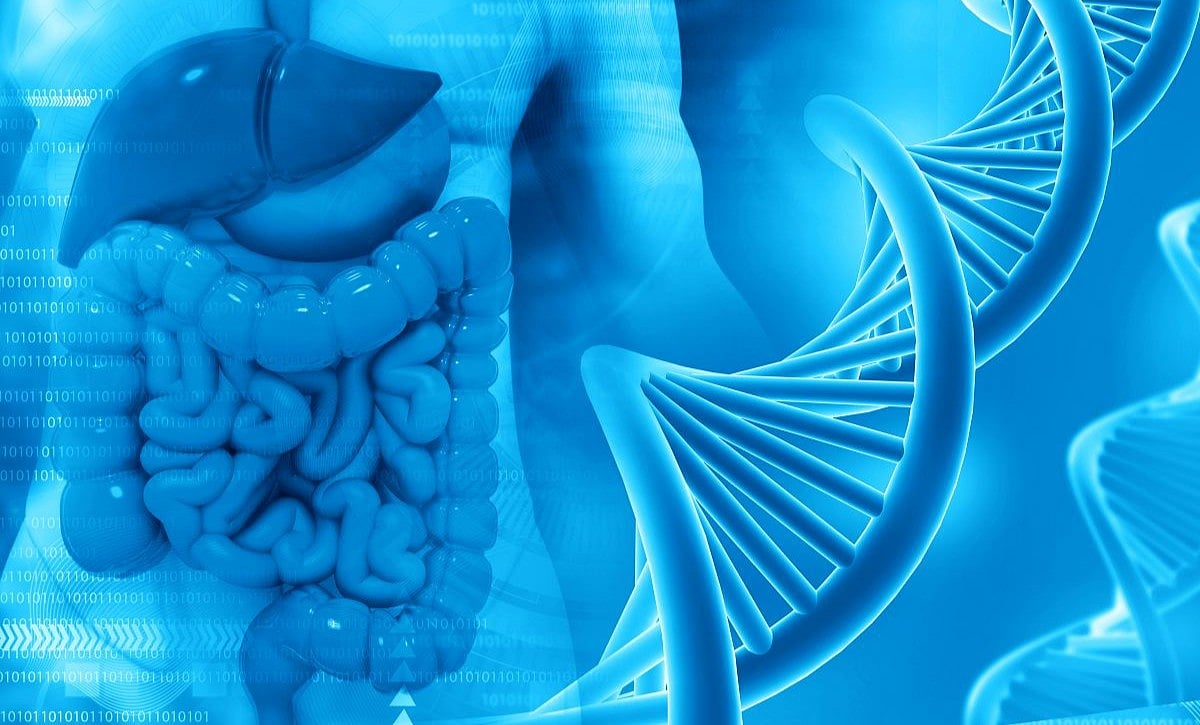
HLA-DRB1*01:03 linked to severe outcomes, including colonic resection in Crohn, colectomy in UC or IBD unclassified
WEDNESDAY, June 24, 2026 (HealthDay News) — For patients with Crohn disease or ulcerative colitis, HLA-DRB1*01:03 is a genetic determinant of severe disease, according to a study published online June 15 in The Lancet Gastroenterology and Hepatology.
Qian Zhang, Ph.D., from the Wellcome Sanger Institute in the United Kingdom, and colleagues used data from 43,762 patients with inflammatory bowel disease (IBD) from more than 100 U.K. hospitals to reappraise the contribution of HLA-DRB1*01:03 across the full spectrum of IBD subphenotypes.
The researchers found that 4.6 percent of the patients harbored HLA-DRB1*01:03, which was associated with multiple severe outcomes in adjusted models, including colonic resection in Crohn disease (odds ratio, 1.35), colectomy in ulcerative colitis or IBD unclassified (odds ratio, 1.99), perianal disease in Crohn disease and in ulcerative colitis or IBD unclassified (odds ratios, 1.65 and 1.70, respectively), and advanced therapy use in Crohn disease and in ulcerative colitis or IBD unclassified (odds ratios, 1.33 and 2.17, respectively). Associations were seen for HLA-DRB1*01:03 and younger-onset ulcerative colitis or IBD unclassified and older-onset Crohn disease. There were also associations for HLA-DRB1*01:03 with earlier development of perianal Crohn disease, earlier need for colonic surgery in Crohn disease, and earlier colectomy in ulcerative colitis or IBD unclassified (hazard ratios, 1.61, 1.43, and 1.69, respectively). In patients with Crohn disease and in those with ulcerative colitis or IBD unclassified, HLA-DRB1*01:03 carriers initiated advanced therapy earlier (hazard ratios, 1.37 and 1.82, respectively); across IBD phenotypes, they also had an increased risk for advanced therapy failure (hazard ratio, 1.23).
“This study brings us one step closer to personalized medicine, and to building predictors of disease severity in IBD patients,” co-senior author James C. Lee, M.D., from University College London, said in a statement.
Several authors disclosed ties to the biopharmaceutical industry.
 Serum 25(OH)D May Serve as Biomarker of Disease Activity in IBD
  IBD Not Linked to Risk for Hypertensive Disorders of Pregnancy Overall
  Gene Mutation Identified That Increases Lung Cancer Risk
  Genetics, Diabetes Tied to MASLD-Associated Cirrhosis Before Age 50
  GLP-1 Receptor Agonists, SGLT-2is Slow Renal Function Decline in T2D With Albuminuria
  Steatotic Liver Disease Risk Scores Compared for Predicting Cirrhosis
  Cirrhosis Can Recur After Liver Transplant
  Family History of CRC Increases CRC Risk Similarly in IBD, General Population


.jpg)

