Questions remain for whether the respiratory benefits are independent of weight loss
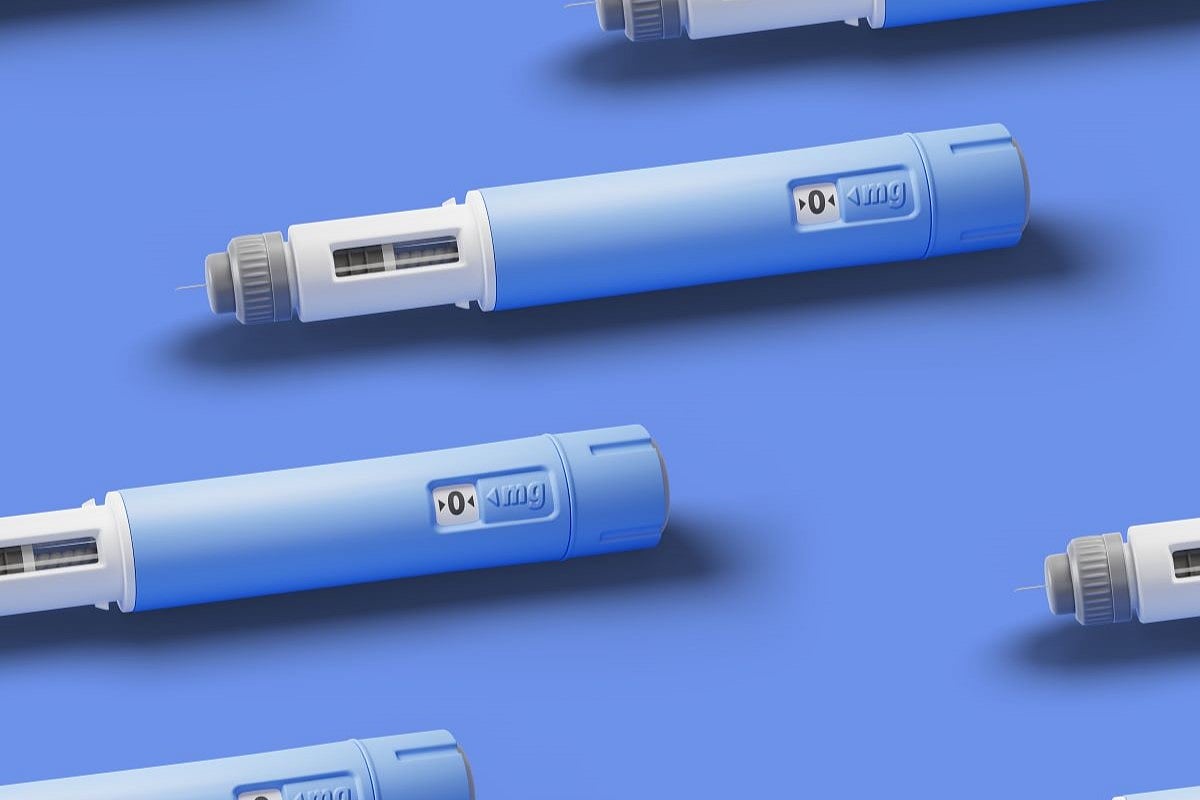
THURSDAY, Jan. 8, 2026 (HealthDay News) — Glucagon-like peptide-1 receptor agonist (GLP-1 RA) use is associated with a lower risk for acute asthma exacerbations in adolescents with overweight or obesity, according to a research letter published online Dec. 29 in JAMA Network Open.
Yung-Chieh Huang, M.D., from Taichung Veterans General Hospital in Taiwan, and colleagues investigated the association between GLP-1 RA use and the risk for acute asthma exacerbations in a clinical cohort of 1,070 propensity-matched adolescents aged 12 to 18 years with overweight or obesity.
The researchers found that during 12 months of follow-up, acute asthma exacerbations were significantly less frequent in the GLP-1 RA group versus the control group (5.4 versus 10.7 percent; relative risk [RR], 0.51). GLP-1 RA use was also associated with a lower incidence of asthma-related emergency department visits (1.5 versus 3.6 percent; RR, 0.42). The GLP-1 RA group had fewer prescriptions for systemic corticosteroids (20.7 versus 31.4 percent; RR, 0.66) and for inhaled short-acting beta-2 agonists (32.3 versus 44.7 percent; RR, 0.72). However, among patients who experienced at least one exacerbation, the groups were similar with respect to the mean number of subsequent events over 12 months (1.83 versus 2.02).
“Prospective studies are needed to clarify whether these respiratory benefits are independent of weight loss,” the authors write.
 Use of SAMA, SABA Linked to Cardiovascular Events, Mortality in Asthma, COPD
  Trends Reported in Vaccination Coverage for Adolescents for 2025
  Aerobic Training, Behavioral Interventions Both Clinically Improve Asthma Control
  Social Media Warnings Could Discourage Use Among Teens, Young Adults
  Digital Behavioral Health Game Reduces Depressive Symptoms in Teens
 .jpeg) Flu Treatment With Oseltamivir Linked to Reduced Risk for Pediatric ICU Admissions, Length of Stay
Flu Treatment With Oseltamivir Linked to Reduced Risk for Pediatric ICU Admissions, Length of Stay  4CMenB Vaccine Confers Modest Protection Against Gonorrhea in Teens
  Reinitiating Obesity Meds After Bariatric Surgery Tied to Greater One-Year Weight Loss in Youths