


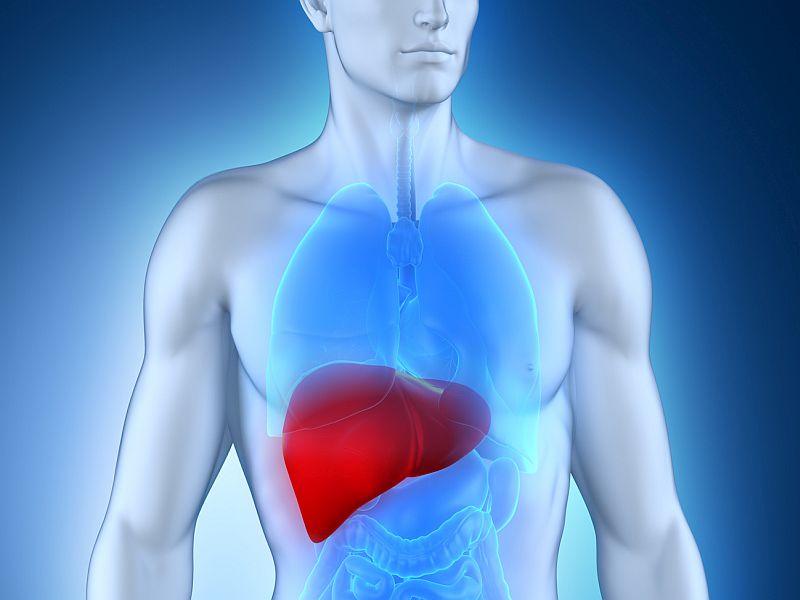
 Nonalcoholic steatohepatitis might act as risk factor for development of Epsom salt-related liver injury
TUESDAY, Oct. 3, 2017 (HealthDay News) — Epsom salt intake can lead to severe liver injury in predisposed patients, according to a case study published online Oct. 2 in BMJ Case Reports.
Cyriac Abby Philips, M.D., from PVS Memorial Hospital in India, and colleagues documented the case of a patient who consumed Epsom salt in large quantities within a short period of time (3 tablespoons with lukewarm water for 15 days) as naturopathic treatment for gallstones.
The patient, a 38-year-old nonalcoholic man without diabetes, presented with jaundice. Blood investigations revealed a platelet count of 190, total bilirubin of 12.8, direct bilirubin of 6.9, aspartate aminotransferase of 508, alanine aminotransferase of 228, alkaline phosphatase of 178, albumin of 4.2, and international normalized ratio of 1.1. Tests showed no sign of viral hepatitis viruses, cytomegalovirus, Epstein-Barr, herpes simplex viruses, autoimmune hepatitis, or IgG4. Computed tomography of the upper abdomen showed only hepatomegaly with mild periportal oedema. Percutaneous liver biopsy revealed dense portal-based expansile reactive fibrosis and associated necrosis with mixed cellular inflammation without evidence of acute drug-induced liver injury. Unlike cases of chronically exposed patients, he demonstrated a predominantly necrotic and dense reactive fibrotic type of injury.
“We believe that underlying nonalcoholic steatohepatitis potentiated extensive liver injury in our patient, which resolved on stopping the offending agent,” conclude the authors.
 Steatotic Liver Disease Risk Scores Compared for Predicting Cirrhosis
  Cirrhosis Can Recur After Liver Transplant
  Increase Seen in Rates of Xenobiotic-Induced Liver Injury From 2020 to 2024
  Impact of Alcohol Intake on Fibrosis Risk Varies by Sex, Liver Disease
  Link Between Liver Fibrosis in MASLD, ASCVD Varies by Glycemic Status
  Higher Coffee Consumption Linked to Favorable Indicators of Liver Health
  Stepped Alcohol Treatment Via Telehealth Reduces Alcohol Use
  New Model Performs Well for Detecting Alcohol-Associated Liver Disease


.jpg)

