Here are what the editors at HealthDay consider to be the most important developments in Diabetes & Endocrinology for November 2018. This roundup includes the latest research news from journal articles, as well as the FDA approvals and regulatory changes that are the most likely to affect clinical practice.
Family Functioning Does Not Impact Family Dinner, Diet Link
FRIDAY, Nov. 30, 2018 (HealthDay News) — Among adolescents and young adults, family dinner frequency is associated with healthful dietary intake, regardless of family functioning, according to a study published online Nov. 21 in JAMA Network Open.
Rotating Night Shift Work, Lifestyle Factors Linked to T2DM
FRIDAY, Nov. 30, 2018 (HealthDay News) — Both rotating night shift work and unhealthy lifestyle are associated with an increased risk for type 2 diabetes among female nurses, with a significant additive interaction, according to a study published online Nov. 21 in the BMJ.
Higher Cardiovascular Risk Seen With Psoriatic Arthritis
FRIDAY, Nov. 30, 2018 (HealthDay News) — Cardiovascular risk should be carefully evaluated in patients with psoriatic arthritis, according to a study published online Nov. 5 in the International Journal of Rheumatic Diseases.
Abstract/Full Text (subscription or payment may be required)
Care for Chronic Kidney Disease Varies Across VA Facilities
FRIDAY, Nov. 30, 2018 (HealthDay News) — For veterans with diabetes and concomitant chronic kidney disease (CKD), CKD care, including ordering laboratory tests and scheduling nephrology referrals, varies considerably by facility, according to a study published online Nov. 29 in the Clinical Journal of the American Society of Nephrology.
Abstract/Full Text (subscription or payment may be required)
Editorial (subscription or payment may be required)
Several Risk Factors More Strongly Linked to MI in Women
FRIDAY, Nov. 30, 2018 (HealthDay News) — The incidence of myocardial infarction (MI) is higher in men than women, but several risk factors are more strongly linked to MI in women, according to a study published online Nov. 7 in The BMJ.
Bone Indices on CT Scan Predict Fracture Risk in Older Adults
FRIDAY, Nov. 30, 2018 (HealthDay News) — High-resolution peripheral quantitative computed tomography (HR-pQCT) indices improve prediction of fracture beyond bone mineral density and Fracture Risk Assessment Tool (FRAX) scores in older adults, according to a study published online Nov. 28 in The Lancet Diabetes & Endocrinology.
Abstract/Full Text (subscription or payment may be required
Editorial (subscription or payment may be required)
Certain SGLT2 Inhibitors, GLP-1 RAs for T2DM Also Cut CV Risk
 Very Low-Carb Diet Shows Greater Cardiometabolic Benefits Than Other Diets
 .jpg) Time-Restricted Eating May Help Patients With Type 1 Diabetes
Time-Restricted Eating May Help Patients With Type 1 Diabetes  Vascular Burden in Midlife Linked to Increased Risk for Dementia, Death
  GLP-1 Receptor Agonists Tied to Increased Risk for Alopecia
  Food-Based Support Aids Type 2 Diabetes Outcomes
  Hypoglossal Nerve Stimulation May Offer Long-Term Cardiovascular Benefits in OSA
  Burden of Myocardial Dysfunction Elevated for Individuals With Psoriasis
 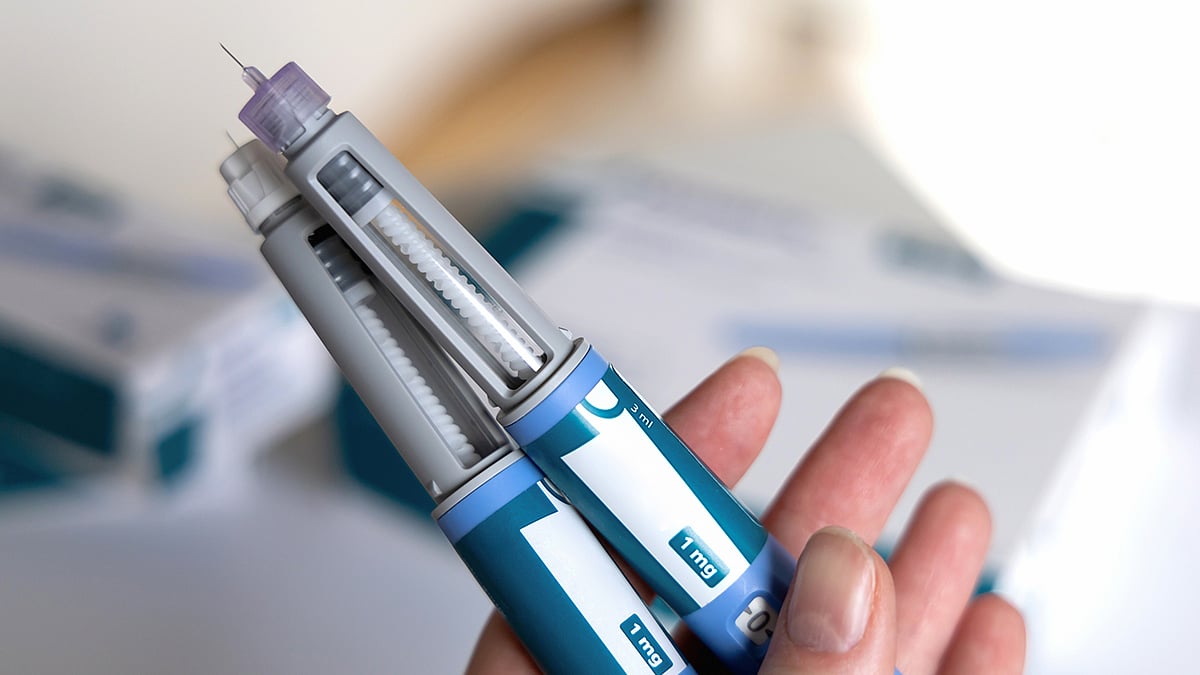 2017 to 2022 Saw More Than Doubling in Use of GLP-1 Receptor Agonists