


Evidence-based therapies remain underutilized in eligible patients
MONDAY, Oct. 6, 2025 (HealthDay News) — The lifetime risk for heart failure has increased to 24 percent, according to a report published online Sept. 22 in the Journal of Cardiac Failure.
Gregg C. Fonarow, M.D., from the University of California in Los Angeles, and colleagues from the Heart Failure Society of America updated the annual report Heart Failure Epidemiology and Outcomes Statistics. The writing group members reviewed available published data regarding U.S. trends in heart failure epidemiology, incidence, and prevalence. They also looked at rates of heart failure and all-cause mortality and hospitalizations, along with differences by sex, race/ethnicity, and age.
The group reports that the prevalence of heart failure is expected to rise to 8.7 million in 2030. Both age-adjusted heart failure incidence and prevalence are higher among Black individuals versus other racial and ethnic groups. Nearly one in four individuals will develop heart failure in their lifetime. Heart failure contributed to 45 percent of cardiovascular deaths in the United States in 2022. Black, American Indian, and Alaska Native individuals have the highest all-cause, age-adjusted heart failure mortality rates of any racial and ethnic groups. Managing heart failure is costly, with projected estimated total heart failure-related expenses reaching $858 billion by 2050. Fewer than one in four eligible patients with heart failure and reduced ejection fraction receive quadruple guideline-directed medical therapy.
“Heart failure is a growing epidemic affecting millions of individuals across all demographics,” Fonarow said in a statement. “With a surge in mortality and continued underutilization of evidence-based therapies, it is imperative to prioritize improvements in the prevention, diagnosis, and treatment of heart failure.”
 Elevated C-Reactive Protein Linked to Increased Risk for Incident Heart Failure, All-Cause Mortality
  UACR, UPCR Provide Indistinguishable Prognostic Information in CKD
  Use of SAMA, SABA Linked to Cardiovascular Events, Mortality in Asthma, COPD
 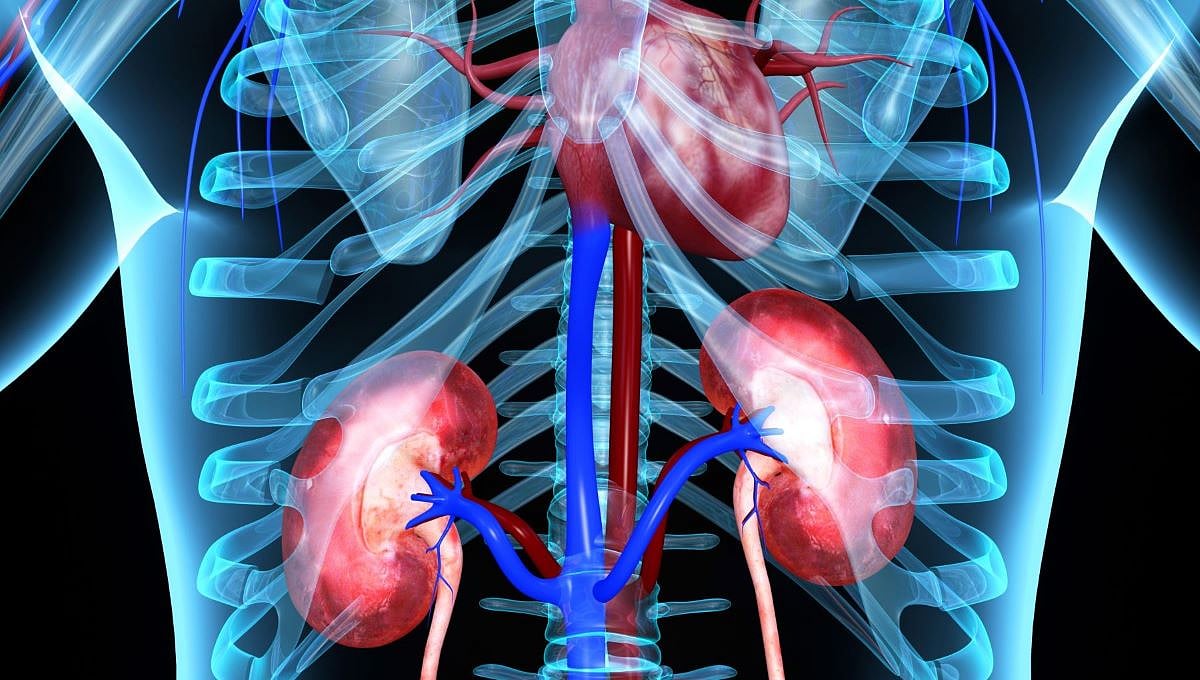 2011 to 2021 Saw Heart Failure-Related Hospitalization Rise in CKD
  GLP-1 Receptor Agonists, SGLT-2is Slow Renal Function Decline in T2D With Albuminuria
 .jpeg) 1997 to 2022 Saw Increase in Pediatric Hospitalizations With AKI
1997 to 2022 Saw Increase in Pediatric Hospitalizations With AKI  Early Complications Common in Older Kidney Transplant Recipients
  Frailty Linked to Incident Cognitive Decline in Men With CKD


.jpg)

