


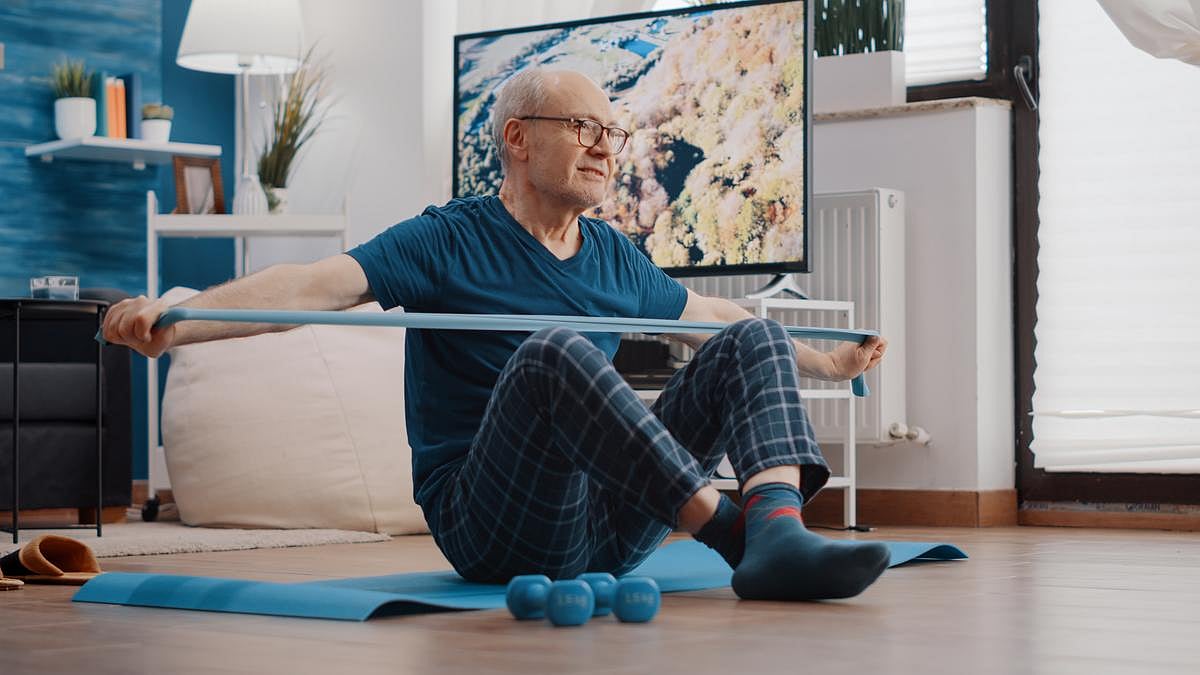
Particularly when performed consistently over midlife and combined with adequate aerobic activity and limited sedentary television viewing
THURSDAY, July 2, 2026 (HealthDay News) — Resistance training is associated with substantially lower type 2 diabetes risk (T2D) among U.S. adults, according to a study published online June 22 in JAMA Network Open.
Tianyue Zhang, M.D., from Zhejiang University School of Medicine in China, and colleagues examined the association of long-term resistance training with risk of incident T2D. Analysis included 143,715 adults participating in the Nurses” Health Study (June 30, 2002, to June 30, 2021), the Nurses” Health Study II (June 30, 2003, to June 30, 2021), and the Health Professionals Follow-up Study (June 30, 1992, to June 30, 2021).
The researchers found that over a mean 19.2 years of follow-up, engaging in two or more hours per week of resistance training was associated with a lower T2D risk (hazard ratio [HR], 0.73), compared with no resistance training. Participants with consistently high levels of resistance training (≥0.5 hours/week across midlife) had lower T2D risk (HR, 0.58). Additionally, a low to high pattern was associated with a lower risk (HR, 0.79) than consistently low levels of resistance training. The lowest T2D risk was seen among participants who met recommendations for both aerobic activity (≥15 total metabolic equivalent hours/week) and resistance training (≥1 hour/week), and limited television viewing (<2 hours/day; HR, 0.38), when compared to those meeting none of the recommendations.
“These findings support the inclusion of resistance training as a key component of lifestyle recommendations for diabetes prevention,” the authors write.
 Physical Activity Linked to Slower Cognitive, Motor Progression in Parkinson Disease
  Air Pollution Does Not Impair Benefits of Walking in Reducing COPD Exacerbation Rate
 .jpg) Pregnancy Complications Linked to Subsequent Risk for Cardiometabolic-Renal Conditions
Pregnancy Complications Linked to Subsequent Risk for Cardiometabolic-Renal Conditions  Exercise Intervention Linked to Improved Attention, Memory in Breast Cancer
 .jpg) Cancer Survivors Have Lower Levels of Physical Activity
Cancer Survivors Have Lower Levels of Physical Activity  Childhood Cancer Survivors Often Have Mental Distress in Adulthood
  Mindfulness, Tai Chi May Benefit Cancer Survivors
  Blinatumomab Improves Event-Free Survival in Children With High-Risk B-Cell ALL
.jpg)



