Findings for primary tumors of 0.8 to 1.0 mm versus those <0.8 mm
FRIDAY, Dec. 13, 2024 (HealthDay News) — Risk of 20-year melanoma-related death increases significantly for patients with primary tumors of 0.8 to 1.0 mm in thickness, according to a study published online Dec. 11 in JAMA Dermatology.
Serigne N. Lo, Ph.D., from the University of Sydney, and colleagues assessed the relative effect of a 0.8-mm Breslow thickness threshold with respect to the incidence of both melanoma-related and nonmelanoma-related death. Analysis included registry data for 144,447 individuals diagnosed with thin invasive primary melanomas between 1982 and 2014.
The researchers found that crude incidence rates of melanoma-related death 20 years after diagnosis were 6.3 percent for the whole cohort, 6.0 percent for tumors <0.8 mm, and 12.0 percent for tumors 0.8 to 1.0 mm. The corresponding 20-year melanoma-specific survival rates were 91.9 percent overall and 94.2 and 87.8 percent, respectively, across tumor sizes. Tumor thickness of 0.8 to 1.0 mm was significantly associated with both a greater absolute risk of melanoma-related death (subdistribution hazard ratio, 2.92), as well as a greater rate of melanoma-related death (hazard ratio, 2.98), compared to thinner tumors (<0.8 mm). There was no association seen between risk of death from nonmelanoma-related causes and Breslow thickness.
“The findings of this large-scale population-based analysis suggest the separation of risk for patients with melanomas with a Breslow thickness above and below 0.8 mm,” the authors write.
Several authors disclosed ties to the pharmaceutical industry.
Abstract/Full Text (subscription or payment may be required)
 Blinatumomab Improves Event-Free Survival in Children With High-Risk B-Cell ALL
  Structured Exercise Should Be Considered as Adjunct Therapy for Cancer
  Adverse Pathological Features Do Not Predict Benefit of Hormone Therapy in Prostate Cancer
 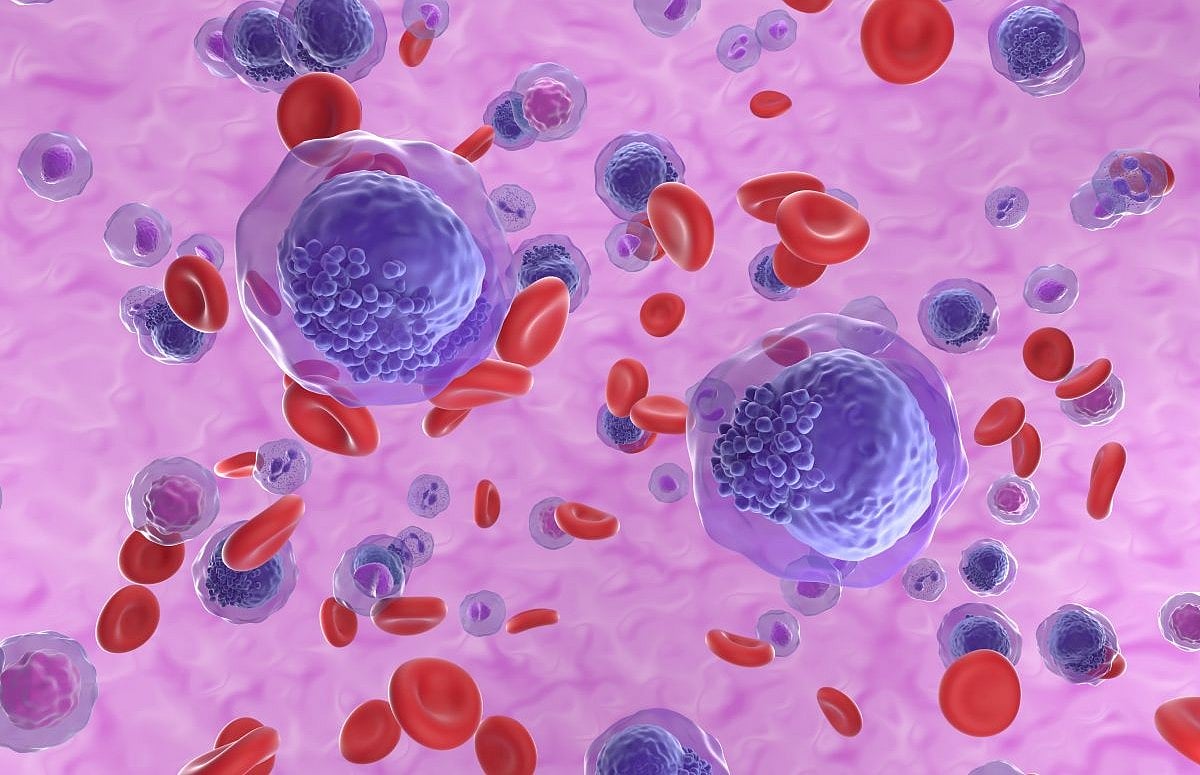 Azacitidine + Venetoclax Tied to Improved Event-Free Survival in Adults With AML
  Study IDs Risk Factors for Ketoacidosis in Adults With T2D Receiving SGLT2 Inhibitors
  Cancer Drug Shortages Persist at All Cancer Centers
  Anifrolumab Tied to Lower Hospitalization, Infection Risk in Lupus
  Relapse Rare After Appendiceal Adenocarcinoma Resection