


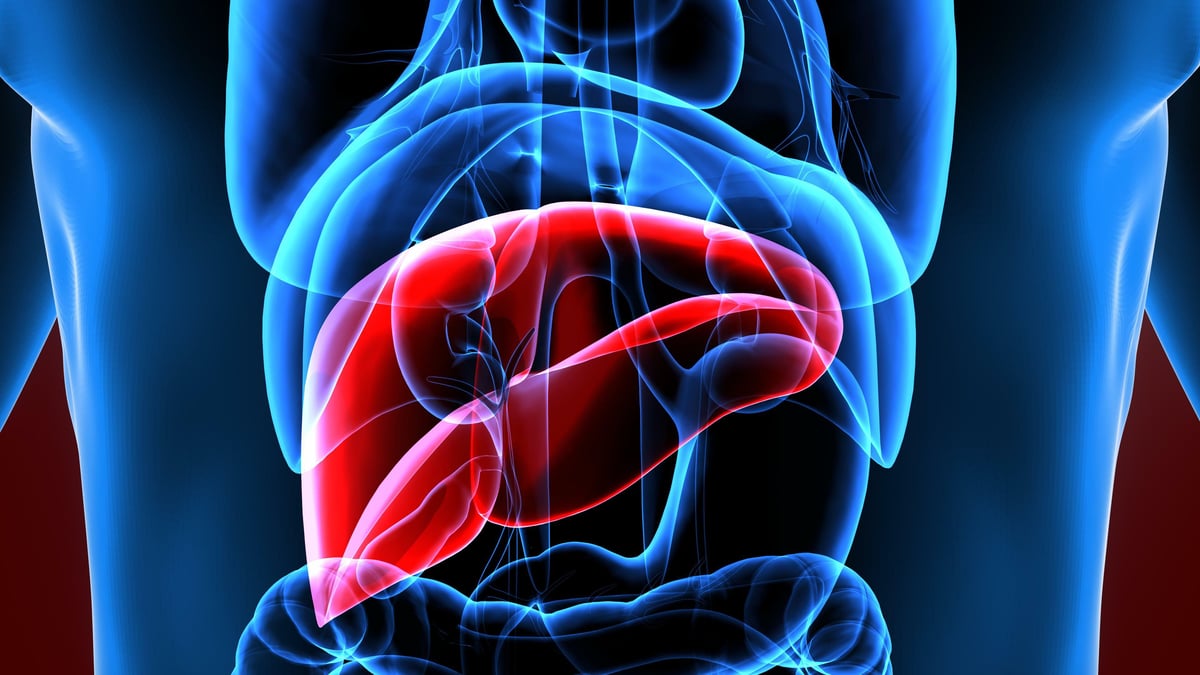
One-, five-, 10-year patient survival was 92.6, 82.8, 70.0 percent in United States; 96.1, 89.9, and 82.2 percent in Canada
TUESDAY, Oct. 4, 2022 (HealthDay News) — Utilization of living-donor liver transplantation (LDLT) is low in the United States, Canada, and the United Kingdom, but long-term survival is high, according to a study published online Sept. 25 in the Journal of Hepatology.
Tommy Ivanics, M.D., from University Health Network Toronto, and colleagues conducted a retrospective, multicenter cohort study of adults who underwent primary LDLT between January 2008 and December 2018 from the national liver transplantation registries in the United States, United Kingdom, and Canada. Posttransplant survival was examined for 2,954 LDLTs.
The researchers found that over time, Canada maintained the highest proportion of LDLT utilization (proportion of LDLT: 3.3, 19.5, and 1.7 percent in the United States, Canada, and the United Kingdom in 2008, and 5.0, 13.6, and 0.4 percent, respectively, in 2018). Patient survival at one, five, and 10 years was 92.6, 82.8, and 70.0 percent in the United States; 96.1, 89.9, and 82.2 percent in Canada; and 91.4, 85.4, and 66.7 percent in the United Kingdom, respectively. All countries had a nonstatistically significantly different mortality hazard post-LDLT after adjustment for characteristics of donor, recipients, transplant year, and treating transplant center as a random effect.
“This study offers support for increasing the use of LDLT in Western countries because it provides an opportunity to reduce the imbalance between organ supply and demand and, as a result, offers waitlist candidates the possibility of earlier transplantation and decreased mortality on the transplant waitlist,” a coauthor said in a statement.
One author disclosed financial ties to the pharmaceutical industry.
Abstract/Full Text (subscription or payment may be required)
 Early Complications Common in Older Kidney Transplant Recipients
  Steatotic Liver Disease Risk Scores Compared for Predicting Cirrhosis
  Cirrhosis Can Recur After Liver Transplant
  Biomarkers Plus Kidney Donor Profile Index Improve Prediction of Concordant Allograft Outcomes
  GLP-1 Receptor Agonists, SGLT-2is Slow Renal Function Decline in T2D With Albuminuria
 .jpeg) 1997 to 2022 Saw Increase in Pediatric Hospitalizations With AKI
1997 to 2022 Saw Increase in Pediatric Hospitalizations With AKI  Frailty Linked to Incident Cognitive Decline in Men With CKD
  UACR, UPCR Provide Indistinguishable Prognostic Information in CKD


.jpg)

