Reduction in cardiac event/mortality risk seen in patients evaluated for acute coronary syndrome
TUESDAY, May 27, 2025 (HealthDay News) — For patients evaluated for acute coronary syndrome, replacing sedentary behavior with sleep, light-intensity physical activity, or moderate- to vigorous-intensity physical activity is associated with a lower risk for one-year cardiac events/mortality, according to a study published online May 19 in Circulation: Cardiovascular Quality and Outcomes.
Keith M. Diaz, Ph.D., from the Columbia University Medical Center in New York City, and colleagues examined the association between sedentary behavior and one-year cardiac events/mortality among participants presenting to the emergency department of a New York City hospital with acute coronary syndrome symptoms. For 30 days postdischarge, sedentary behavior, light-intensity physical activity, moderate-to-vigorous physical activity, and sleep were measured. At one-year postdischarge, cardiac events and all-cause mortality were ascertained.
The researchers found that 8.2 percent of 609 participants experienced a cardiac event or died within one year. There was an association seen for sedentary time with an increased risk for cardiac events/mortality (tertile 2 [of three tertiles, with tertile 1 representing the lowest sedentary time and tertile 3 the highest]: hazard ratio, 0.95 [95 percent confidence interval, 0.37 to 2.40]; tertile 3: hazard ratio, 2.58 [95 percent confidence interval, 1.11 to 6.03]). Replacing 30 minutes of sedentary time with sleep, light-intensity physical activity, or moderate-to-vigorous physical activity was associated with lower cardiac event/mortality risk in isotemporal substitution analyses (hazard ratios [95 percent confidence intervals], 0.86 [0.78 to 0.95], 0.49 [0.32 to 0.75], and 0.39 [0.16 to 0.96], respectively).
“We were surprised that replacing sedentary time with sleep also lowered risk. Sleep is a restorative behavior that helps the body and mind recover, which is especially important after a serious health event like a heart attack,” Diaz said in a press release. “Our study indicates that one doesn’t have to start running marathons after a cardiovascular event to see benefits. Sitting less and moving or sleeping a little more can make a real difference. More physical activity and more sleep are healthier than sitting, so we hope these findings support health professionals to move toward a more holistic, flexible and individualized approach for physical activity in patients after a heart attack or chest pain.”
Abstract/Full Text (subscription or payment may be required)
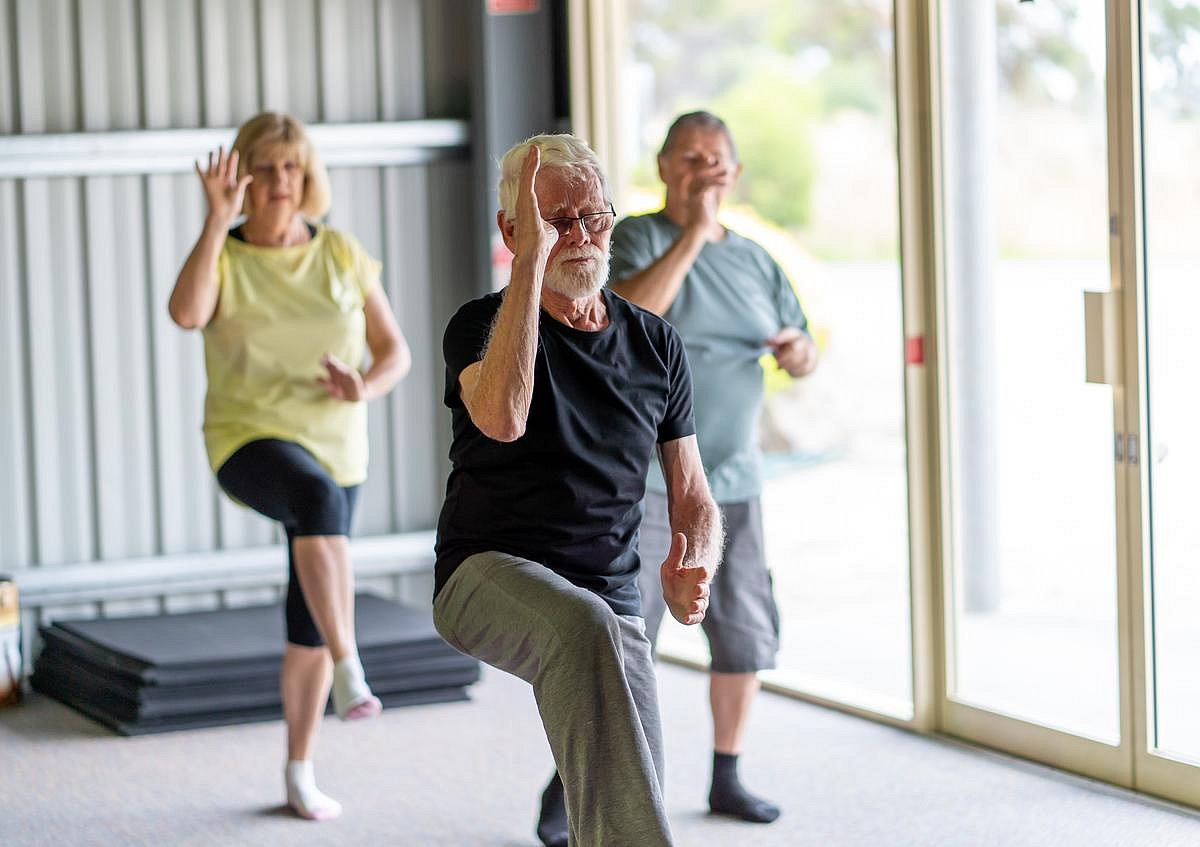 Mindfulness, Tai Chi May Benefit Cancer Survivors
 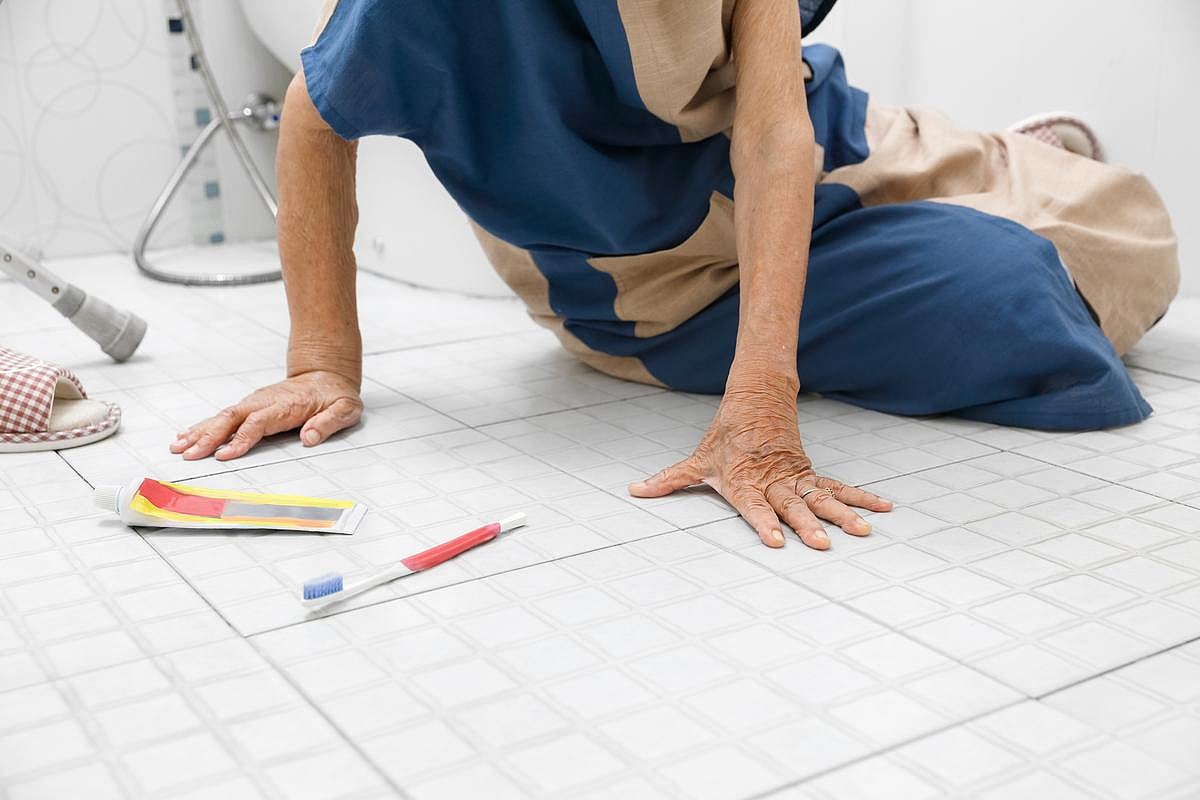 Multicomponent Interventions Offer Little Impact on Fall Risk
  Structured Exercise Should Be Considered as Adjunct Therapy for Cancer
  Strength Training Not Tied to Ventricular Arrhythmia in Those With Arrhythmogenic Cardiomyopathy
  Smartwatches Significantly Overestimate How Many Calories Are Burned
  Stair Climbing Associated With Reduction in Cardiovascular, All-Cause Mortality
  Physical Activity Reduces Stroke, Mortality, Regardless of A-Fib
 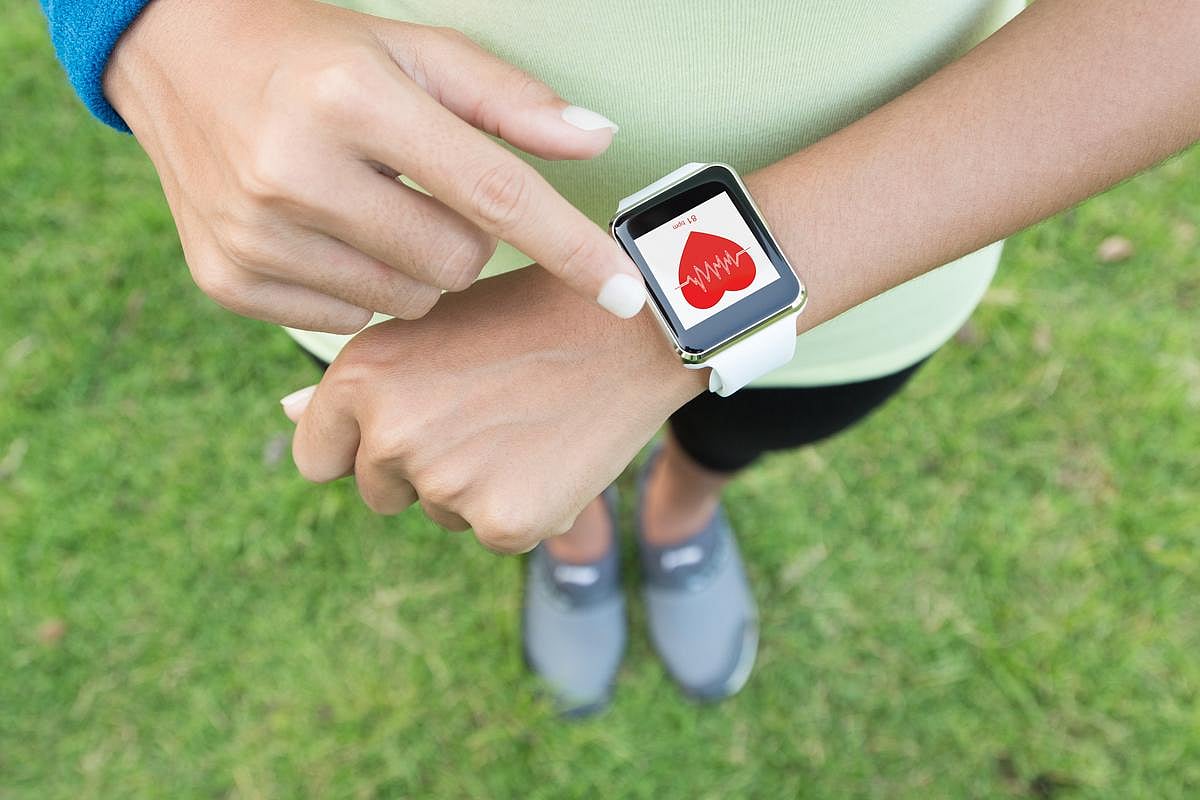 Smartphone Apps, Wearables Boost Activity in People With Cardiovascular Disease