
1 in 4 teens, adults living with Tourette syndrome or other tic disorder have attempted suicide
THURSDAY, June 18, 2026 (HealthDay News) — One in four teens and adults living with Tourette syndrome (TS) or another tic disorder have attempted suicide at some point in their lives, according to a survey released June 11 by the Tourette Association of America.
The web-based survey, conducted in the summer of 2025, included results from 1,368 respondents.
The survey revealed that 18 percent of adults and 20 percent of teens living with TS or another tic disorder reported recently feeling that they and their families would be better off if they were dead. The condition impacts nearly every aspect of patients” lives. For example, 82 percent of adults and 69 percent of teens reported physical pain because of their tics, and 71 percent and 69 percent, respectively, reported discrimination due to their tics. Despite needing to try five or more prescribed medications to manage their symptoms (17 percent of teens), 41 percent of adults and 45 percent of teens reported their tics were not well managed. Further, the majority of adults and teens reported it took longer than a year to receive a diagnosis (84 percent and 76 percent, respectively). Lastly, 18 percent of parents or guardians reported quitting their job, changing their job, or reducing their hours worked to care for a child with tics, and 28 percent reported struggling to cover the high costs of related services such as counseling, appointments, and tutoring.
“The findings in the 2026 Impact Survey Report are a call to action that demonstrate just how much we still need to do to ensure people living with TS and other tic disorders get the support that they deserve,” Ian Lang, president and CEO of the Tourette Association of America, said in a statement. “Stigma, discrimination, financial hardship, and limited access to needed services are still the reality for too many.”
 People Using Illicitly Sourced Fentanyl Face Worse Outcomes Than Medically Sourced Users
  CDC: Buprenorphine Treatment Differs in Urban, Rural Areas
 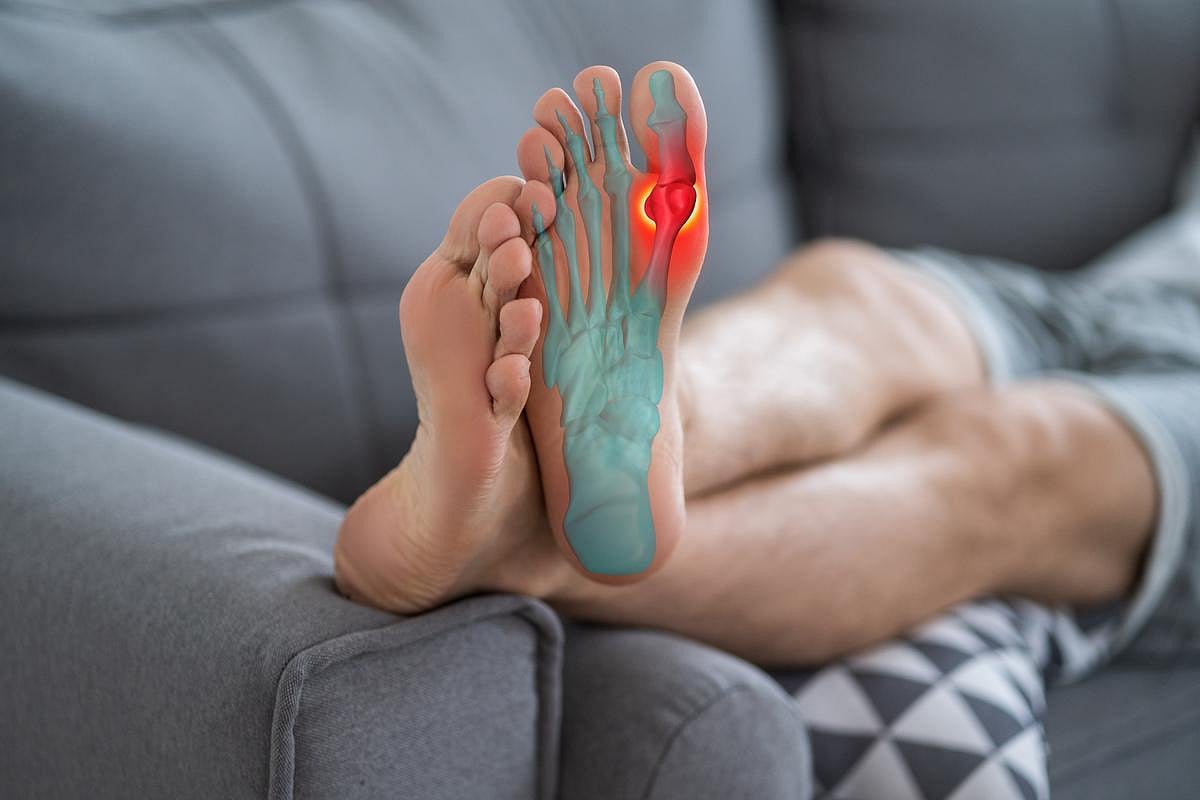 First Metatarsophalangeal Joint Arthrodesis Eases Painful Hallux Rigidus
  Botox Helpful in Alleviating Chronic Migraine in Pediatric Patients
  Social Media Warnings Could Discourage Use Among Teens, Young Adults
  Updated Recommendations Address Medications to Prevent Migraine in Adults
  Digital Behavioral Health Game Reduces Depressive Symptoms in Teens
 .jpeg) Flu Treatment With Oseltamivir Linked to Reduced Risk for Pediatric ICU Admissions, Length of Stay
Flu Treatment With Oseltamivir Linked to Reduced Risk for Pediatric ICU Admissions, Length of Stay