Irinotecan, cetuximab, and vemurafenib improve progression-free survival in BRAFV600E-mutated colorectal cancer
MONDAY, Dec. 28, 2020 (HealthDay News) — Irinotecan and cetuximab combined with vemurafenib improve progression-free survival in BRAFV600E-mutated colorectal cancer (CRC), according to a study published online Dec. 23 in the Journal of Clinical Oncology.
Scott Kopetz, M.D., Ph.D., from the University of Texas MD Anderson Cancer Center in Houston, and colleagues randomly assigned 106 patients with BRAFV600E-mutated metastatic CRC previously treated with one or two regimens to receive irinotecan and cetuximab with or without vemurafenib.
The researchers observed improvement in the primary end point of progression-free survival with the addition of vemurafenib (hazard ratio, 0.50). Significant improvements were also seen in the response rate (17 versus 4 percent) and disease control rate (65 versus 21 percent). In 87 versus 0 percent of patients, a decrease in circulating tumor DNA BRAFV600E variant allele frequency was observed, with a low incidence of acquired RAS alterations at the time of progression. Based on RNA profiling, treatment benefit was not dependent on previously established BRAF subgroups or the consensus molecular subtype.
“The addition of vemurafenib to cetuximab and irinotecan represents an active combination that improves progression-free survival,” the authors write. “This represents a rationally designed study building on a foundation of understanding of the mechanisms of adaptive resistance in CRC and provides insights for further combination studies in the CRC field in the future.”
Several authors disclosed financial ties to biopharmaceutical companies, including Genentech, which manufactures vemurafenib and partially funded the study.
Abstract/Full Text (subscription or payment may be required)
 Frequent Cannabis Use Linked to Epilepsy Severity
  Low Hydroxychloroquine Intake, Blood Levels Linked to ASCVD Risk in Lupus
  Gene Mutation Identified That Increases Lung Cancer Risk
  Surveillance Colonoscopy at Five Years After Adenoma Removal Noninferior to Three Years
  Family History of CRC Increases CRC Risk Similarly in IBD, General Population
 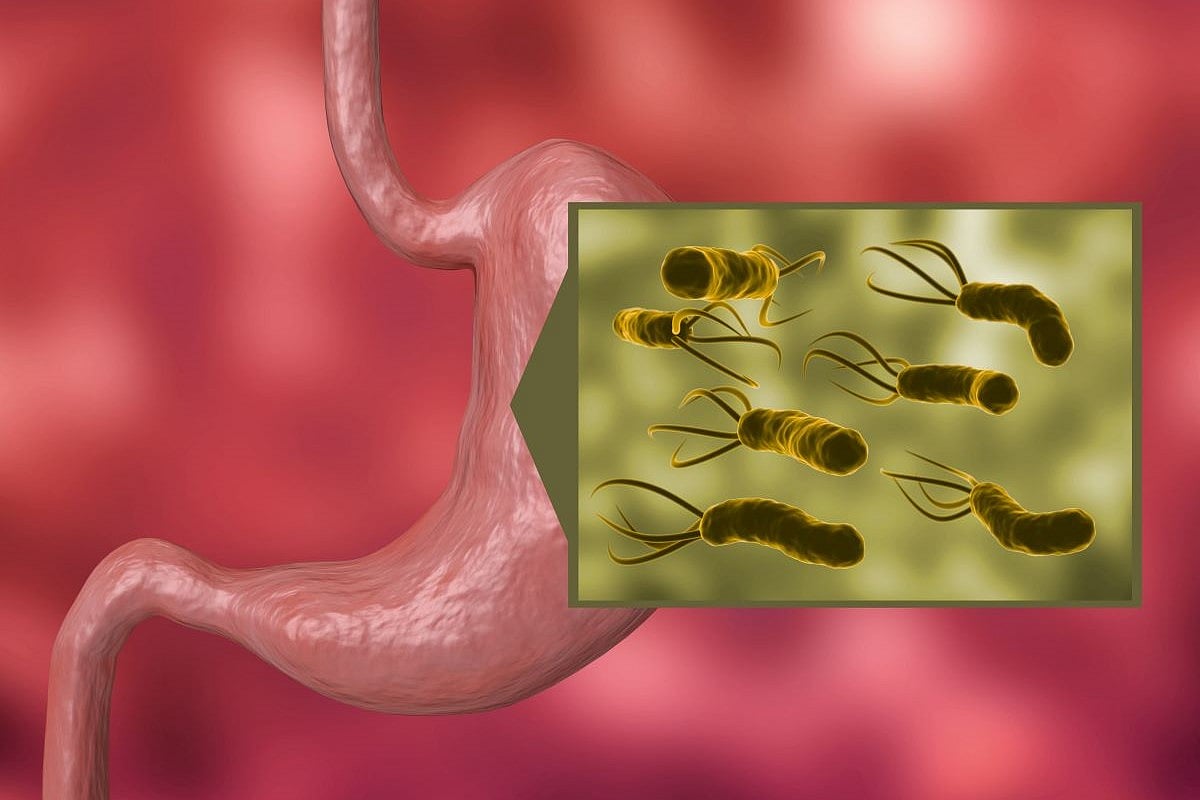 H. Pylori Exposure May Contribute to Global Burden of Colorectal Cancer
  Couples" Coping Skills Help Reduce Depression in GI Cancer Survivors
  Organized, Biennial FIT-Based Screening Linked to Lower Colorectal Cancer Mortality