


Risk for CRC, mortality increased with delayed receipt of colonoscopy compared with colonoscopy within one to three months
WEDNESDAY, Feb. 3, 2021 (HealthDay News) — Increased time to colonoscopy after an abnormal fecal occult blood test (FOBT) or fecal immunochemical test (FIT) is associated with an increased risk for colorectal cancer (CRC) incidence and mortality, according to a study published online Feb. 2 in Gastroenterology.
Yazmin San Miguel, M.P.H., from the Veterans Affairs San Diego Healthcare System, and colleagues performed a retrospective cohort study of veterans aged 50 to 75 years with an abnormal FOBT or FIT between 1999 and 2010 to examine the association between the time to colonoscopy and CRC outcomes. CRC-specific incidence and mortality hazard ratios were generated for three-month colonoscopy intervals with one to three months as the reference group.
Data were included for a cohort of 204,733 patients (mean age, 61 years). The researchers found an increased risk for CRC for patients who received a colonoscopy at 13 to 15 months, 16 to 18 months, 19 to 21 months, and 22 to 24 months compared with one to three months (hazard ratios [95 percent confidence intervals], 1.13 [1.00 to 1.27], 1.25 [1.10 to 1.43], 1.28 [1.11 to 1.48], and 1.26 [1.07 to 1.47], respectively). Mortality risk was higher among patients who received a colonoscopy at 19 to 21 months and 22 to 24 months compared with those who received a colonoscopy at one to three months (hazard ratios [95 percent confidence intervals], 1.52 [1.51 to 1.99] and 1.39 [1.03 to 1.88], respectively). At 16 months, the investigators observed an increase in the odds for late-stage CRC.
“Our findings emphasize the importance of colonoscopic follow-up and a need for attention to time to follow-up to avoid excess deaths from CRC during this time of limited access,” the authors write.
Abstract/Full Text (subscription or payment may be required)
 Surveillance Colonoscopy at Five Years After Adenoma Removal Noninferior to Three Years
  Family History of CRC Increases CRC Risk Similarly in IBD, General Population
 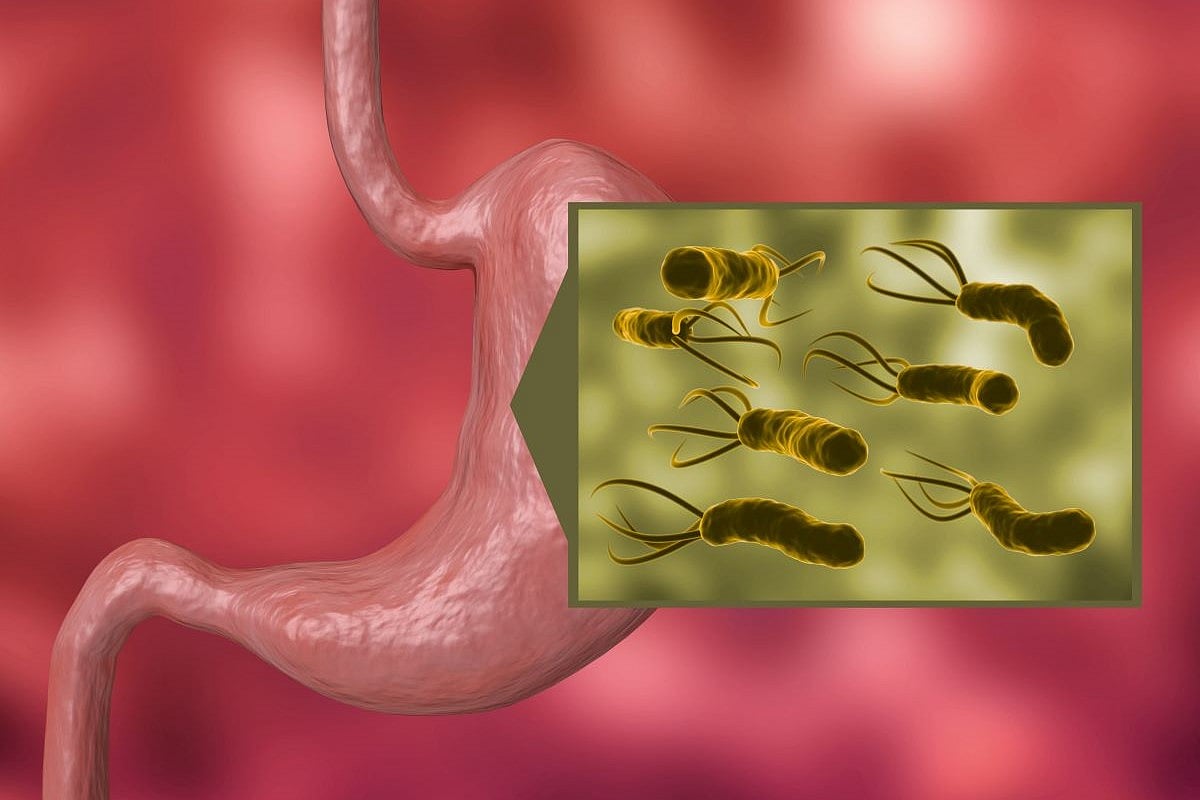 H. Pylori Exposure May Contribute to Global Burden of Colorectal Cancer
  Lower Breast, Cervical Cancer Screening Seen for Adults With Disabilities
  Dense Breast Notification Linked to Increase in Use of Supplemental Ultrasound
  Mammography Trials Yield Excess-Incidence Patterns Consistent With Low Overdiagnosis
  Alcohol-Attributable Cancer Mortality Has Increased Significantly in the U.S.
  2005 to 2023 Saw More U.S. Women Never Screened for Cervical Cancer




.jpeg)