


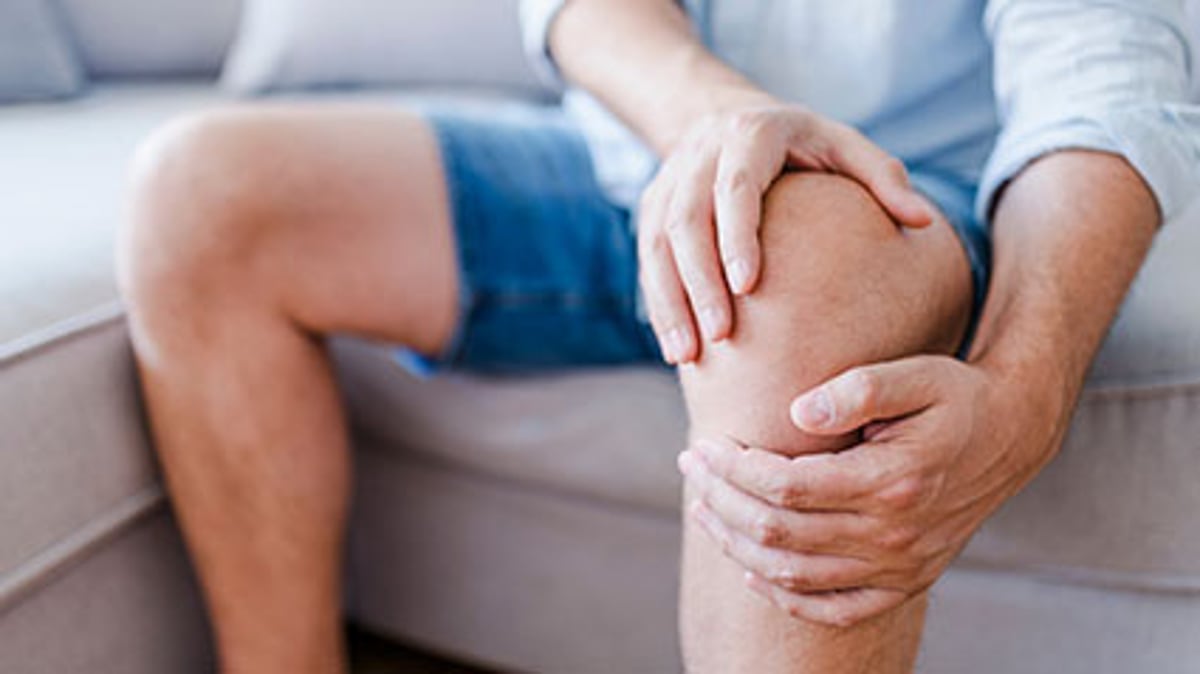
Decreased pain and improved function seen at six weeks versus self-management
MONDAY, March 15, 2021 (HealthDay News) — Digitally delivered exercise programs benefit pain and functional outcomes among patients with knee osteoarthritis compared with routine self-management, according to a study published online Feb. 23 in JAMA Network Open.
Sameer Akram Gohir, Ph.D., from the University of Nottingham in the United Kingdom, and colleagues randomly assigned individuals aged 45 years or older with a diagnosis of knee osteoarthritis to either a smartphone application-based treatment (48 patients) or routine self-management (57 patients). Outcomes were evaluated at six weeks.
The researchers found that at follow-up, the intervention group showed a greater numerical rating scale pain score reduction than the control group, as well as better improvements in the 30-second sit-to-stand test and Timed Up-and-Go test. Additionally, the intervention group showed better improvements in the Western Ontario and McMaster Universities Osteoarthritis Index subscales for pain, stiffness, and physical function. The magnitude of within-group changes in pain and function outcomes in the intervention group added up to medium to very strong effects. No adverse events were reported.
“These findings suggest that digitally delivered treatment information provided an important patient benefit and may decrease the burden of treatment for knee osteoarthritis on both patients and health care systems,” the authors write.
Two authors disclosed financial ties to the pharmaceutical industry.
 Implant, Patient Survival Do Not Differ for Robotic and Conventional Total Joint Replacement
  Physical Therapist-Supervised Exercise Improves Outcomes After ACL Reconstruction
  Disparities Identified in Home Health Care After Hip, Knee Replacement
  Evidence Insufficient to Support Routine Lumbar Support Use for Chronic Low Back Pain
  Mindfulness, Tai Chi May Benefit Cancer Survivors
  Review Reveals Limited Effects of Exercise on Hip Osteoarthritis
  Swimming Program May Provide Short-Term Relief From Chronic Low Back Pain
  Exercise Has Negligible, Short-Lasting Benefit on Pain, Function in OA



.jpg)
