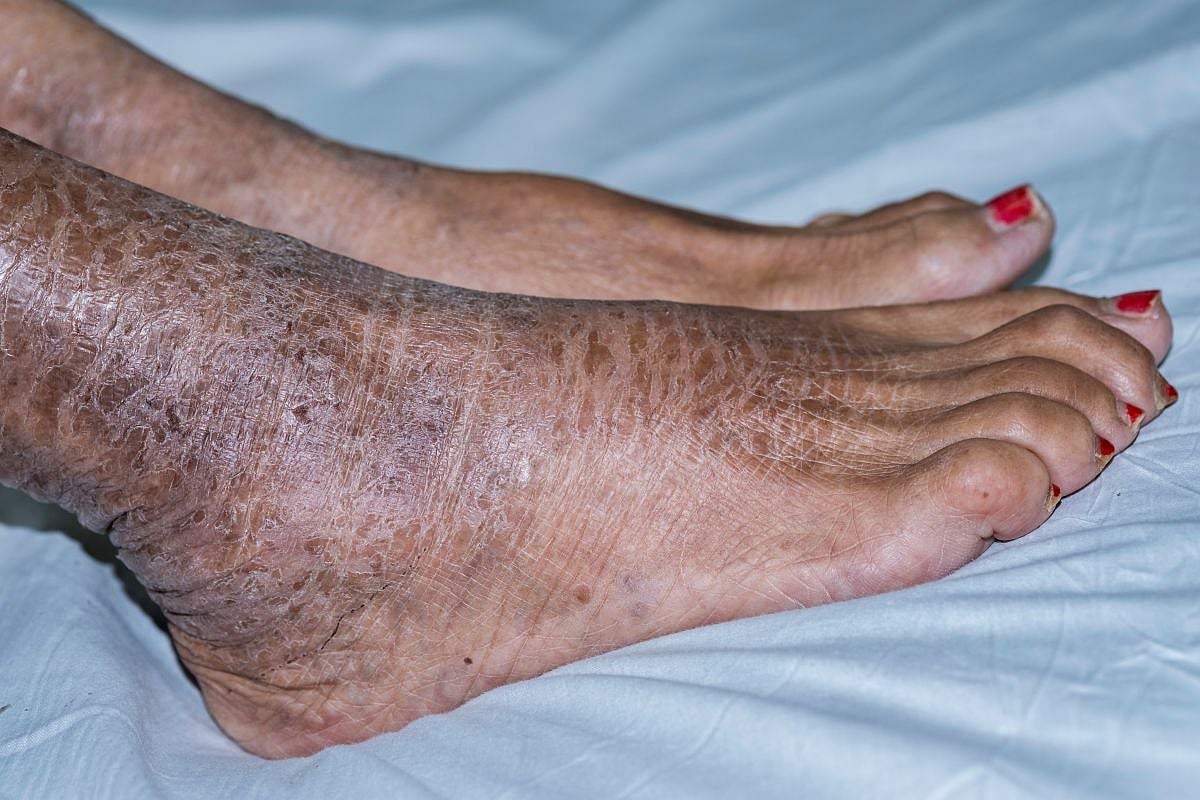
Prevalence similar for women and men, highest among Whites, not significantly different from 2003
TUESDAY, July 6, 2021 (HealthDay News) — The prevalence of psoriasis is 3.0 percent among the U.S. population aged 20 years or older, according to a study published online June 30 in JAMA Dermatology.
April W. Armstrong, M.D., M.P.H., from the University of Southern California Keck School of Medicine in Los Angeles, and colleagues conducted a population-based cross-sectional study involving 2011 to 2014 National Health and Nutrition Examination Survey data to examine the prevalence of psoriasis among adults in the United States.
The researchers found that among 12,625 respondents, the prevalence of psoriasis was 3.0 percent in U.S. adults aged 20 years and older. This outcome translates to an estimated 7.55 million U.S. adults with psoriasis based on the 2020 census data. The prevalence of psoriasis was similar for women and men (3.2 and 2.8 percent, respectively). Prevalence was highest among White individuals (3.6 percent), followed by other racial/ethnic groups (non-Hispanic), Asian individuals, Hispanic individuals, and Black individuals (3.1, 2.5, 1.9, and 1.5 percent, respectively). There was no difference in prevalence based on marital status, education, income, or medical insurance status. No significant difference was seen in the prevalence of psoriasis since 2003.
“These prevalence data are foundational to determining the burden of psoriasis and raising awareness of associated comorbidities,” the authors write. “In addition, these data may help inform future epidemiologic research, clinician and patient education, and health policies to improve the lives of patients with psoriasis.”
Several authors disclosed financial ties to the pharmaceutical and medical device industries.
Abstract/Full Text (subscription or payment may be required)
 Mortality, Comorbidity Risk Increased With Generalized Pustular Psoriasis
  Long-Term Risk for Incident Psoriasis Elevated With Irritable Bowel Syndrome
  Burden of Myocardial Dysfunction Elevated for Individuals With Psoriasis
  Study IDs Risk Factors for Ketoacidosis in Adults With T2D Receiving SGLT2 Inhibitors
  Initial Rx Length Tied to Long-Term Use of Z-Drugs
  Updated Recommendations Address Medications to Prevent Migraine in Adults
  Long-Term Medication Adherence Tied to Lower Cardiovascular Event Rate in Type 2 Diabetes