


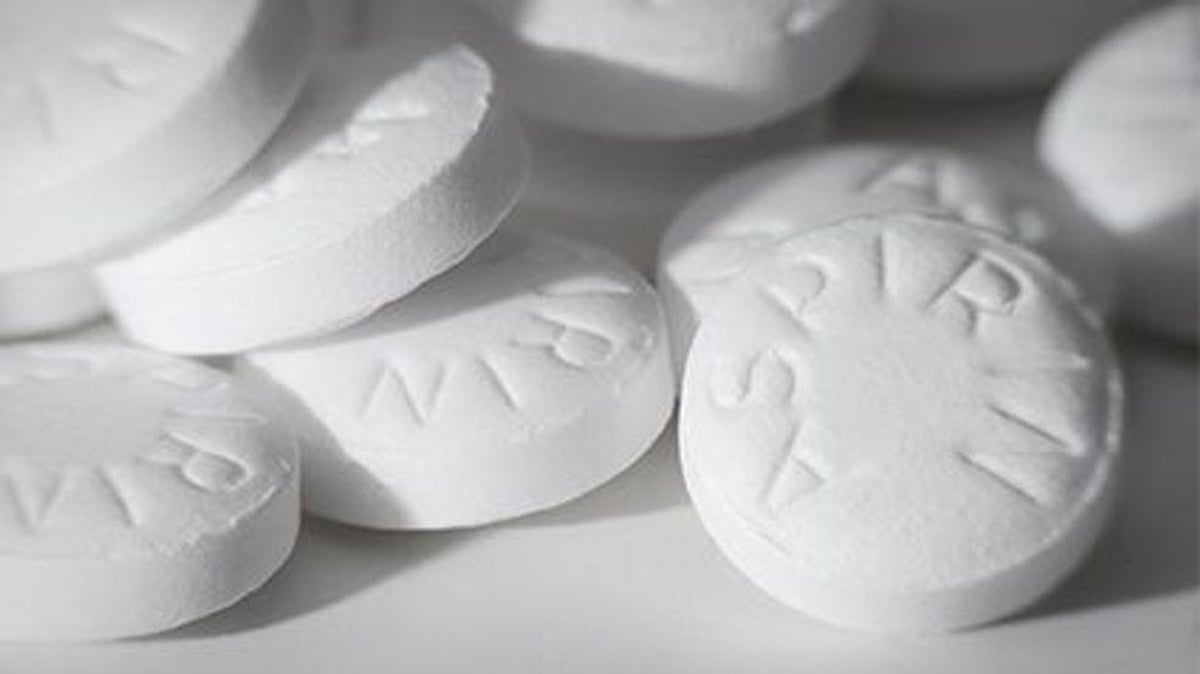
Largest benefits seen for patients older than 60 years with no increased risk for hemorrhagic complications
WEDNESDAY, March 30, 2022 (HealthDay News) — Early aspirin use is associated with lower odds of 28-day in-hospital mortality among U.S. adults hospitalized with moderate COVID-19, according to a study published online March 24 in JAMA Network Open.
Jonathan H. Chow, M.D., from George Washington University in Washington, D.C., and colleagues examined associations between early aspirin use in hospitalized patients with moderate COVID-19 and odds of 28-day in-hospital mortality. The analysis included 112,269 hospitalized patients with moderate COVID-19 (Jan. 1, 2020, through Sept. 10, 2021) treated at 64 U.S. health systems.
The researchers found that 28-day in-hospital mortality was significantly lower in those who received aspirin (10.2 versus 11.8 percent; odds ratio [OR], 0.85). The rate of pulmonary embolism was also significantly lower in patients who received aspirin (1.0 versus 1.4 percent; OR, 0.71). In patients receiving aspirin, the composite of hemorrhagic complications did not occur more often (3.7 percent aspirin versus 3.2 percent no aspirin; OR, 1.13). Patients older than 60 years (61 to 80 years: OR, 0.79; older than 80 years: OR, 0.79) and patients with comorbidities (one comorbidity: OR, 0.68; two comorbidities: OR, 0.80; three comorbidities: OR, 0.78; more than three comorbidities: OR, 0.74) showed the most benefit.
“These findings warrant further study in a randomized clinical trial that includes diverse patients with cardiovascular comorbidities,” the authors write.
Several authors disclosed financial ties to pharmaceutical and medical companies.
 ~16 Percent of COVID Cases Develop Postacute Sequelae of SARS-CoV-2
  Aspirin Does Not Reliably Prevent Colorectal Cancer
  IV Tenecteplase Not Recommended for Central Retinal Artery Occlusion
  Aspirin Linked to Lower CRC Recurrence for Molecularly Defined Subgroup
  Surveillance Colonoscopy at Five Years After Adenoma Removal Noninferior to Three Years
  Gene Mutation Identified That Increases Lung Cancer Risk
  Genetics, Diabetes Tied to MASLD-Associated Cirrhosis Before Age 50
  Family History of CRC Increases CRC Risk Similarly in IBD, General Population


.jpg)

