The annual meeting of the Infectious Diseases Society of America was held virtually this year from Sept. 29 to Oct. 3 and attracted participants from around the world, including scientists, physicians, and other health care professionals. The conference featured education courses and comprehensive educational programs that focused on the latest advances in the diagnosis, treatment, and prevention of infectious diseases. The meeting also provided insight into emerging infections, new diagnostics, vaccines, and therapeutic interventions.
In one study, Lauren Gentles, of the Fred Hutchinson Cancer Research Center in Seattle, and colleagues found that the presence of pseudoneutralization and anti-nucleocapsid antibodies varies among adolescents younger than 18 years of age infected with severe acute respiratory syndrome coronavirus 2 (SARS-CoV-2).
The authors enrolled adolescents younger than 18 years of age who were infected with SARS-CoV-2 and collected blood samples from them for up to 12 months. Pseudoneutralization and anti-nucleocapsid antibodies for each child were measured across multiple time points to determine both functional neutralization titers and nucleocapsid-binding antibody levels over time. The researchers found highly variable neutralization titers and nucleocapsid-binding antibody titers across individual children.
“Nucleocapsid-binding antibodies, however, waned rapidly, with many children having levels that fell below the limit of detection by six months,” Gentles said. “More work is needed to determine if the variation in antibody titers observed may be due to differences in disease severity or other causes.”
In another study, Joshua Hill, M.D., of the Fred Hutchinson Cancer Research Center in Seattle, and colleagues found that a three-day course of intravenous remdesivir significantly reduces the incidence of hospitalization within seven days of symptom onset in people with COVID-19 and risk factors for increased disease severity.
In this international, phase 3, randomized, placebo-controlled study, participants received study medication at several outpatient research or clinical facilities, including their homes or skilled nursing facilities. The researchers found that using remdesivir early in the course of infection with SARS-CoV-2 in high-risk individuals who are not hospitalized improved patient outcomes.
“If available, it would add to our therapeutic options, which are currently limited to monoclonal antibody infusions. There are no other outpatient therapies available,” Hill said. “If there are shortages of monoclonal antibody therapies (or lack of access, as is the case in many parts of the world), remdesivir could provide an alternative and/or additional treatment option. It is possible that new variants of concern may not be as effectively treated with currently available monoclonals, and remdesivir could play an even larger role in this context.”
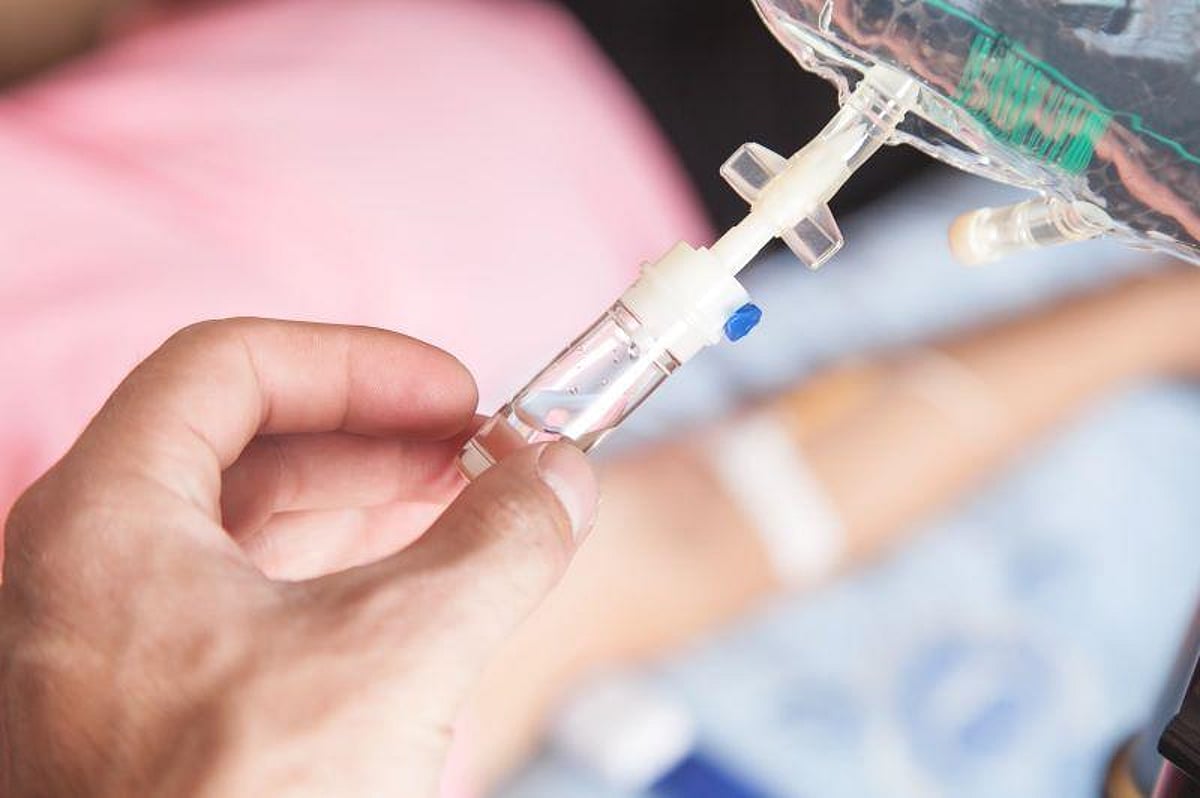 Few Staff Receive Formal Training on CLABSI Surveillance for Home Infusion
  7.7 Million Deaths Associated With 33 Bacterial Pathogens in 2019
 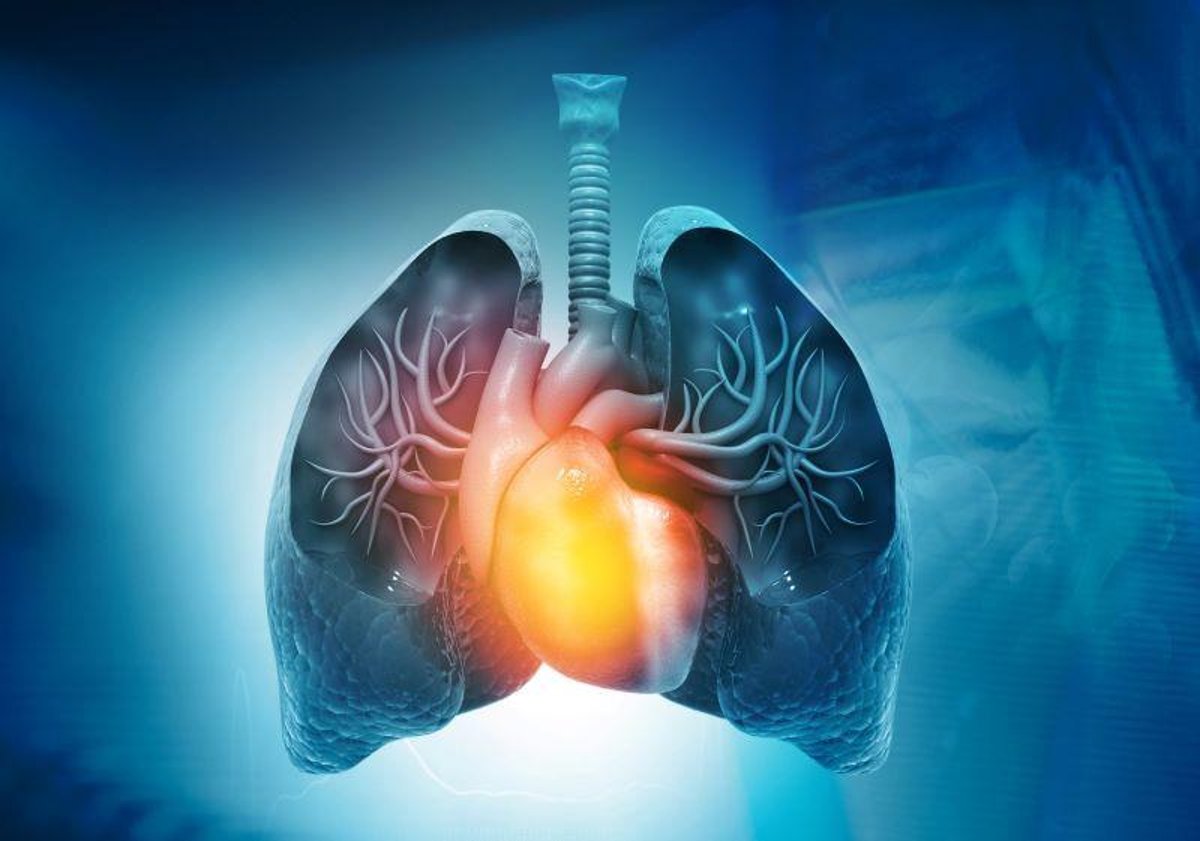 U.S. Deaths From Infective Endocarditis Increasing in the Young
 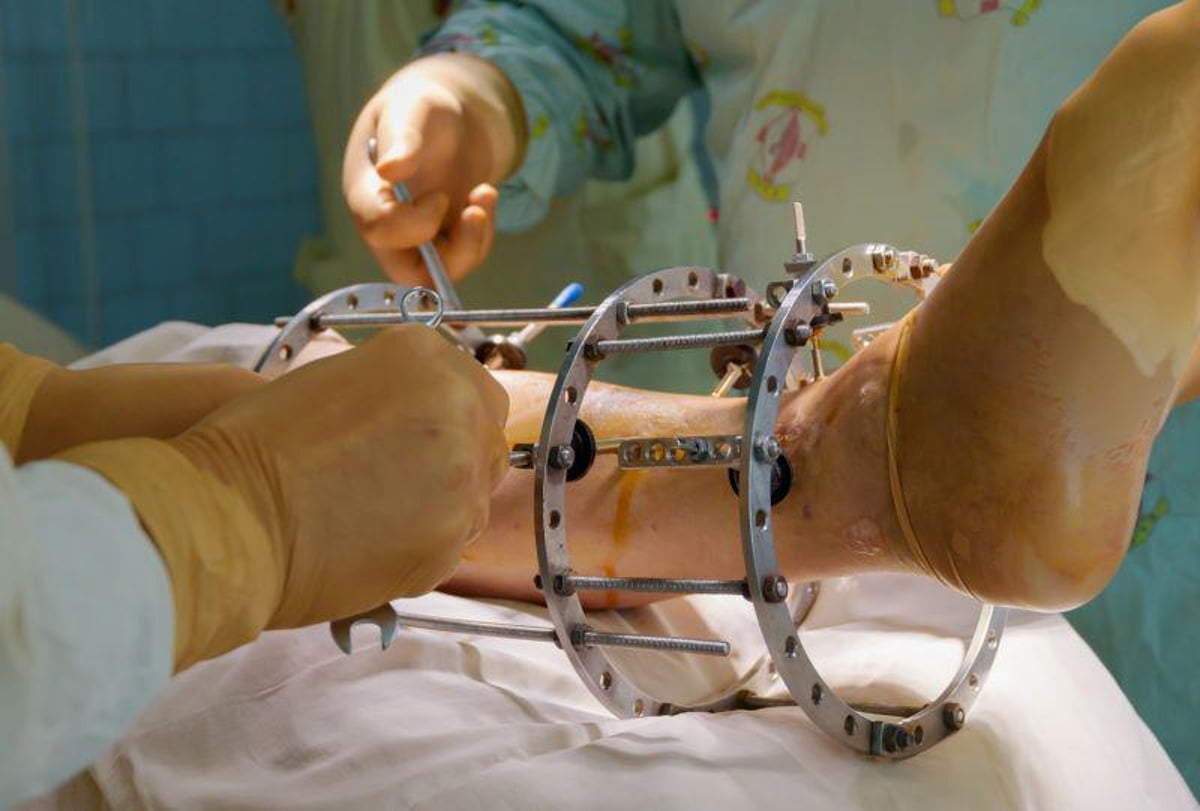 Antiseptics Work Equally Well in Preventing Infection After Surgery for Open Fractures
  Disparities Identified in Home Health Care After Hip, Knee Replacement
 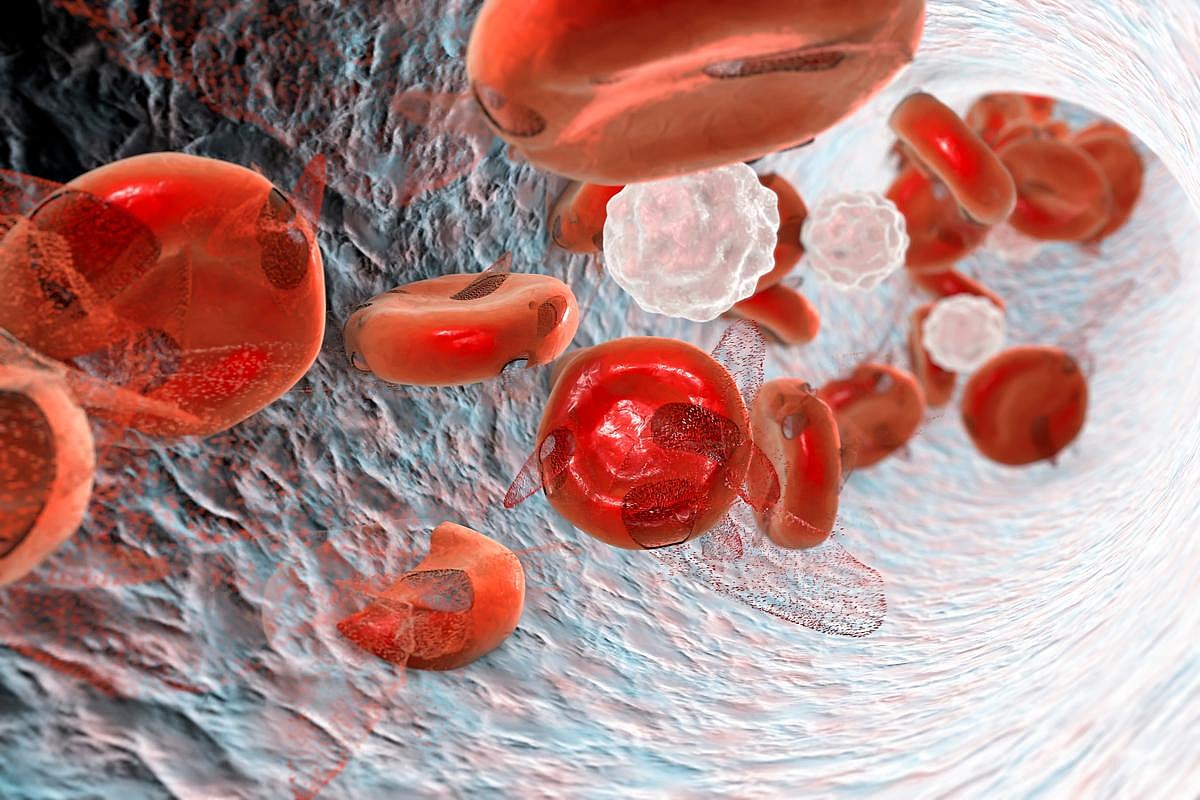 Preoperative IV Iron Beneficial for Patients With Anemia Undergoing Cardiac Surgery
  Adenotonsillectomy Tied to Increase in Respiratory Tract Infections in Children
  Robotic Arm-Assisted TKR Offers Similar Outcome to Conventional TKR