Findings remain after adjusting for established cardiovascular risk factors
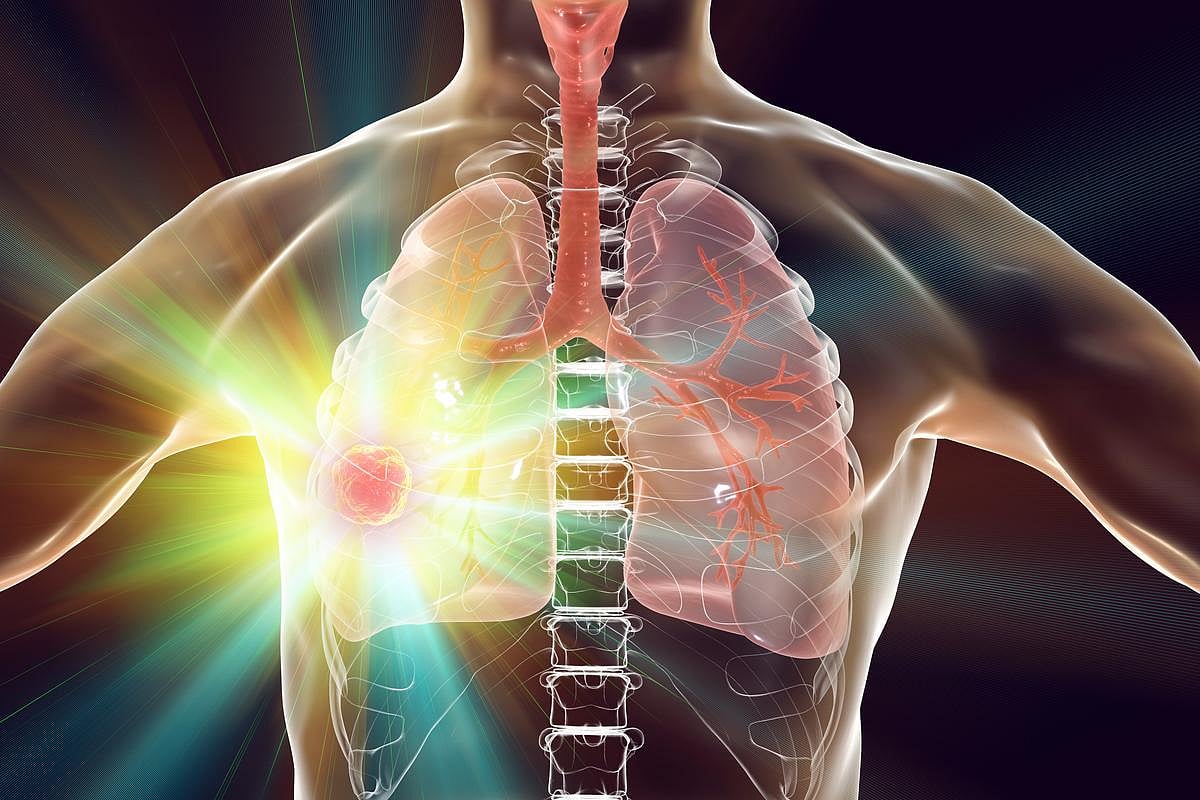
MONDAY, Nov. 3, 2025 (HealthDay News) — Avoiding exposure to light at night may lower the risk for cardiovascular diseases, according to a study published online Oct. 23 in JAMA Network Open.
Daniel P. Windred, Ph.D., from Flinders University in Adelaide, Australia, and colleagues assessed whether day and night light exposure is associated with the incidence of cardiovascular diseases. The analysis included cardiovascular disease records across 9.5 years (June 2013 to November 2022) from 88,905 U.K. Biobank participants older than 40 years who wore light sensors in a naturalistic setting.
The researchers found that compared with individuals with dark nights (0 to 50th percentiles), those with the brightest nights (91st to 100th percentiles) had significantly higher risks for developing coronary artery disease (adjusted hazard ratio [aHR], 1.32), myocardial infarction (aHR, 1.47), heart failure (aHR, 1.56), atrial fibrillation (aHR, 1.32), and stroke (aHR, 1.28). After adjusting for established cardiovascular risk factors, including physical activity, smoking, alcohol, diet, sleep duration, socioeconomic status, and polygenic risk, these associations remained robust. For women, larger-magnitude associations of night light were seen for risks for heart failure and coronary artery disease. Larger-magnitude associations of night light were seen for risks for heart failure and atrial fibrillation among younger individuals in this cohort.
“These findings suggest that, in addition to current preventive measures, avoiding light at night may be a useful strategy for reducing risks of cardiovascular diseases,” the authors write.
One author disclosed ties to the pharmaceutical industry and one has ties to other related industries.
 Addition of CAC to PREVENT-ASCVD Equations May Improve Predictive Utility in Certain Patients
  Central Adiposity Reclassifies Cardiovascular Risk Across BMI Spectrum
  High-Dose Omega-3 Linked to A-Fib Risk in Patients With High CVD Risk
  Physical Activity Reduces Stroke, Mortality, Regardless of A-Fib
  Stair Climbing Associated With Reduction in Cardiovascular, All-Cause Mortality
  Review Reveals Limited Effects of Exercise on Hip Osteoarthritis
  AHA: Consuming Up to 400 mg/Day of Caffeine Safe for Most Adults
  Odds of Stroke Lower Among Black Individuals Who Have Immigrated