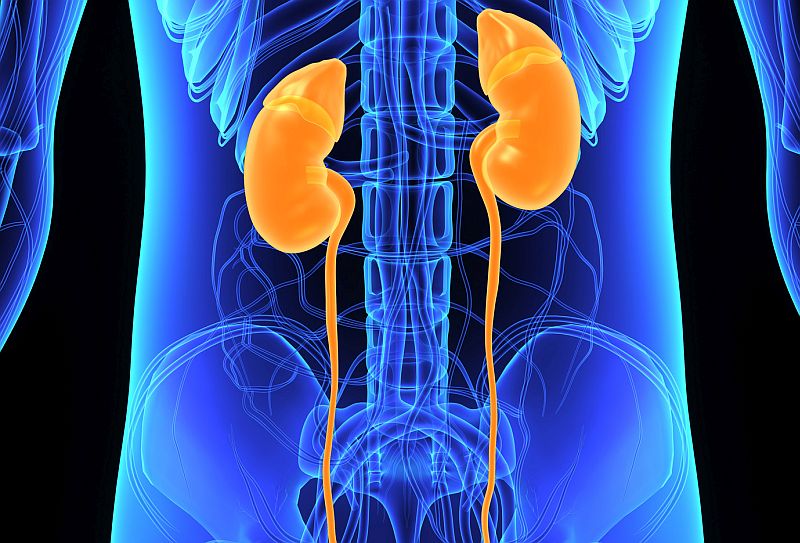
 Goals include disease prevention, switch to at-home dialysis, early transplants
WEDNESDAY, July 10, 2019 (HealthDay News) — Significant changes in how kidney disease is treated in the United States are outlined in an executive order that was signed Wednesday by President Donald Trump.
The objective is to switch from a system that emphasizes costly, time-consuming dialysis in large centers to at-home dialysis or transplants that can lengthen patients’ lives, the Associated Press reported. Another goal is to improve prevention of kidney disease.
There is a severe organ shortage, which could impede the push for more transplants. To tackle that problem, the administration wants to ease financial challenges for living donors. The executive order also includes measures to help groups that collect organs from deceased donors. Officials pointed to a study suggesting that in the long term, it may be possible to find 17,000 more kidneys and 11,000 other organs from deceased donors for transplant every year, the AP reported.
The moves could save lives and millions in Medicare spending, the AP reported.
.jpeg) 1997 to 2022 Saw Increase in Pediatric Hospitalizations With AKI
1997 to 2022 Saw Increase in Pediatric Hospitalizations With AKI  Early Complications Common in Older Kidney Transplant Recipients
  Frailty Linked to Incident Cognitive Decline in Men With CKD
  UACR, UPCR Provide Indistinguishable Prognostic Information in CKD
  Elevated C-Reactive Protein Linked to Increased Risk for Incident Heart Failure, All-Cause Mortality
  Incidence of Stroke Increasing Among Young Adults
 .jpg) Recommendations Updated for Management of Anemia in CKD
Recommendations Updated for Management of Anemia in CKD  Use of SAMA, SABA Linked to Cardiovascular Events, Mortality in Asthma, COPD