Significantly lower risks seen for those receiving GLP-1 receptor agonists compared with other antidiabetic drugs
TUESDAY, July 22, 2025 (HealthDay News) — For adults with type 2 diabetes and obesity, glucagon-like peptide 1 receptor agonists (GLP-1 RAs) are associated with a lower risk for dementia, stroke, and all-cause mortality compared with other antidiabetic drugs, according to a study published online July 15 in JAMA Network Open.
Huan-Tang Lin, M.D., Ph.D., from Chang Gung Memorial Hospital at Linkou in Taiwan, and colleagues examined the association of semaglutide and tirzepatide with the incidence of dementia, Parkinson disease, ischemic stroke, intracerebral hemorrhage, and all-cause mortality compared to other antidiabetic drugs in a retrospective cohort study analyzing electronic health record-based data for adults aged 40 years or older with type 2 diabetes and obesity.
The study included 60,860 adults with type 2 diabetes and obesity: 30,430 in the GLP-1 RA group and 30,430 in the other antidiabetic drug group (biguanides, sulfonylureas, dipeptidyl peptidase 4 inhibitors, sodium-glucose cotransporter 2 inhibitors, thiazolidinediones, and α-glucosidase inhibitors) after propensity score matching. The researchers found that GLP-1 RA users had a lower risk for dementia, ischemic stroke, and all-cause mortality during a seven-year follow-up (hazard ratios, 0.63, 0.81, and 0.70, respectively), while no significant differences were seen in the risks for Parkinson disease or intracerebral hemorrhage. Greater benefits were seen for those aged 60 years or older, women, and patients with a body mass index of 30 to 40 kg/m2.
“These findings highlight the possible role of GLP-1 RAs in mitigating neurodegenerative and cerebrovascular risks in this high-risk population,” the authors write.
 UACR, UPCR Provide Indistinguishable Prognostic Information in CKD
  Nearly 3 in 4 Older Adults Express Interest in Vaccine to Prevent Dementia
 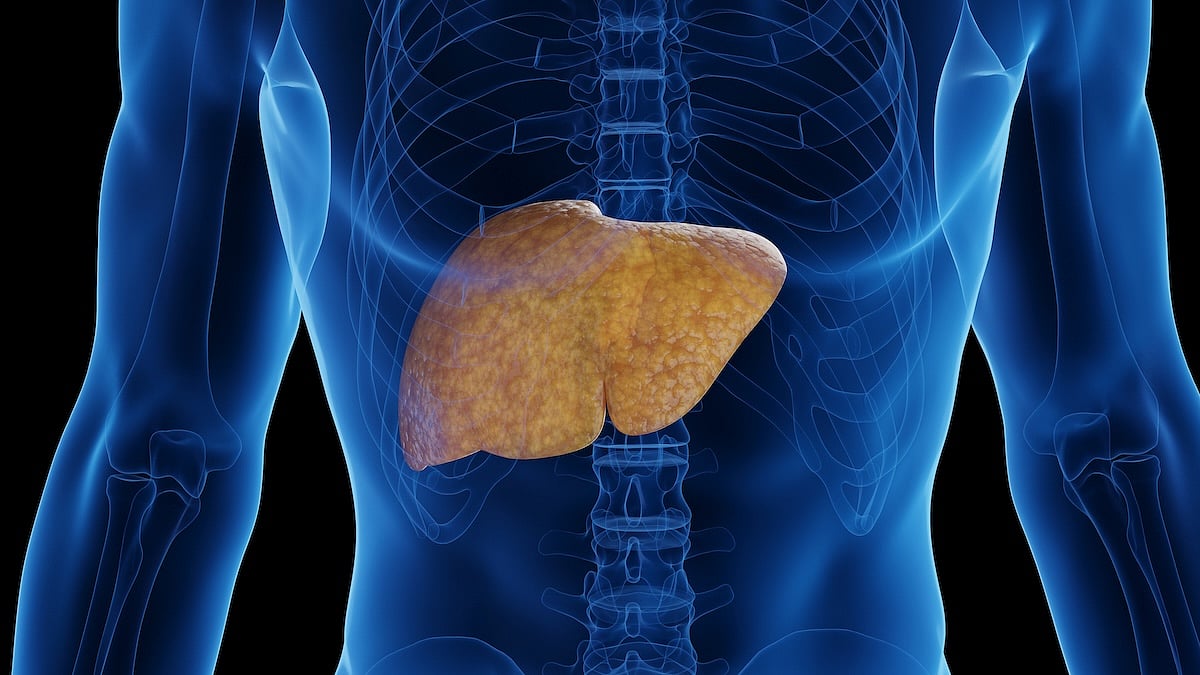 Genetics, Diabetes Tied to MASLD-Associated Cirrhosis Before Age 50
  Study IDs Risk Factors for Ketoacidosis in Adults With T2D Receiving SGLT2 Inhibitors
  Blinatumomab Improves Event-Free Survival in Children With High-Risk B-Cell ALL
  Anifrolumab Tied to Lower Hospitalization, Infection Risk in Lupus
  Therapies Compared for Newly Diagnosed Multiple Sclerosis
  Initial Rx Length Tied to Long-Term Use of Z-Drugs


.jpg)