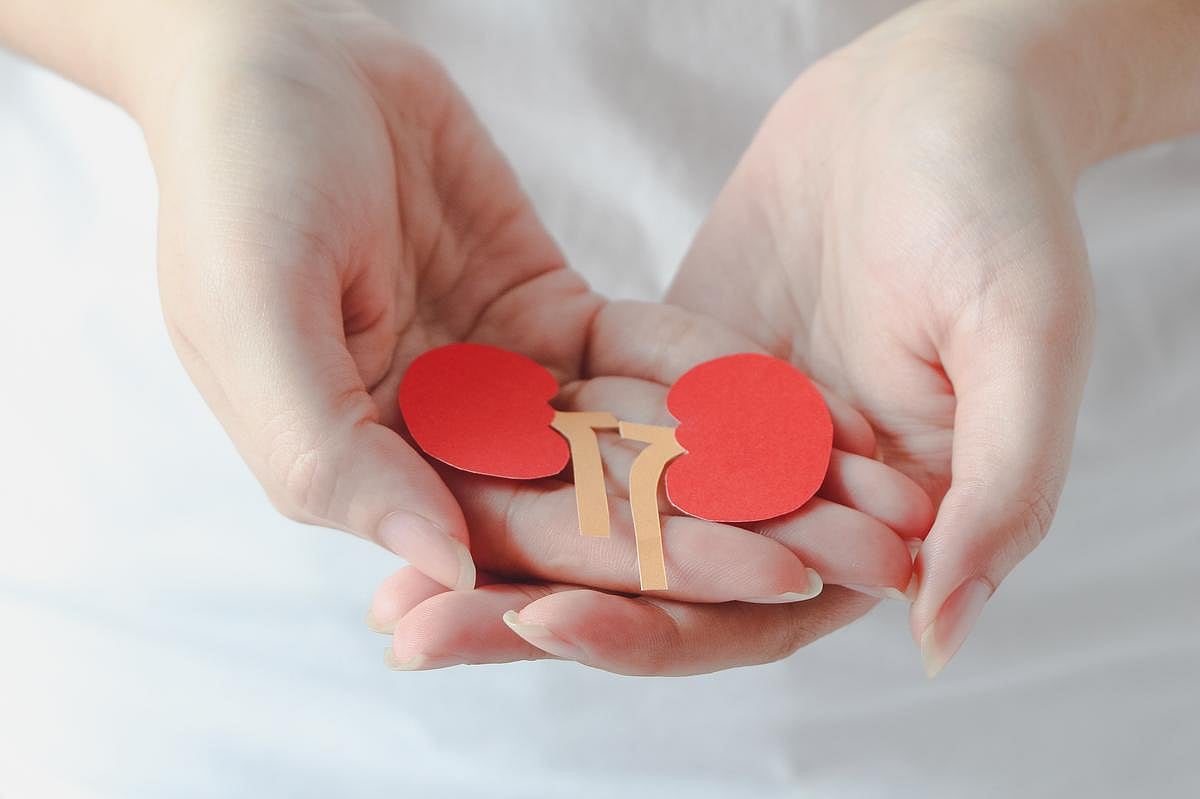
Due to smaller distances in the posterior superior iliac spine, men experience poorer rod alignment
MONDAY, Oct. 20, 2025 (HealthDay News) — Sex-based pelvic differences have an effect on spinal screw and rod placement during surgery for spinal deformity, according to a study published online Sept. 22 in Spine Deformity.
Ramone M. Brown, from the Icahn School of Medicine at Mount Sinai in New York City, and colleagues assessed the impact of sex and pelvic anatomy on the location of S2-alar-iliac screw placement and lumbosacral rod alignment in the coronal plane. The analysis included data from 185 cases.
The researchers found that women had significantly greater distance between the posterior superior iliac spine (PSIS) versus men, reflecting sex-based anatomical differences in pelvic structure. In men, average rod-to-rod angles were significantly more convergent distally than in women. There were no significant differences between freehand and stereotactic navigation techniques for rod-to-rod angles or screw distances. Both rod-to-rod angle (β = 3.3) and screw distances (β = 0.3) were strongly predicted by the PSIS distance. Only sex was a significant predictor for the PSIS distance and rod-to-rod angle.
“These findings underscore the importance of patient-specific planning, which — when combined with advanced navigation technologies and custom implants — can significantly improve alignment and outcomes in spinal deformity surgery,” senior author James D. Lin, M.D., also from Mount Sinai, said in a statement.
Abstract/Full Text (subscription or payment may be required)
 Lower Vertebral Bone Mineral Density Linked to Cognitive Decline
  Early Complications Common in Older Kidney Transplant Recipients
  Chronic Migraines More Common in Women With Enlarged Breast Tissue
  Myeloma Risk Modestly Increased in Adults With Incidentally Detected Vertebral Fracture
  Pharmacist-Led Med Review Improves Medication Quality in Older Patients With Cancer
  Multicomponent Interventions Offer Little Impact on Fall Risk
  Nearly 3 in 4 Older Adults Express Interest in Vaccine to Prevent Dementia
 .jpg) Mortality Lowest at Hemoglobin Concentrations Above WHO Thresholds
Mortality Lowest at Hemoglobin Concentrations Above WHO Thresholds 

.jpeg)