


 Authors say easy-to-understand algorithms, training for anesthesiologists could improve safety
FRIDAY, April 24, 2020 (HealthDay News) — Anesthesiologists on the front lines of treating surgical COVID-19 patients in Turkey are generally knowledgeable about airway management, according to the results of a national survey published online April 6 in Surgical Infections.
Burhan Dost, from Ondokuz Mayis University in Samsun, Turkey, and colleagues conducted an online survey of 346 anesthesiology specialists and residents in Turkey from March 13 to 25, 2020, to assess knowledge and attitudes toward COVID-19 patients.
The researchers found that the majority of the participants exhibited the correct attitudes toward airway management. Research assistants with little professional experience were more likely to be undecided or make incorrect decisions. The authors say that provision of theoretical and practical training can help ensure the safety of both patients and health care workers and recommend that anesthesiologists who perform emergency operations on COVID-19 patients outside the intensive care unit should follow easy-to-understand algorithms to ensure safety.
“This article underscores that surgeons and anesthesiologists must adopt new behavior patterns in the management of surgical and intensive care unit patients with ventilation support measures to avoid the transmission of infection to other patients and to the health care staff,” Donald E. Fry, M.D., editor-in-chief of Surgical Infections, said in a statement.
 Socioeconomic Status Linked to Mortality After Acute Hip Fracture Surgery
 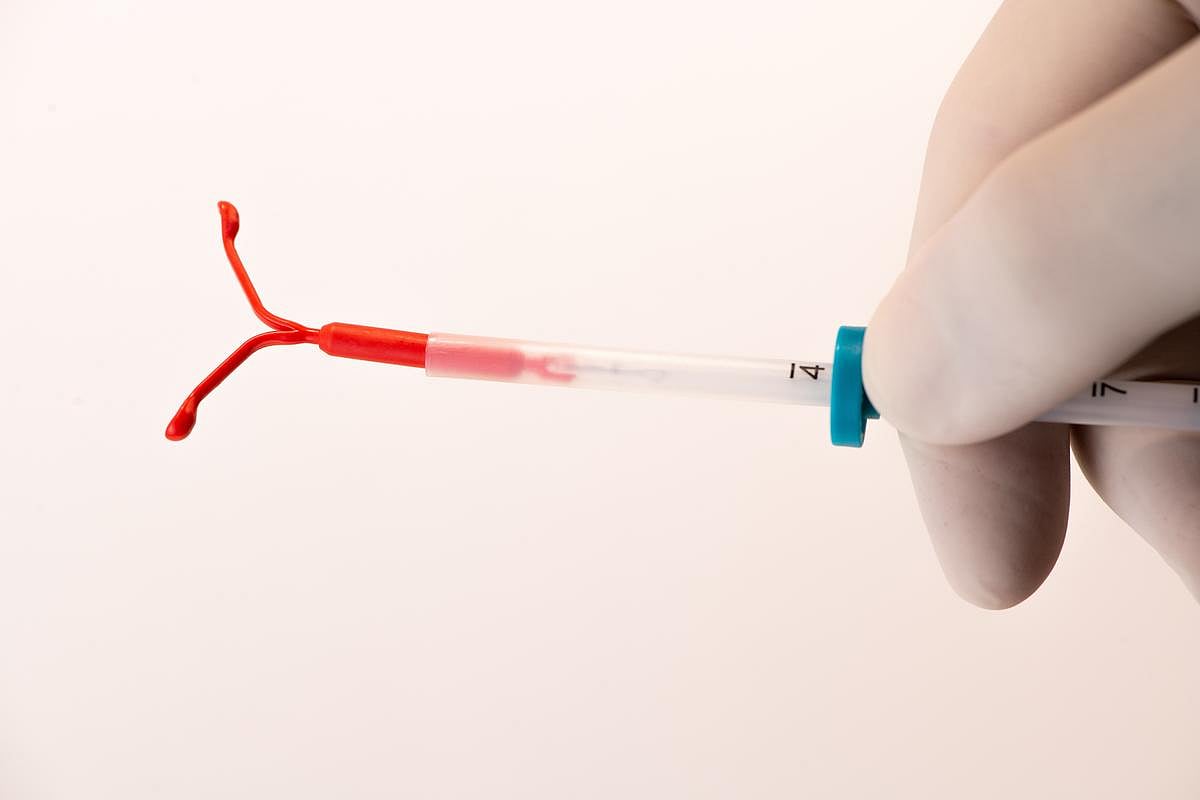 Intrauterine Instillation of Mepivacaine Reduces Pain of IUD Placement
  Napping Opportunity May Improve Clinical Performance of Anesthesia Residents
  People Using Illicitly Sourced Fentanyl Face Worse Outcomes Than Medically Sourced Users
  2016 to 2024 Saw Increase in Patients Using Medical Cannabis
  Study Looks at Patient Experiences With Sedative Contaminating Fentanyl
  Mindfulness, Tai Chi May Benefit Cancer Survivors
  Spinal Cord Stimulation Cuts Pain, Improves Sensation With Diabetic Nerve Damage

.jpeg)