Products containing synthetic dyes have 141 percent higher mean total sugar, lower levels of sodium, saturated fat
THURSDAY, July 3, 2025 (HealthDay News) — Synthetic dyes are present in 19 percent of U.S. food products and are more common in the top five categories marketed to children, according to a study published online June 24 in the Journal of the Academy of Nutrition and Dietetics.
Elizabeth K. Dunford, Ph.D., from the University of North Carolina at Chapel Hill, and colleagues examined the use of synthetic dyes in U.S. foods and beverages sold by the top 25 U.S. manufacturers in 2020. Differences in total sugar, sodium, and saturated fat content of products with and without synthetic dyes were examined in a cross-sectional study using ingredient data for 39,763 products.
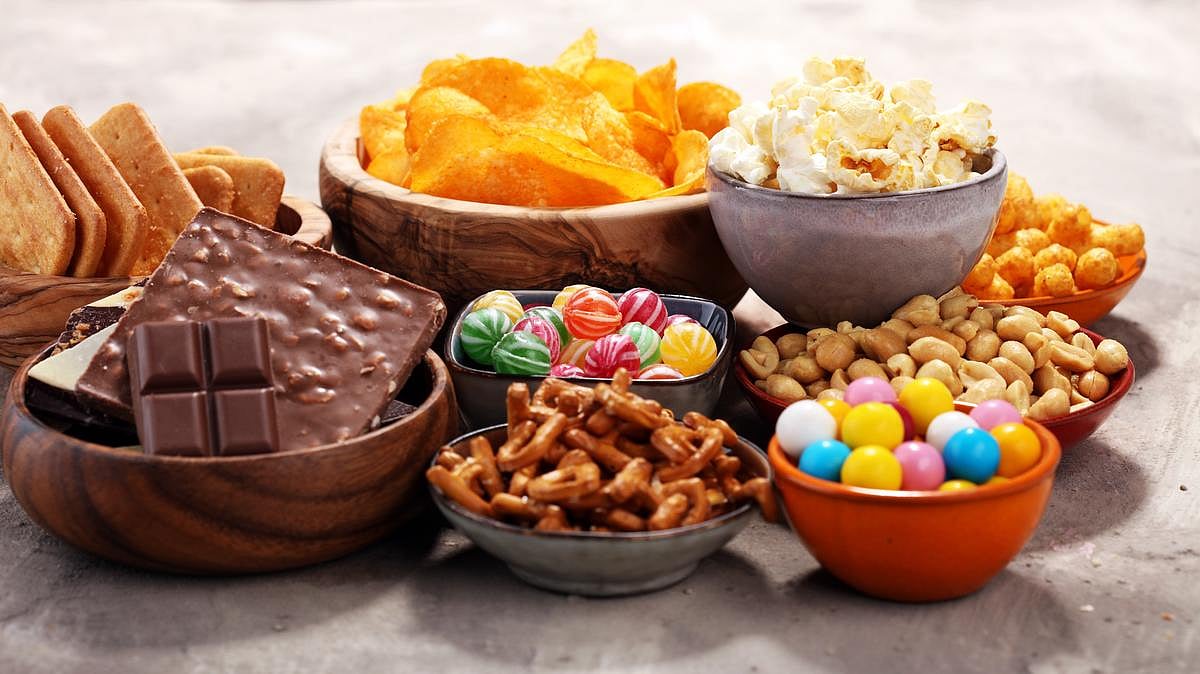
The researchers found that 19 percent of the products contained synthetic dyes, representing more than $46 billion in consumer purchases in 2020. Food, Drug, and Cosmetic Red No. 40 was the most common synthetic dye (14 percent of products). Per product, the number of synthetic dyes varied from zero to seven. Overall, 28 and 11 percent of products in the top five categories marketed to children and in the remaining categories contained synthetic dyes, respectively. Products containing synthetic dyes had 141 percent higher mean total sugar compared with products without synthetic dyes (33.3 versus 13.8 g per 100 g). Lower levels of sodium and saturated fat were seen in products containing synthetic dyes.
“Products containing synthetic dyes also had a much higher average total sugar content compared to products without synthetic dyes, suggesting that companies are using synthetic food dyes to market sweet foods and beverages,” Dunford said in a statement.
 Sugar-Sweetened Beverages May Increase Risk for Gastric Cancer
  Sugar Restriction in First 1,000 Days From Conception Linked to Lower Risk for Dementia
  Higher Coffee Consumption Linked to Favorable Indicators of Liver Health
  Sugar-Sweetened Beverage Intake Linked to Anxiety in Teens
  Higher Frequency or Quantity of Alcohol Intake Tied to Several Cancers
  Mental Health Conditions May Increase Risk for Liver Cancer in Veterans With Cirrhosis