Former drinkers had lower odds of nonadvanced adenoma compared with current drinkers averaging less than one drink/week
FRIDAY, Jan. 30, 2026 (HealthDay News) — Heavy alcohol intake and higher average lifetime alcohol drinking may increase colorectal cancer (CRC) risk, according to a study published online Jan. 26 in Cancer.
Caitlin P. O”Connell, M.P.H., from the National Institutes of Health in Rockville, Maryland, and colleagues estimated the association of lifetime alcohol drinking with incident colorectal adenoma and cancer among U.S. adults enrolled in the Prostate, Lung, Colorectal, and Ovarian Cancer Screening Trial. There were 12,327 participants with a negative baseline screen, of whom 812 had an adenoma on the second screen. Overall, 1,679 incident CRC cases occurred among 88,092 participants during 20 years of follow-up.
The researchers found that compared with one drink or less per week, current drinkers with an average lifetime alcohol intake of 14 or more drinks per week had a higher risk for CRC (hazard ratio, 1.25), especially rectal cancer (hazard ratio, 1.95). There was a positive association for consistent heavy drinking versus light drinking with CRC risk (hazard ratio, 1.91). Former drinkers had lower odds of nonadvanced adenoma compared with current drinkers averaging less than one drink per week (odds ratio, 0.58). Compared with less than one drink a week, current drinkers averaging from seven to less than 14 drinks had a lower risk for CRC (hazard ratio, 0.79), especially distal colon cancer (hazard ratio, 0.64).
“Our study is one of the first to explore how drinking alcohol over the life course relates to both colorectal adenoma and colorectal cancer risk. While the data on former drinkers were sparse, we were encouraged to see that their risk may return to that of the light drinkers,” co-senior author Erikka Loftfield, Ph.D., M.P.H., also from the National Institutes of Health, said in a statement.
 Surveillance Colonoscopy at Five Years After Adenoma Removal Noninferior to Three Years
  Family History of CRC Increases CRC Risk Similarly in IBD, General Population
 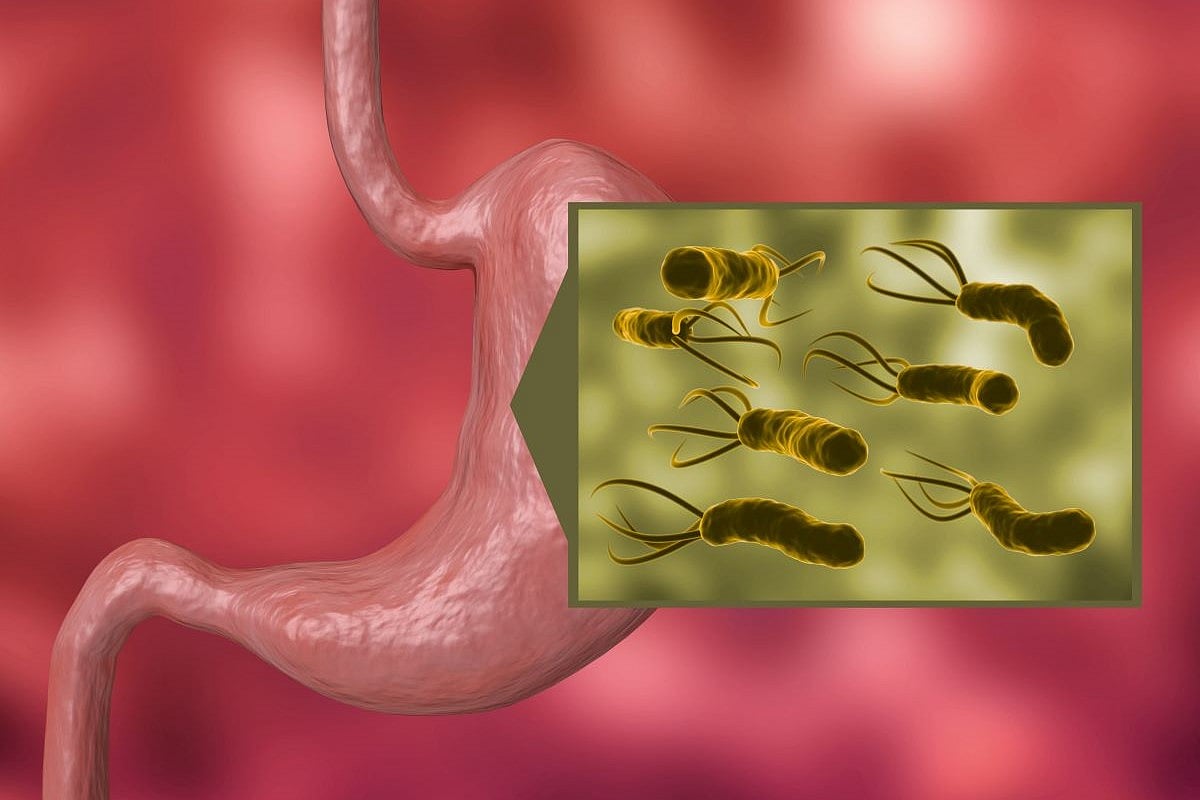 H. Pylori Exposure May Contribute to Global Burden of Colorectal Cancer
  Lower Breast, Cervical Cancer Screening Seen for Adults With Disabilities
  Dense Breast Notification Linked to Increase in Use of Supplemental Ultrasound
  Mammography Trials Yield Excess-Incidence Patterns Consistent With Low Overdiagnosis
  Alcohol-Attributable Cancer Mortality Has Increased Significantly in the U.S.
  2005 to 2023 Saw More U.S. Women Never Screened for Cervical Cancer